
Max Rohland
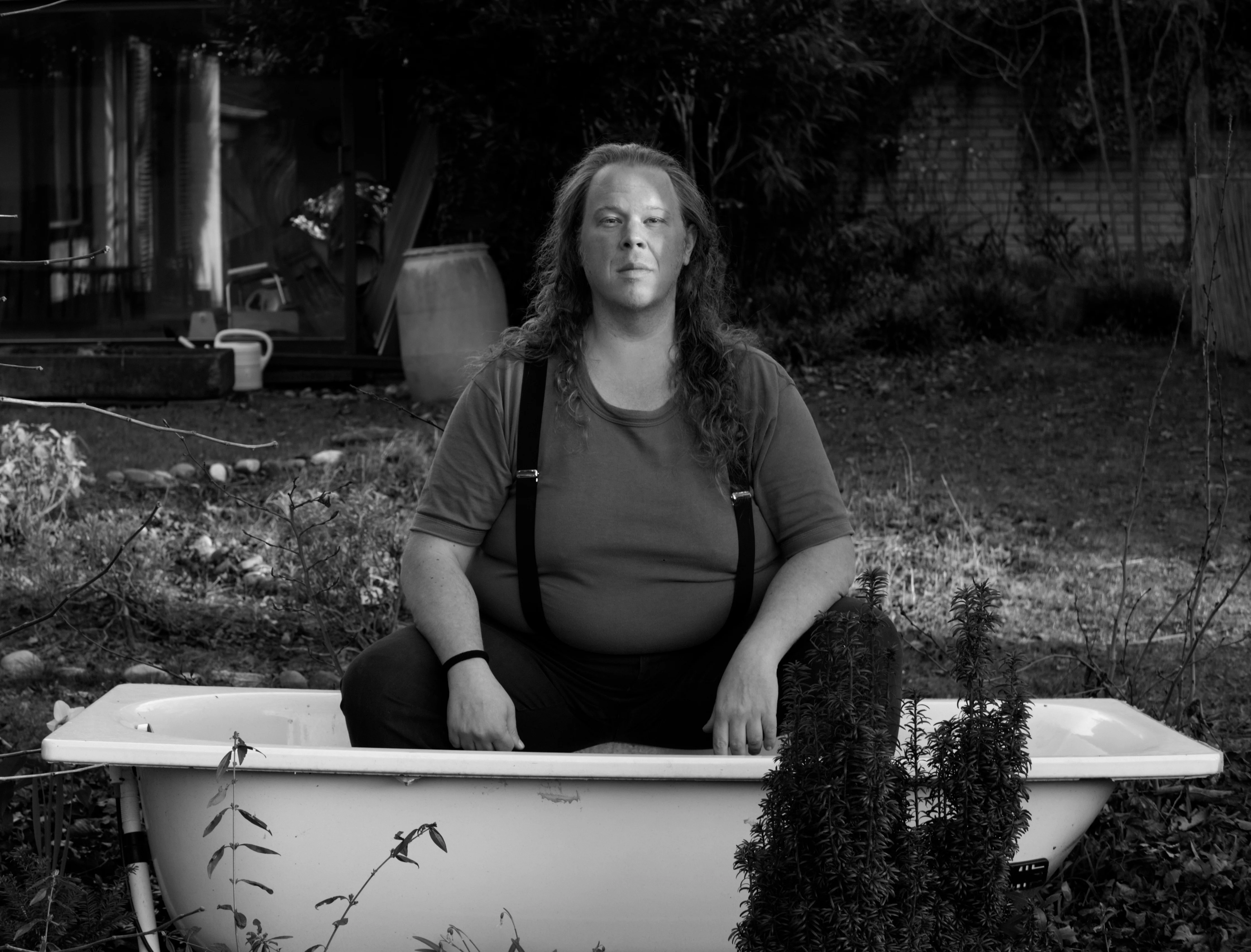
Image from Wikipedia
Image from Wikipedia
Max Rohland: Acting, Voice, and Artistic Presence Between Stage, Directing, and Cultural Work
A Multifaceted Artist from Würzburg with Strong Stage Presence
Max Rohland, born on September 6, 1983, in Würzburg, is one of those German-speaking stage artists whose work cannot be reduced to a single discipline. He is known as an actor and voice artist, but he is also distinguished by sociocultural projects and his own directorial work. His career combines classical actor training, ensemble work, independent cultural efforts, and a close connection to the regional theater scene.
It is precisely this versatility that makes him interesting: Rohland moves between acting, voice work, staging, and mediation. His career clearly reflects artistic development, institutional theater work, and a distinctive personal style. Those interested in contemporary acting careers will find in him an example of sustained work beyond fleeting headlines.
Biographical Roots and Early Artistic Orientation
Rohland's path into the performing arts began early and exhibited remarkable breadth. Before his professional training, he acted for many years in semi-professional theaters in the Munich area and was active in studio theaters and on theater festival circuits. In addition, he studied theater studies, art history, philosophy, and psychology at the Ludwig Maximilian University of Munich until 2006, a background that intellectually shapes his later artistic work.
This combination of practice and theory is central to his career. It indicates a deep understanding of dramaturgy, role work, and stage effectiveness that goes beyond mere representation. Even in this early phase, an artist emerges who does not just play roles but engages with them conceptually and culturally.
Training at the Mainz Acting School and Entry into the Profession
In 2006, Max Rohland began his training at the Mainz Acting School, which he completed in March 2009. During this time, he directed Sartre's "No Exit" in the association PENGLAND, thus gaining initial directorial experience with a demanding material. Another project, "Knopfraum" by Lars Robert Krautschick, is among the works where he positioned himself early behind the scenes.
After graduation, he worked as an actor, voice artist, model, director, walking act performer, acting coach, and theater educator in the Rhine-Main and Ruhr areas. This range speaks to his high mobility in the cultural field and an artistic everyday life not limited to a fixed type of role. Rohland embodies a modern understanding of theater professionalism, where performance, mediation, and ensemble work intertwine.
Ensemble Work and Key Stations in Municipal Theater
In 2010, Rohland became a permanent ensemble member at the Theater Aalen, which at the time was considered the smallest municipal theater in Germany. Under the artistic direction of Katharina Kreuzhage, he performed roles such as Hamlet, Othello, and Mephisto, characters that demand high psychological and linguistic caliber. These roles mark an early artistic focus on complex, drastic, and classical characters.
In 2013, he followed Kreuzhage and large parts of the ensemble to the Theater Paderborn, where he was engaged until 2017. There, he developed his presence in an environment known for ambitious repertoire and audience-friendly theater work. Even later, he remained connected to the venue as a guest, indicating a lasting artistic relationship and a reliable anchoring in the local cultural landscape.
Role Work, Perception, and Critical Response
The press has repeatedly responded attentively to Rohland's role interpretations. For his portrayal in "The Wild Child," he received the Star of the Year award, an accolade that underscores his acting impact. A review highlighted that he approached the character with great wildness, untamed nature, and yet palpable vulnerability. Such attributes reveal a performer unafraid of emotional extremes, working with intensity on stage.
Other reviews have emphasized his physical and vocal presence. A report described him in a production with impressive depth, suggesting that he makes internal processes tangible without unnecessary gestures. It is often in this reduction that the strength of great acting lies: not in loud assertions, but in the precise distillation of a character.
The Voice as an Instrument: Voice Work and Readings
As a voice artist, Rohland expands his artistic practice beyond the stage. His work in the areas of reading and voice indicates a special sensitivity to rhythm, tone, and linguistic modeling. In cultural journalistic contexts, he has been described as a voice artist, highlighting his ability to not just read texts but to animate them with atmospheric tension.
During the Corona period, he participated in digital poetry readings, connecting artistic presence with contemporary cultural mediation. Such projects demonstrate how he responds to changed production conditions and utilizes public spaces for art beyond classic stage formats. This strengthens his profile as a flexible, mediating, and audience-friendly artist.
Sociocultural Projects, Regional Roots, and Directorial Work
Max Rohland is not only a performer but also an initiator and co-designer of cultural processes. He has been involved in sociocultural projects and works in various formats that connect theater, urban society, and cultural education. This attitude gives his career a societal dimension that extends beyond mere role interpretation.
His own directorial work further underscores his artistic autonomy. Examples include productions at his former acting school, such as "No Exit" and "Knopfraum." Observing this work reveals an artist who thinks structurally about material, leads ensembles, and actively shapes theatrical processes.
Repertoire, Playing Style, and Artistic Profile
Rohland's repertoire shows a clear affinity for characters with psychological tension and physical presence. Whether classic roles like Hamlet or Othello, narrative figures, or contemporary theater works: his work aims for intensity, precision, and credible presence. The relationship between body, language, and emotion seems to be a core aspect of his artistic development.
His stations in Oberhausen, Mainz, Aalen, Paderborn, Frankfurt, and other cities paint a picture of continuous movement. This geographical breadth suggests an actor who has proven himself in various theater cultures. An important part of his authority lies precisely in this: it emanates from practice, recognizability, and the ability to fit into different ensembles without losing his personal profile.
Cultural Significance and Perspective on the Present
Max Rohland represents a form of acting profession that combines craftsmanship, attitude, and cultural responsibility. His career illustrates that artistic quality does not solely depend on media visibility, but on the consistency of work, critical response, and credibility on stage. In a theater landscape increasingly navigating between municipal theater, free scene, and mediation work, his profile appears particularly contemporary.
To the audience, he remains primarily interesting as a precise, present, and versatile performer. His mix of joy in performance, physicality, voice work, and directorial experience makes him an artist with a unique tone. Those who experience him live encounter not a polished stage image, but a concentrated, lively, and intellectually alert theatrical personality.
Conclusion: An Artist with Substance, Presence, and Profile
Max Rohland combines solid training, ensemble experience, critical recognition, and cultural engagement into a coherent overall picture. His career demonstrates how multifaceted acting can be today when based on craftsmanship, reflection, and presence. It is precisely this blend that makes him exciting for theater enthusiasts and cultural audiences alike.
Those who appreciate contemporary theater in its vibrant, direct form should experience Max Rohland on stage. His work unfolds its full effect in the moment of live encounter, where voice, body, and character merge into an unmistakable stage presence.
Official Channels of Max Rohland:
- Instagram: no official profile found
- Facebook: no official profile found
- YouTube: no official profile found
- Spotify: no official profile found
- TikTok: no official profile found
Sources:
- Wikipedia – Max Rohland
- Theater Paderborn – Team / Max Rohland
- Festival Musica S. Paderborn – Max Rohland
- Neue Westfälische – Star of the Year: Award Winner Max Rohland
- Neue Westfälische – “An Emotional Change Will Follow”
- Crew United – Max Rohland
- ZAV-Künstlervermittlung – Sedcard Max Rohland
- Wikipedia: Image and text source