
Sascha Lange
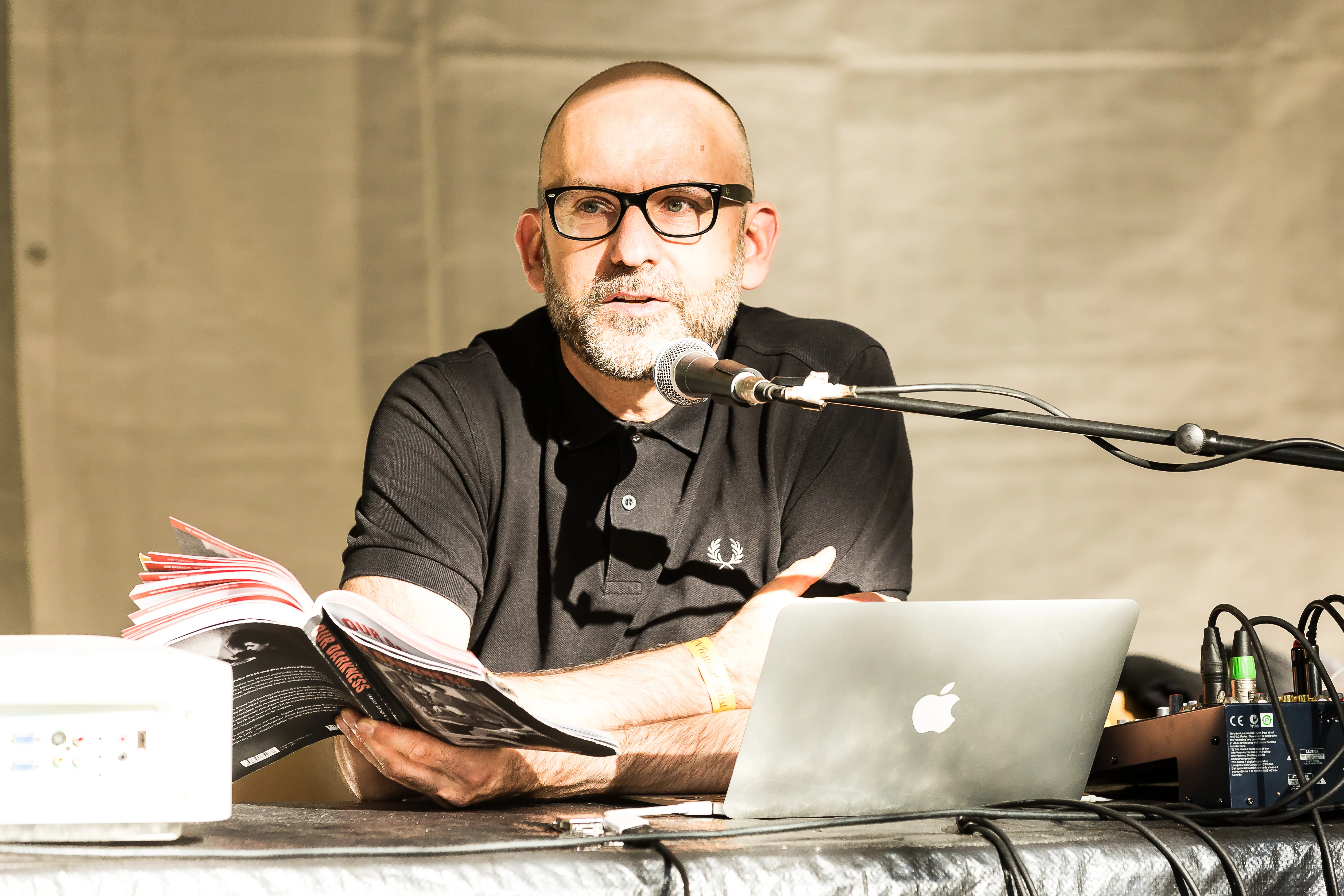
Image from Wikipedia
Image from Wikipedia
Sascha Lange: The Chronicler of Depeche Mode Culture Between History, Pop, and Passion
An author, historian, and musician with a keen sense for pop history
Alexander "Sascha" Lange, born on December 13, 1971, in Leipzig, is one of the most prominent German voices when it comes to music history, fan culture, and the cultural depth of pop. The author, historian, and musician combines academic precision with narrative energy, having particularly made a name for himself with his work on Depeche Mode. His biography is closely linked to Leipzig, East German youth culture, and the question of how music shapes biographies. ([de.wikipedia.org](https://de.wikipedia.org/wiki/Sascha_Lange?utm_source=openai))
Biographical Roots: Leipzig, Youth Culture, and Historical Perspective
Sascha Lange studied Modern and Contemporary History, Journalism, and Political Science at the University of Leipzig from 1996 to 2004. In 2005, he began his doctoral studies with a scholarship from the Hans Böckler Foundation, which he completed in 2009 with a thesis on youth between nonconformity and resistance in Leipzig during the Nazi era. This academic background explains why his writings never seem merely anecdotal; they always consider historical contexts, social milieus, and cultural movements. ([de.wikipedia.org](https://de.wikipedia.org/wiki/Sascha_Lange?utm_source=openai))
It is precisely from this connection between research and pop observation that the unique perspective of his writing emerges. Lange views music not as mere decoration but as a cultural force that shapes identity, community, and memory. His simultaneous role as a musician sharpens this perspective further: he writes not just about scenes but from a position that takes stage reality, sound culture, and fan culture seriously. ([de.wikipedia.org](https://de.wikipedia.org/wiki/Sascha_Lange?utm_source=openai))
The Breakthrough as a Depeche Mode Expert and Music Author
Sascha Lange owes his international reputation primarily to the books about Depeche Mode that he published together with Dennis Burmeister. With Depeche Mode: Monument, they presented a visually powerful, comprehensive showcase of the band's work, which was regarded in the music press as a milestone and released in several languages. Subsequent publications like Behind The Wall – Depeche Mode Fan Culture in the GDR and Depeche Mode LIVE deepened this profile and established Lange as one of the most important chroniclers of the band's history. ([buch-ka.de](https://www.buch-ka.de/Depeche-Mode-Monument/9783351051174?utm_source=openai))
The unique strength of these works lies in the combination of discography, imagery, eyewitness accounts, and cultural-historical context. The books chronologically trace the musical development of the band, linking studio and live histories with the reception by fans and media, while also opening up perspectives on the political and social resonance in East and West. It is precisely this form that makes Sascha Lange's work so valuable for music lovers: it explains not only what happened but also why it could have a cultural impact. ([spiegel.de](https://www.spiegel.de/kultur/musik/depeche-mode-ausstellung-und-tournee-a-904177.html?utm_source=openai))
Musical Development as a Narrative Space: From Scene to Cultural Authority
In interviews and event announcements, Lange is regularly described as a musician, historian, and author. This is more than a label, as his career combines scene knowledge with archival work and live-communicated pop history. Especially in the case of Depeche Mode, this authority is clearly evident: the band is not only portrayed as a synthpop phenomenon but also as a cultural narrative about style, intensity, darkness, elegance, and fan connection. ([rollingstone.de](https://www.rollingstone.de/burmeister-und-lange-im-interview-fans-von-depeche-mode-sind-gnadenlos-2690945/?utm_source=openai))
The journalistic value also lies in Lange treating stage presence and concert history as an independent core of pop biography. Depeche Mode LIVE is described as a chronicle of tours and shows since 1980, drawing on previously unpublished material and interviews with companions. This centers the live experience as an aesthetic and emotional space—an approach that is not a given in music journalism. ([alter-gasometer.de](https://www.alter-gasometer.de/veranstaltung/lesetour-sascha-lange-depeche-mode-live/?utm_source=openai))
Discography and Publishing Achievement: Books as Cultural Tools
Sascha Lange's publishing discography shows a clear thematic line. In addition to the Depeche Mode titles, DJ Westradio is also noted as an autobiographical perspective on East German youth and everyday music. These works illustrate that Lange narrates pop not in isolation, but as a story of experiences: over records, radio programs, youth culture, subcultural codes, and the social energy of music. ([de.wikipedia.org](https://de.wikipedia.org/wiki/Sascha_Lange?utm_source=openai))
The reception of his books is also evidenced by recurring mentions of bestseller status, international distribution, and strong resonance in the fan community. Monument is regarded as the "Depeche Mode Bible," while Behind The Wall is described as a unique look at the East German fan movement. The newer reading tours in 2025 and 2026 demonstrate that this trilogy works not only in bookstores but also as a vibrant cultural format. ([depechemode.de](https://www.depechemode.de/sascha-lange-setzt-depeche-mode-lesereise-2026-fort-97182/?utm_source=openai))
Critical Reception: Recognition from Music Press and Scene
Music media and cultural portals honor Sascha Lange primarily as a precise, knowledgeable, and passionate analyst of Depeche Mode. Rolling Stone names him along with Dennis Burmeister as one of the world's most recognized biographers of the band. Other media also emphasize the density of the material, the quality of the images, and the unusual connection between history and fan culture. ([rollingstone.de](https://www.rollingstone.de/burmeister-und-lange-im-interview-fans-von-depeche-mode-sind-gnadenlos-2690945/?utm_source=openai))
Particularly notable is the respect that the scene itself shows for his approach. Reports of readings and presentations reveal that Lange writes not only for a specialized audience but also for a community that recognizes its own history. His works thus act like cultural-historical bridges: between archive and emotion, between analysis and identification, between official band history and lived memory. ([reflectionsofdarkness.com](https://www.reflectionsofdarkness.com/artists-p-t/23860-live-review-sascha-lange-berlin-2025?utm_source=openai))
Cultural Influence: Pop History as Collective Memory
Sascha Lange has left a clear cultural footprint because he narrates the pop history of Depeche Mode not as a mere chronicle but as collective memory. His books make visible how strongly music shapes social spaces—in the GDR as well as in the global fan world. This makes his work a contribution to pop as a culture of memory, about subjectivity in historical context, and about the power of songs, images, and live moments. ([de.wikipedia.org](https://de.wikipedia.org/wiki/Sascha_Lange?utm_source=openai))
It is precisely in the interplay of historian, author, and musician that his authority lies. He knows the language of archives, the logic of scenes, and the emotional economy of fan culture. This triple perspective makes him a rare case in German music journalism: scientifically sound, culturally critical, and simultaneously close to the people who understand music as a way of life. ([buch-ka.de](https://www.buch-ka.de/Depeche-Mode-Monument/9783351051174?utm_source=openai))
In conclusion: Sascha Lange is compelling because he does not manage pop history but narrates, condenses, and makes it experiential. His works show how closely music remains connected to identity, memory, and social change. For those interested in Depeche Mode, East German youth culture, and the power of musical narratives, they will encounter an author who works with a clear vision and genuine passion. A reading with Sascha Lange therefore means not just information but cultural closeness—and a strong plea to experience music history live. ([rollingstone.de](https://www.rollingstone.de/burmeister-und-lange-im-interview-fans-von-depeche-mode-sind-gnadenlos-2690945/?utm_source=openai))
Official Channels of Sascha Lange:
- Instagram: No official profile found
- Facebook: No official profile found
- YouTube: No official profile found
- Spotify: No official profile found
- TikTok: No official profile found
Sources:
- Wikipedia – Sascha Lange
- saschalange.com – Official Website
- Rolling Stone – Interview with Burmeister and Lange
- depechemode.de – Sascha Lange Continues Depeche Mode Reading Tour 2026
- 80s80s – Sascha Lange: The Depeche Mode Trilogy
- Musikexpress – Depeche Mode LIVE Reading Tour
- Bookstore Schneider-Jung – Depeche Mode: Monument
- Wikipedia: Image and Text Source