
Ingmar Bergman
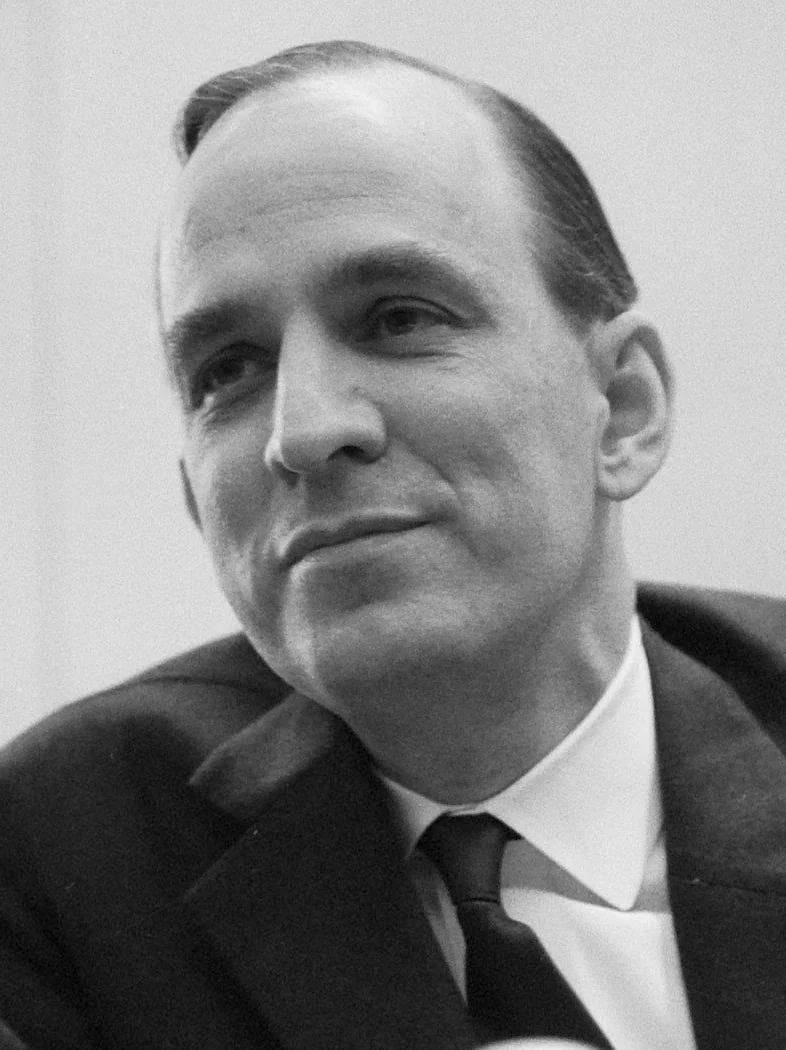
Image from Wikipedia
Image from Wikipedia
Ingmar Bergman – The Architect of Great Questions in Cinema
Introduction: A Life Between Stage, Screen, and Existential Depth
Ingmar Bergman was one of the defining filmmakers of the 20th century: a Swedish screenwriter, film and theater director, born on July 14, 1918 in Uppsala and died on July 30, 2007 on Fårö. His work combines personal experience, strict form, and spiritual searching into an unmistakable artistic cosmos. His being honored as the "Best Film Director of All Time" at Cannes in 1997 reflects not only fame but also the stature of his artistic language in world cinema. ([britannica.com](https://www.britannica.com/biography/Ingmar-Bergman?utm_source=openai))
Bergman never regarded theater and film as separate worlds. Both media enriched one another, and it was precisely from this interaction that the rare blend of psychological precision, dramatic compression, and visual clarity emerged, making his works so powerful to this day. The Bergman Foundation speaks of around 60 films and TV productions, 172 theater productions, and about 300 writings – a body of work of extraordinary density. ([ingmarbergman.se](https://www.ingmarbergman.se/?utm_source=openai))
Biographical Roots: Discipline, Religion, and Early Imagination
Ernst Ingmar Bergman grew up as the son of a Lutheran pastor in an environment shaped by discipline, religious strictness, and moral control. This early upbringing later became a central driving force in his art: guilt, faith, silence, and forgiveness run like leitmotifs throughout his entire work. Even at a young age, he escaped into the world of theater and film because here, the questions of life could be addressed more sharply and freely than in everyday life. ([munzinger.de](https://www.munzinger.de/register/portrait/biographien/Ingmar%20Bergman/00/6286?utm_source=openai))
His path led him through literary and artistic interests finally to writing and directing. In 1942, he staged his first play, shortly thereafter he worked as a screenwriter, and in 1946, he got the opportunity to direct with Kris. This early career step marked the beginning of a career that transformed a young theater man into one of the most renowned directors in film history. ([alexander-verlag.com](https://www.alexander-verlag.com/autoren/autor/33-ingmar-bergman.html?utm_source=openai))
The Breakthrough: From the Swedish Scene to the World Stage
Bergman's international breakthrough came with The Seventh Seal and Wild Strawberries in 1957. These films encapsulated his themes in a form that was simultaneously philosophical, visually powerful, and emotionally accessible. Death as a chess player, memory as a spiritual landscape, and the solitude of man were told in images that have inscribed themselves into the collective memory of cinema. ([britannica.com](https://www.britannica.com/biography/Ingmar-Bergman?utm_source=openai))
As a theater director, Bergman also developed enormous authority. He led the Royal Dramatic Theater in Stockholm from 1963 to 1966, thus shaping not only the Swedish stage but also the working methods of many actors. His dual role as a director for stage and screen created a rare artistic access: Bergman was not merely a film director but a dramaturge of human closeness. ([whoswho.de](https://whoswho.de/bio/ingmar-bergman.html?utm_source=openai))
The Great Phase of Work: Films as Spiritual Landscapes
In the 1950s and 1960s, Bergman's style condensed into a language of existential confrontation. Works like The Silence repeatedly sparked censorship debates due to their open sexuality and uncompromising portrayal, which made them scandalous successes. Other key titles like Persona, Scenes from a Marriage, and Fanny and Alexander showed how consistently Bergman brought family conflicts, identity crises, and the fragility of human relationships to the forefront. ([spiegel.de](https://www.spiegel.de/kultur/kino/kino-legende-filmregisseur-ingmar-bergman-ist-tot-a-497200.html?utm_source=openai))
His films are not mere narratives but precisely composed psychological spaces. Recurring flashbacks, intense close-ups, and highly controlled lighting give the images an almost musical structure, where pauses, glances, and silence are as important as dialogues. Together with his long-time cameraman Sven Nykvist, Bergman developed a visual language that reveals the inner lives of the characters without explaining them. ([britannica.com](https://www.britannica.com/biography/Ingmar-Bergman?utm_source=openai))
Style and Themes: Existence, Faith, Loneliness
The core of Bergman's art lies in the concentration on fundamental questions of being human. Death, distance from God, loneliness, and the fragility of love and marriage form the thematic axis of his dramas. For this reason, his films do not feel historical even decades later but immediate: they do not speak about the spirit of the times but about experiences that remain inscribed in humanity. ([britannica.com](https://www.britannica.com/biography/Ingmar-Bergman?utm_source=openai))
Additionally, there is the autobiographical tension that is palpable in many of his works. Bergman processed personal conflicts, family influences, and internal contradictions in characters that never remain purely symbolic. This connection of personal experience and formal rigor gives his work the authority of an author who does not just observe the human psyche but dissects it with great empathy and brings it to the screen. ([britannica.com](https://www.britannica.com/biography/Ingmar-Bergman?utm_source=openai))
Awards, Recognition, and Cultural Significance
Bergman's name stands for an exceptional biography in film history. The honor in Cannes in 1997 as the best director of all time is just a particularly visible sign of an international recognition that has built up over decades. His later accolades from institutions, awards, and retrospectives also illustrate how deep his influence on film culture runs. ([whoswho.de](https://whoswho.de/bio/ingmar-bergman.html?utm_source=openai))
Moreover, his oeuvre continues to have a lasting impact on festivals, archives, film schools, and academic film research. The Bergman Foundation not only documents his work but keeps it alive through exhibitions, events, and archival work in cultural discourse. Thus, Bergman remains not just a historical name but a living reference point for direction, acting, and film analysis. ([ingmarbergman.se](https://www.ingmarbergman.se/?utm_source=openai))
Current Contextualization: An Estate That Continues to Work
New albums or music projects are naturally not associated with Ingmar Bergman; his work is cinematic and theatrical. Nevertheless, his legacy remains active as the Bergman Foundation continuously publishes materials, programs, and events. Current references such as concerts, retrospectives, and new interpretations of his work are also visible on the official site, which confirms Bergman's influence in the 21st century. ([ingmarbergman.se](https://www.ingmarbergman.se/?utm_source=openai))
This continued presence makes Bergman fascinating: his films are not only admired but repeatedly re-read, restored, discussed, and contextualized. Anyone who engages with him encounters an artist whose uncompromising truthfulness continues to set standards for direction, acting, and visual storytelling. His works belong on the big screen, in discussions, and in the present. ([ingmarbergman.se](https://www.ingmarbergman.se/?utm_source=openai))
Conclusion: Why Ingmar Bergman Continues to Captivate
Ingmar Bergman remains a monument of cinematic art because he connects the private with the universal. His films are precisely constructed soul dramas, his theater work broadened the perspective on language, body, and conflict, and his visual language has influenced generations of directors. Those who discover Bergman find a cinema of radical intimacy – and therein lies his timeless greatness. ([britannica.com](https://www.britannica.com/biography/Ingmar-Bergman?utm_source=openai))
Anyone seeking true artistic intensity should not only know but also experience Bergman's work. On the screen, his films unleash that power that arises from silence, glances, and inner abysses. It is particularly live in the cinema that one sees why Ingmar Bergman is counted among the most important authors in film history. ([ingmarbergman.se](https://www.ingmarbergman.se/?utm_source=openai))
Official Channels of Ingmar Bergman:
- Instagram: No official profile found
- Facebook: No official profile found
- YouTube: No official profile found
- Spotify: No official profile found
- TikTok: No official profile found
Sources:
Upcoming Events
Schumannfest 2026: Rex Cinema: The Smile of a Summer Night
Bergman's fine romantic comedy meets Bonn festival flair at Rex Cinema: The Smile of a Summer Night promises style, wit, and melancholy. #Schumannfest
After the Rehearsal
An evening between art and abyss: After the Rehearsal brings Bergman's chamber play to Fürth. 11.09.2026, 19:30, €15. Experience live now. #Theater