
Karsten Troyke
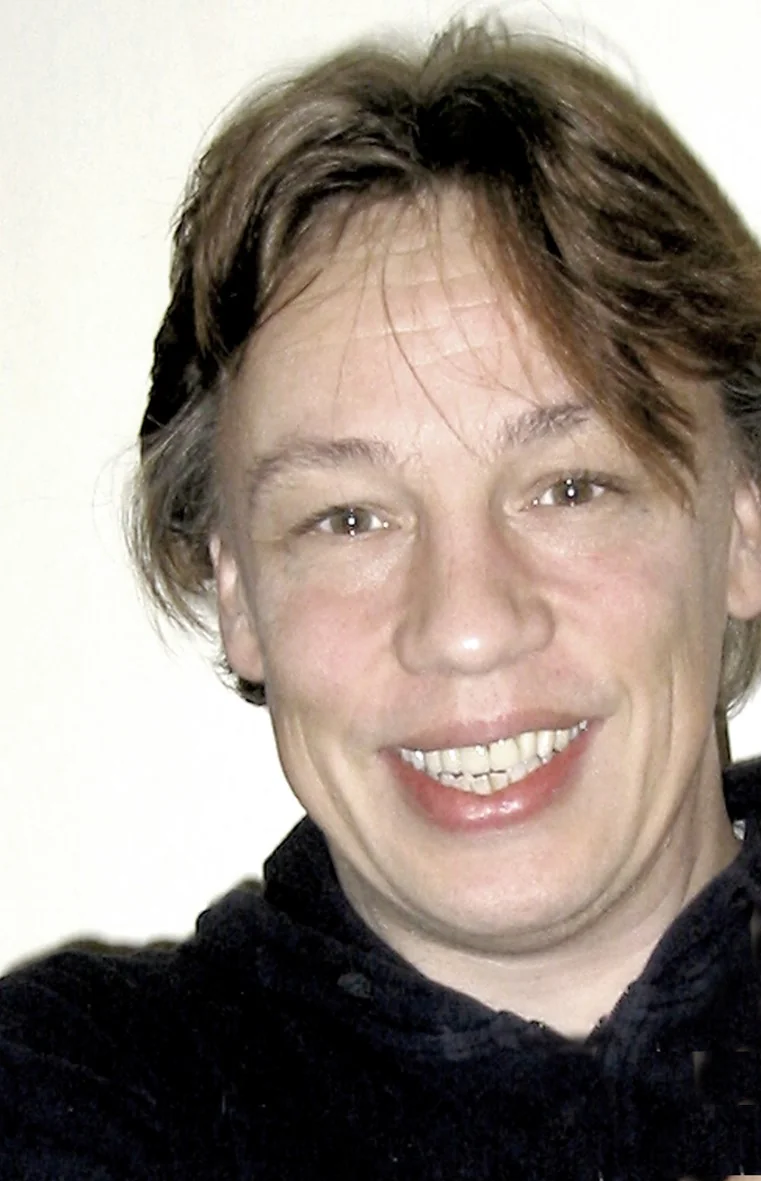
Image from Wikipedia
Image from Wikipedia
Karsten Troyke – The Distinct Voice of Yiddish Song Between Chanson, Theater, and Cultural Memory
An artist who sings stories and makes language an event
Karsten Troyke is one of those rare German artists whose work transcends a classical singing career. Born in 1960 in East Berlin as Karsten Bertolt Sellhorn, this chanson singer, actor, and speaker has made a name for himself, especially with Yiddish songs, and is considered one of the defining voices of this repertoire in the German-speaking world. His music career combines stage presence, literary precision, and cultural responsibility into a unique artistic profile. ([de.wikipedia.org](https://de.wikipedia.org/wiki/Karsten_Troyke?utm_source=openai))
Early years in East Berlin: Education, proximity to theater, and artistic formation
Troyke's journey began in East Berlin, where he dedicated himself early on not only to singing but also to acting and voice training. Alongside his work in the social sector, he developed an artistic language that relies on text, expression, and nuance. This dual talent continues to shape his performances today: Troyke does not merely sing songs; he interprets them as small dramatic scenes with their own tension, posture, and emotional depth. ([karsten-troyke.de](https://karsten-troyke.de/vita.html?utm_source=openai))
In 1990, he left social work and fully focused on song programs and theater. This marked the beginning of the phase in which his artistic identity became clearly defined: as a singer with a fine sense of text dramaturgy, as a speaker with expressiveness, and as a theater person who always perceives music as a narrative form. It is this connection that makes his biography equally exciting for music lovers and cultural historians. ([karsten-troyke.de](https://karsten-troyke.de/vita.html?utm_source=openai))
The discovery of Yiddish music as an artistic center
Troyke earned his special rank with Yiddish songs, a repertoire that combines tradition, exile history, and urban music culture. Since the 1980s, he has been bringing programs to the stage featuring his own songs, texts, folk songs, and "songs of the world." His official archive and concert announcements make it clear that he does not treat Yiddish music as a niche repertoire but as a vibrant, contemporary art form. ([karsten-troyke.de](https://www.karsten-troyke.de/?utm_source=openai))
A key role was played by Sara Bialas-Tenenberg, who mentored Troyke in the Yiddish language from 1987. Through her, he gained access to rare songs and traditional forms of the repertoire, which he later developed further with his own voice. His 1997 CD Vergessene Lieder includes previously unpublished pieces from her memory and exemplifies his work in preserving and reactivating musical traditions. ([de.wikipedia.org](https://de.wikipedia.org/wiki/Karsten_Troyke?utm_source=openai))
Career spanning concerts, theater, and literary interpretation
Karsten Troyke is not confined to the concert stage. He has performed as an actor and speaker in various cultural contexts and appeared in musical-literary programs that connect stories, anecdotes, and songs. This is particularly evident in projects related to theater and collaborations with other Berlin stage artists, such as Walfriede Schmitt or Bettina Wegner. His career thrives on the interplay between song, narrative, and stage presence. ([music.apple.com](https://music.apple.com/at/album/yiddishkayt/1395887115?utm_source=openai))
Troyke's reception by other artists also indicates his stature. His interpretations of the songs of Georg Kreisler are mentioned in his biography published in 2005, reflecting an artistic attitude that works with ambivalent emotions, irony, and linguistic precision. Troyke is considered an interpreter who does not smooth out difficult texts but makes their inner tension audible. ([karsten-troyke.de](https://karsten-troyke.de/vita.html?utm_source=openai))
Discography: Between Yiddishkeit, Chanson, and musical archival work
The discography of Karsten Troyke showcases an artist who consistently works on his own repertoire. Notable releases include Yiddishkayt from 2018, an album that consolidates his engagement with Yiddish song culture and makes the aesthetic core of his work visible. Also important is Troyke singt Kreisler, which emphasizes his closeness to chanson and sarcastic song art. ([music.apple.com](https://music.apple.com/il/album/yiddishkayt/1395887115?utm_source=openai))
Another central album is Yiddish Anders, which, according to an archive note, received the German Record Critics' Award. The 1992 release marks an early peak in his artistic positioning and shows how Troyke offers Yiddish songs with an independent, contemporary interpretation. Related projects include Vergessene Lieder and later adaptations of traditional material, reinforcing his reputation as a preserver and renewer. ([karsten-troyke.de](https://www.karsten-troyke.de/temp.html?utm_source=openai))
The collaboration with Trio Scho is also significant both discographically and stylistically. The project Tango oyf yiddish and subsequent works combine Eastern European song traditions, Klezmer influences, and cabaret energy. In doing so, Troyke expands his profile beyond classical solo chanson, positioning himself in a field between world music, Jewish music history, and theater song. ([de.wikipedia.org](https://de.wikipedia.org/wiki/Trio_Scho?utm_source=openai))
Musical development: Voice, arrangement, and dramatic text treatment
Troyke's voice is described in sources as strikingly rough, yet flexible enough to illuminate melancholy, humor, longing, and despair. His musical strength lies precisely in this: he shapes the text with great differentiation without losing the musical line. His interpretations thrive on the tension between seriousness and irony, between historical depth and immediate stage presence. ([karsten-troyke.de](https://karsten-troyke.de/temp.html?utm_source=openai))
His approach to arrangement and timbre is particularly striking. Reports about his programs feature clarinets, violins, and ensemble arrangements that give the Yiddish songs a chamber music warmth while grounding them folkloristically. This instrumentation creates a space in which Troyke's voice is not merely decoratively accompanied but stands as the narrative protagonist at the center. ([karsten-troyke.de](https://karsten-troyke.de/temp.html?utm_source=openai))
Cultural influence: Mediator of Yiddish song culture in the German-speaking world
Karsten Troyke has not only performed but also communicated. He conducted workshops on the interpretation of Yiddish songs, brought rare material from his collection into the public sphere, and taught, among others, at the Jewish Music Institute at SOAS in London, at Carleton College in Minnesota, and in the summer school of the Centre Medem in Paris. His influence extends far beyond the stage into cultural education and the transmission of musical memory. ([de.wikipedia.org](https://de.wikipedia.org/wiki/Karsten_Troyke?utm_source=openai))
His significance for the Jewish music scene in Germany is clearly stated in several sources. He is described as one of the most important interpreters of Yiddish songs in Europe and as an artist who keeps a once-rare song culture alive. It is precisely in this connection among repertoire preservation, independent interpretation, and cultural responsibility that lies his authority as a musician. ([vol.at](https://www.vol.at/%E2%80%9Eein-tigerfest-zu-ehren-von-georg-kreisler/3416458?utm_source=openai))
Current projects and new releases
Even in 2025 and 2026, Troyke remains active. The album Alt Und Neu by Bertolt Karsten Troyke will be released on Apple Music on November 12, 2025, featuring 13 tracks with a total length of 44 minutes; in addition, other current EPs and singles such as Frei Wie Der Wind, Zuviel Liebe, Unendlich Nah / Liebeslieder, Wenn Die Alten Nichts Mehr Gelten, Umarm’ die Welt, Komm geh in den Tag, and Mama Odessa in Berlin (2026 Remaster) will be listed there. This showcases an artist who continuously writes his music career and connects new releases with his own archive. ([music.apple.com](https://music.apple.com/ch/album/alt-und-neu/1853813104))
He also remains present live. The official archive notes current and planned appearances in Berlin, Leipzig, and other cities, including programs with Trio Scho, Walfriede Schmitt, and Daniel Weltlinger. Troyke's work is thereby not retrospective but contemporary: as an ongoing care of a repertoire that is continuously revitalized in concert. ([music.apple.com](https://music.apple.com/at/album/yiddishkayt/1395887115?utm_source=openai))
Voices of the fans
A section containing fan quotes is omitted, as no verified official social media profiles were clearly found. Thus, the presentation remains deliberately fact-oriented and relies solely on verifiable sources.
Conclusion: Why Karsten Troyke remains so exciting
Karsten Troyke is exciting because he understands music not as a surface but as cultural memory, theatrical form, and linguistic art. His artist biography combines chansons, Yiddish song tradition, acting, and voice work into a distinctive signature. Those who experience Troyke live encounter an interpreter who connects history, emotion, and stage intelligence in every phrase. ([karsten-troyke.de](https://karsten-troyke.de/vita.html?utm_source=openai))
Especially in a time when many voices sound interchangeable, Troyke emphasizes character, depth, and musical storytelling. His discography, stage programs, and outreach work make him an authority on Yiddish song and an artist with lasting relevance. Anyone who has the chance to experience Karsten Troyke live should seize it: here sings someone not just songs but makes entire cultural spaces audible. ([karsten-troyke.de](https://karsten-troyke.de/temp.html?utm_source=openai))
Official channels of Karsten Troyke:
- Instagram: no official profile found
- Facebook: no official profile found
- YouTube: no official profile found
- Spotify: no official profile found
- TikTok: no official profile found
Sources:
Upcoming Events
Karsten Troyke in Weiden: Yiddish Songs and Chansons in the Gustav-von-Schlör Hall
An evening with depth and soul: Karsten Troyke sings Yiddish songs, chansons, and new texts in Weiden. 10.05.2026 from 10 Euros. #Weiden #Concert
Karsten Troyke in Weiden: Eureka! in the Gustav-von-Schlör-Hall
An evening full of voice, emotion, and stage art: Karsten Troyke comes to Weiden. Experience Yiddish songs, chanson, and humor live. #Weiden #KarstenTroyke
Karsten Troyke Trio at the Max-Reger-Halle Weiden
A special chanson evening in Weiden: Karsten Troyke combines Yiddish songs, humor, and melancholy. 10.05.2026, advance sales €10, box office €12. #Weiden #Concert