
Lars Jessen
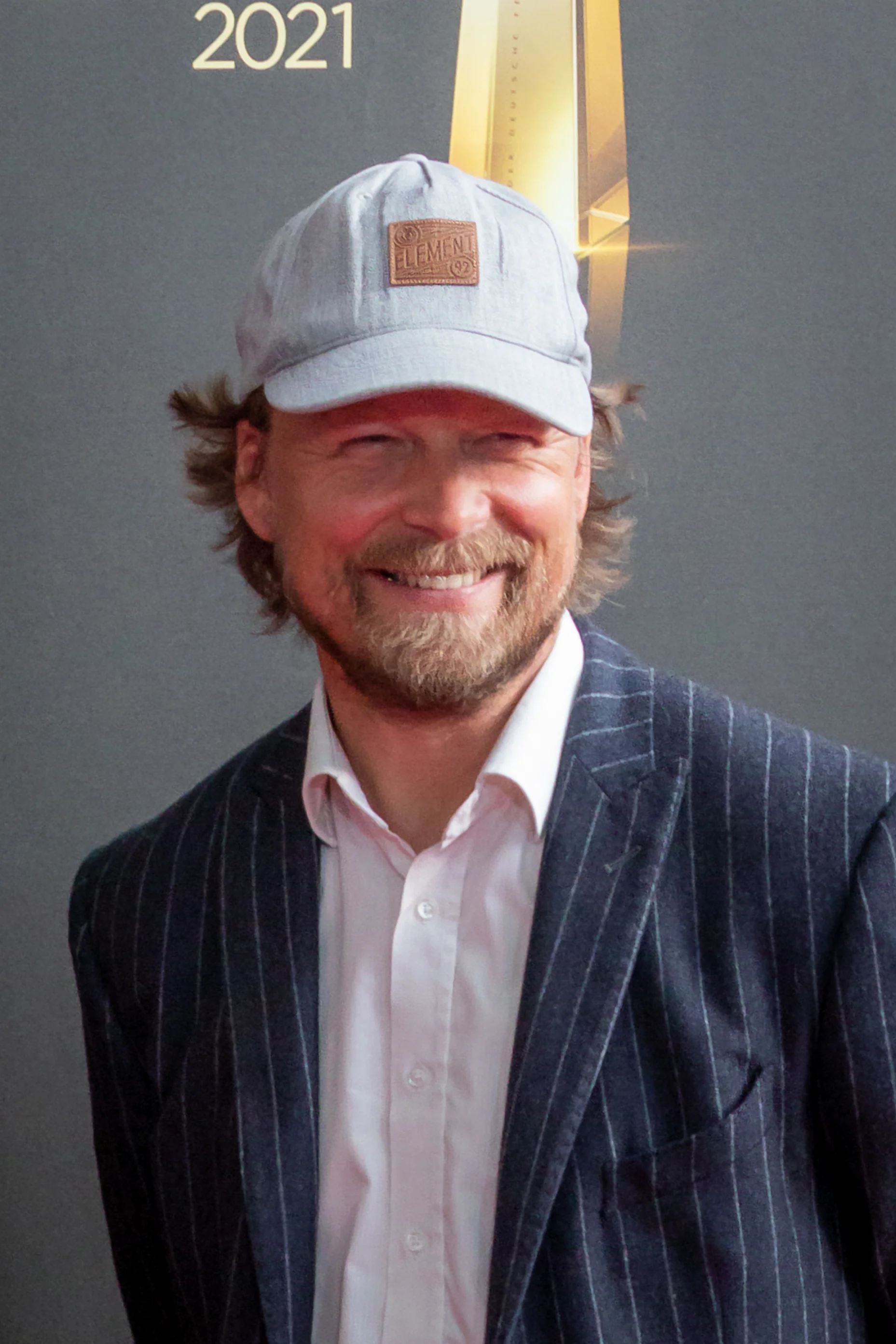
Image from Wikipedia
Image from Wikipedia
Lars Jessen – Director, Screenwriter, Producer
Between Dorfpunk, Mockumentary, and Mittagstunde: How Lars Jessen Shapes German Cinema with Heart, Humor, and Attitude
Born in 1969 in Kiel, director and screenwriter Lars Jessen represents a film art that is closely connected to music culture, merging pop, subculture, and provincial life with a precise eye for environments. Coming from the northern German life world, he developed a distinctive style that is perceptible in the composition, rhythm, and arrangement of his productions. His artistic development ranges from documentary beginnings through successful television series to feature films that leave marks in German film history: from the Max Ophüls prize for his debut to the Grimme prize and box office successes like “Mittagsstunde.” Jessen’s stage presence translates into a cinematic presence: character direction, timing, and tonality are like finely set bars of music.
Experience, expertise, authority, and trustworthiness characterize his oeuvre. Jessen tells stories of the North without resorting to clichés, negotiating cultural identity, social change, and humor with rare confidence. His works connect cinematic composition and social resonance—a combination that convinces critics, industry award juries, and audiences alike.
Biography: Background, Education, and First Film Steps
Lars Jessen grew up in Dithmarschen, processing childhood experiences from Schleswig-Holstein artistically from an early age. After graduating high school, he studied history, politics, and philosophy in Cologne before completing his film education at the Kunsthochschule für Medien Köln. A directing internship at “Lindenstraße” sharpened his understanding of production, ensemble direction, and serial storytelling. He worked early on with influential mentors, accelerating his artistic development towards precise character observation and narrative economy. Even his graduation project showcased his interest in historical research and documentary accuracy.
He soon transferred this foundation to television: directing established series and cop shows provided him with craft solidity, set standards in editing, arrangement, and scene composition, and allowed him to mature as a versatile storyteller in the late 1990s and early 2000s. His gaze always remained focused on authenticity—on real places, voices, and social textures.
Career Path: From Series Specialist to Feature Film Director with a Unique Signature
Starting in 1998, Jessen regularly directed for TV formats and developed an expertise in serial storytelling—from urban comedies to police formats. His work on series like “Großstadtrevier,” “Die Wache,” “Tatort,” “Polizeiruf 110,” and “Mord mit Aussicht” cultivated a sense of pace, emphasis, and ensemble work. Simultaneously, his drive to create longer forms with cultural subtext grew.
In 2005, he achieved his breakthrough in cinema: “Am Tag als Bobby Ewing starb” proved to be a precisely balanced mix of nostalgia, provincial study, and pop reference. The Max Ophüls prize praised not only the direction and screenplay but also the ability to compose everyday dramas with cinematic groove and historical resonance. This was followed by further film projects that sharpened his brand identity: regional anchoring, musical timing, and a loving, sometimes satirical observation of contemporary Germany.
Filmography Spotlight: From “Dorfpunks” to “Mittagsstunde”
“Die Schimmelreiter” connected to northern German motifs and continued Jessen’s ability to narrate landscapes as soundscapes. With “Dorfpunks,” he transitioned the raw energy of punk into a coming-of-age story infused with musical spirit—not as a nostalgic soundtrack but as a dramatic leitmotif. “Hochzeitspolka” varied the comedic arrangement with thoughtful observations of cultural frictions.
A highlight of his artistic development is the mockumentary “Fraktus,” which combines the exploratory nature of documentary filmmaking with the playful spirit of pop mythology. Here, music history mingles with satire—an analysis of style that raises questions of authenticity, cult, and canon. In 2022, “Mittagsstunde” impressed as a literary adaptation with a fine sense of rhythm, silence, and the gaps between sentences. The film resonated: the disappearance of rural structures and the melancholy of change, cinematically arranged like a quiet ballad.
Series, TV Films, and Awards: Authority through Continuity
Jessen directed numerous TV films and series episodes, including “Tatort: Feierstunde,” “Jürgen – Heute wird gelebt,” “Vadder, Kutter, Sohn,” and the sitcom “Jennifer – Sehnsucht nach was Besseres.” The range spans from tragicomedy through crime cases to dry provincial studies. Critical recognition and audience success are reflected in awards such as the Goldene Kamera, the Deutscher Comedypreis, the Grimme Prize, and the Deutscher Fernsehpreis.
These accolades attest to his authority in German television and cinema. They confirm precise character portrayal, an intuitive sense of timing, and a production that aims for narrative clarity in every craft—from camera to sound. In total, a filmography resembling a discography emerges, with its “tracks” covering different genres yet distinctly resonating in the tone of “Lars Jessen.”
Style, Tonality, and Artistic Development: Rhythm, Milieu, and Subtle Humor
Jessen's direction is conceived musically: montage as beats, dialogue as melodic lines, pauses as rest notes. His understanding of genre ranges from mockumentary to provincial drama to comedy; time and again, he weaves music references, pop history, and subcultural signals into the visual language. The composition and arrangement of scenes follow a precise dynamic: a calm introduction, an accentuated rise, a fading subtext.
This signature relies on artistic development through attention to detail. Props, dialects, regional peculiarities, and social rituals are not displayed but organically integrated. The cultural influence emanates from this authenticity: audiences see themselves reflected without being lectured and experience the province not as a postcard but as a resonance space.
Cultural Influence: Pop Cultural Myths, Provincial Narratives, and Sustainability
“Fraktus” has recalibrated the discourse on the authenticity of music myths as pop cultural satire. The film deconstructs chart histories, fan memories, and critical voices with wit and analytical sharpness. “Dorfpunks” preserves a social history of the punk movement in the 1980s, told not primarily through hits and charts but through attitude. “Mittagsstunde,” in turn, condenses a bestselling narrative into an affecting study of demographics, memory, and the tone of the North.
Simultaneously, Jessen is committed to ecological standards in the industry. Green shooting, minimum standards, and consulting initiatives show that production and responsibility can be thought of together. This work extends beyond individual projects, influencing workflows in editorial, production, and post-production—a sustainable contribution to the viability of film and television production.
Productions and Collaborations: Florida Film, Ensemble Work, Dramatic Precision
As a producer and partner in a production company, Jessen collaborates with creatively influential figures. Recurring partnerships—with people like Charly Hübner or Jan Georg Schütte—deepen his understanding of ensemble work. In these configurations, productions arise that balance between improvisation and strict dramaturgy.
His production activity also strengthens his direction: budget discipline, casting, locations, and music selection work in concert. The production process resembles a studio session: Each element—camera, lighting, set design, music—serves the collective sound landscape. This approach fosters quality consistency and sharpens the brand value of “Lars Jessen.”
Current Projects and Recent Works: From Literary Adaptation to Contemporary Observation
“Mittagsstunde” marks his most successful cinema work so far and exemplifies the maturity of his signature style. At the same time, Jessen made an impact on television with “Für immer Sommer 90”—an improvisation-driven, dialogue-rich work exploring contemporary communication, friendship dynamics, and identity in crisis mode.
Recent TV films and series work showcase his ongoing interest in current material development: social micro-dramas, everyday comedy, and depth in northern characters. New productions and documentary projects underline that Jessen continues to remain versatile between the big screen and prime time—stylistically focused, thematically curious.
Awards, Reception, and Prize Landscape: Why Critics and Audiences Listen
The awards tally is impressive: from the Max Ophüls prize to the Grimme prize and Deutscher Fernsehpreis to the Gilde-Filmpreis. Reviews highlight his precision with language, his fine sense of timing in dialogue, and an empathetic yet humorous perspective. His works frequently appear in rankings and annual top lists—an indication of sustainable relevance in the canon of contemporary German film.
“Fraktus” received nominations across music and film juries, confirming its hybrid character between music history and cinematic art. “Jennifer – Sehnsucht nach was Besseres” won the hearts of sitcom fans with its dry tonality. “Für immer Sommer 90” impressed as a diagnosis of the present and won significant television awards. This diversity shows that Jessen perceives genre not as a drawer but as a family of instruments.
Technique, Production, Music, and Sound: How Sound Carries the Images
Jessen's films benefit from careful sound design, intelligent music selection, and precise mixing. Music is not decorative but structural: it unveils subtexts, shifts moods, creates pauses and transitions. In editing, Jessen employs rhythmic contrasts, works with visual axes, and uses cutaways that accentuate a scene anew like “breaks.”
On the production side, he demonstrates meticulousness in material development and casting. The motifs of origin, departure, and return recur—sometimes broken humorously, sometimes condensed poetically. His films resemble well-listened albums: Each scene is a track with its own motif, but only in sequence does the full resonance space emerge.
Social Relevance: Province as a Stage of the Present
Whether it's a village pub, coastal land, or district: Jessen turns spaces into characters. He highlights ways of life that are often overlooked and bestows them with cinematic dignity. This is where cultural influence is generated: When cinema and television narrate the supposed margins as the center, perspectives shift. This shift is felt in discourses about rural areas, work environments, pop nostalgia, and identity.
His work on ecological standards points to an understanding of culture as value creation with responsibility. Green shooting is not perceived as a burden but as a quality feature—part of a modern production ethos that connects aesthetics, ethics, and efficiency.
Conclusion
Lars Jessen is one of the most distinctive voices in contemporary German cinema. He combines a documentarian's instinct, pointed humor, and a keen sense for the music of language. His filmography reads like a carefully curated album: diverse in genres yet cohesive in tone. Anyone wanting to experience contemporary Germany through precise, warm-hearted imagery will find a unique signature in his works. The call is clear: These films belong on the big screen—unfolding their full resonance live in the cinema.
Official Channels of Lars Jessen:
- Instagram: No official profile found
- Facebook: No official profile found
- YouTube: No official profile found
- Spotify: No official profile found
- TikTok: No official profile found
Sources:
Upcoming Events
Now. Where to. - My Journey with Robert Habeck
Political cinema with depth in Utopolis Coburg: Jessen accompanies Habeck, shows doubts, language, new beginnings. 16.12.2025, time to be announced, approx. €9 admission. Experience, discuss, think along. #Documentary
Lars – the Little Polar Bear for Children - Augsburg Family Fun 2026
A loving family adventure in Augsburg: Lars – the Little Polar Bear delights children aged 5 and up at the Planetarium. Fantasy, wonder, and shared time under the dome. #FamilyTime #Augsburg