
Maria Imma Mack
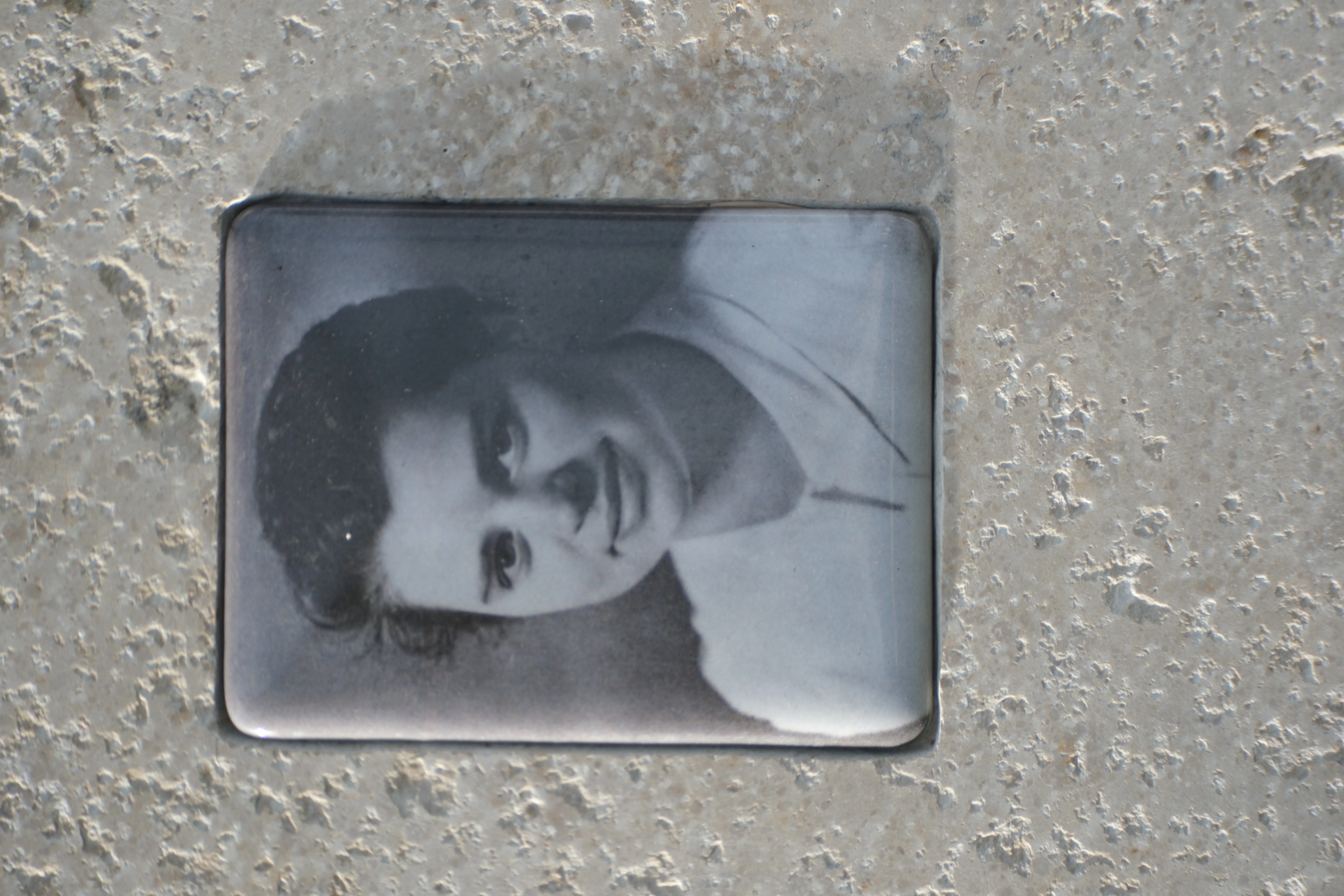
Image from Wikipedia
Image from Wikipedia
Maria Imma Mack – Courage, Conscience, and Quiet Grandeur in the Shadow of Dachau
A Life Story Between Christian Calling, Civil Courage, and Historical Remembrance
Maria Imma Mack, born as Josefa Mack on February 10, 1924, in Möckenlohe near Eichstätt and died on June 21, 2006, in Munich, belongs to those German religious women whose life path extends far beyond a religious biography. She became known as a sister of the Congregation of the Poor School Sisters of Our Lady because she secretly provided food, letters, and liturgical items to prisoners of the Dachau concentration camp during the Nazi era. Under the alias "Mädi," she risked her life for this and was later remembered as the "Angel of Dachau." ([deutsche-digitale-bibliothek.de](https://www.deutsche-digitale-bibliothek.de/person/gnd/113520522?utm_source=openai))
Early Years and Calling
Josefa Mack grew up in a Catholic environment and decided at a young age to pursue a path in the religious community. In 1940, she became a candidate of the Poor School Sisters in Munich; by 1942, she was already working as an assistant in the Order's children's home in Freising. This early phase showcases a biography characterized by discipline, religious commitment, and social engagement, long before her name became associated with Dachau. ([schulschwestern.de](https://schulschwestern.de/sr-imma-mack-maedi/?utm_source=openai))
Her training as a needlework teacher was forcibly interrupted by the Nazis in 1942, which decisively altered her life path. Instead of a straightforward career, she entered a historical state of exception that transformed a young religious candidate into a courageous helper in the resistance. It is precisely in this tension between monastic daily practice and political violence that the extraordinary quality of her life story lies. ([schulschwestern.de](https://schulschwestern.de/sr-imma-mack-maedi/?utm_source=openai))
The Courage of Dachau: Helping at the Risk of One's Life
On May 16, 1944, Josefa Mack first entered the garden of the Dachau concentration camp. There, she encountered imprisoned priests, whose plight deeply moved her, and she began to regularly travel to Dachau with the knowledge and support of her superiors. According to the congregation, she made around 60 trips until the end of the war, sometimes walking or using a sled in winter, to bring gifts to the prisoners. ([gerhardinger.org](https://gerhardinger.org/memorial-plaque-for-sister-m-imma-mack/?utm_source=openai))
Among the smuggled items were altar wine, hosts, food, and later even holy oils and texts for a priestly ordination. Her commitment to the seriously ill Karl Leisner was particularly significant, as his ordination in the concentration camp was only made possible through a dense network of secret help. Her actions thus exemplify a form of moral counteraction that was not loud but concretely protected life and dignity in an extreme situation. ([gerhardinger.org](https://gerhardinger.org/memorial-plaque-for-sister-m-imma-mack/?utm_source=openai))
Mädi, the Quiet Helper
In the camp environment, she was known as "Mädi." The fact that she remained deliberately taciturn and seldom expanded on her experiences underscores the humility of her character and explains why her story only gained broader public resonance later. Her concise, almost reserved self-presentation does not diminish her biography but rather makes it more credible and poignant. ([gerhardinger.org](https://gerhardinger.org/memorial-plaque-for-sister-m-imma-mack/?utm_source=openai))
The designation "Angel of Dachau" refers to the emotional impact of her actions but should not be misunderstood as mere legend. Behind the image lies a concrete historical achievement: a young religious sister who repeatedly brought aid to a concentration camp, accepted clear risks, and yet remained in the shadows. This core reflects the essence of her authority as a historical figure. ([gerhardinger.org](https://gerhardinger.org/memorial-plaque-for-sister-m-imma-mack/?utm_source=openai))
Recognition, Remembrance, and Public Honor
Maria Imma Mack received numerous awards for her life's work. In 1986, she was awarded the Bavarian Order of Merit, in 2001, she received the "Munich Shines" award, and in 2004, she was inducted into the French Legion of Honor for her courage and commitment to peace and reconciliation between Germany and France. These honors demonstrate that her actions were recognized as extraordinary not only in the Church but also politically and socially. ([domradio.de](https://www.domradio.de/artikel/vor-100-jahren-wurde-die-ordensfrau-imma-mack-geboren?utm_source=openai))
Even posthumously, her name remains present in the public sphere. In Ingolstadt, a student residence hall is named after her, in Möckenlohe, a memorial plaque was unveiled on the cemetery wall of St. Johannes Church in 2024, marking her 100th birthday, and she is listed in Munich's city history under Imma-Mack-Weg. Such forms of remembrance illustrate how historical merits are inscribed into today's cultural memory. ([stmb.bayern.de](https://www.stmb.bayern.de/med/aktuell/archiv/2023/230605architektouren/?utm_source=openai))
Personality and Cultural Influence
Maria Imma Mack represents a form of civil courage that arises from faith, empathy, and practical consequence. Her life path is therefore significant not only for church history but also for the culture of remembrance surrounding Dachau, Freising, Munich, and Eichstätt. At a time when resistance is often associated with grand gestures, her story illustrates the power of quiet, persistent help. ([gerhardinger.org](https://gerhardinger.org/memorial-plaque-for-sister-m-imma-mack/?utm_source=openai))
Her biography connects local roots with European history. That a young woman from Möckenlohe became a helper for inmates of a concentration camp and was later honored in France makes her story a remarkable example of transnational reconciliation. The public memory of her endures precisely because her actions touch upon universal questions: What does conscience mean? How far does responsibility reach? And what can a single person achieve in an inhumane order? ([domradio.de](https://www.domradio.de/artikel/vor-100-jahren-wurde-die-ordensfrau-imma-mack-geboren?utm_source=openai))
A Life Without a Stage but with Lasting Radiance
Maria Imma Mack is not a musician, and a discography in the true sense does not exist for her. Nevertheless, her life story possesses a unique dramaturgy: youth, calling, historical turning point, courageous action, and later recognition form a narrative of great inner tension. For this reason, she is well-suited for a comprehensive biographical commemoration, as her work remains exemplary for courage and humanity to this day. ([deutsche-digitale-bibliothek.de](https://www.deutsche-digitale-bibliothek.de/person/gnd/113520522?utm_source=openai))
Anyone who engages with Maria Imma Mack encounters a personality whose strength lay in the hidden. Her name serves as a reminder that historical greatness does not always present itself loudly but often becomes visible through quiet, repeated actions. This quiet resolve continues to make her a compelling and important figure today. ([gerhardinger.org](https://gerhardinger.org/memorial-plaque-for-sister-m-imma-mack/?utm_source=openai))
Conclusion
Maria Imma Mack fascinates because her life makes the power of conscience visible in an extreme epoch. She combined religious calling with tangible help, personal humility with historical courage, and local life with international remembrance. Those interested in contemporary history, civil courage, and the role of individuals in resistance find in her biography an extraordinary example. ([gerhardinger.org](https://gerhardinger.org/memorial-plaque-for-sister-m-imma-mack/?utm_source=openai))
A visit to the sites of her memory, especially in Dachau, Möckenlohe, or the memorials in Munich and Ingolstadt, makes this story even more tangible. Maria Imma Mack remains a personality whose quiet actions still move people and provoke reflection. ([commons.wikimedia.org](https://commons.wikimedia.org/wiki/File%3AGedenktafel_f%C3%BCr_Schwester_Imma_Mack_in_M%C3%B6ckenlohe-03.jpg?utm_source=openai))
Official Channels of Maria Imma Mack:
- Instagram: no official profile found
- Facebook: no official profile found
- YouTube: no official profile found
- Spotify: no official profile found
- TikTok: no official profile found
Sources:
- Wikipedia – Maria Imma Mack
- Deutsche Digitale Bibliothek – Josefa Maria Imma Mack
- Poor School Sisters – Sr. Imma Mack (Mädi)
- SSND Congregational Website – Memorial plaque for Sister M. Imma Mack
- DOMRADIO.DE – 100 Years Since the Birth of Sister Imma Mack
- Diocese of Eichstätt – Inauguration of the Student Residence Sr. Imma Mack in Ingolstadt
- Diocese of Eichstätt – Moved by the Holy Spirit
- Blessed KZ Dachau – Josefa Mack
- City History Munich – Directory of People