
Maria Imma Mack
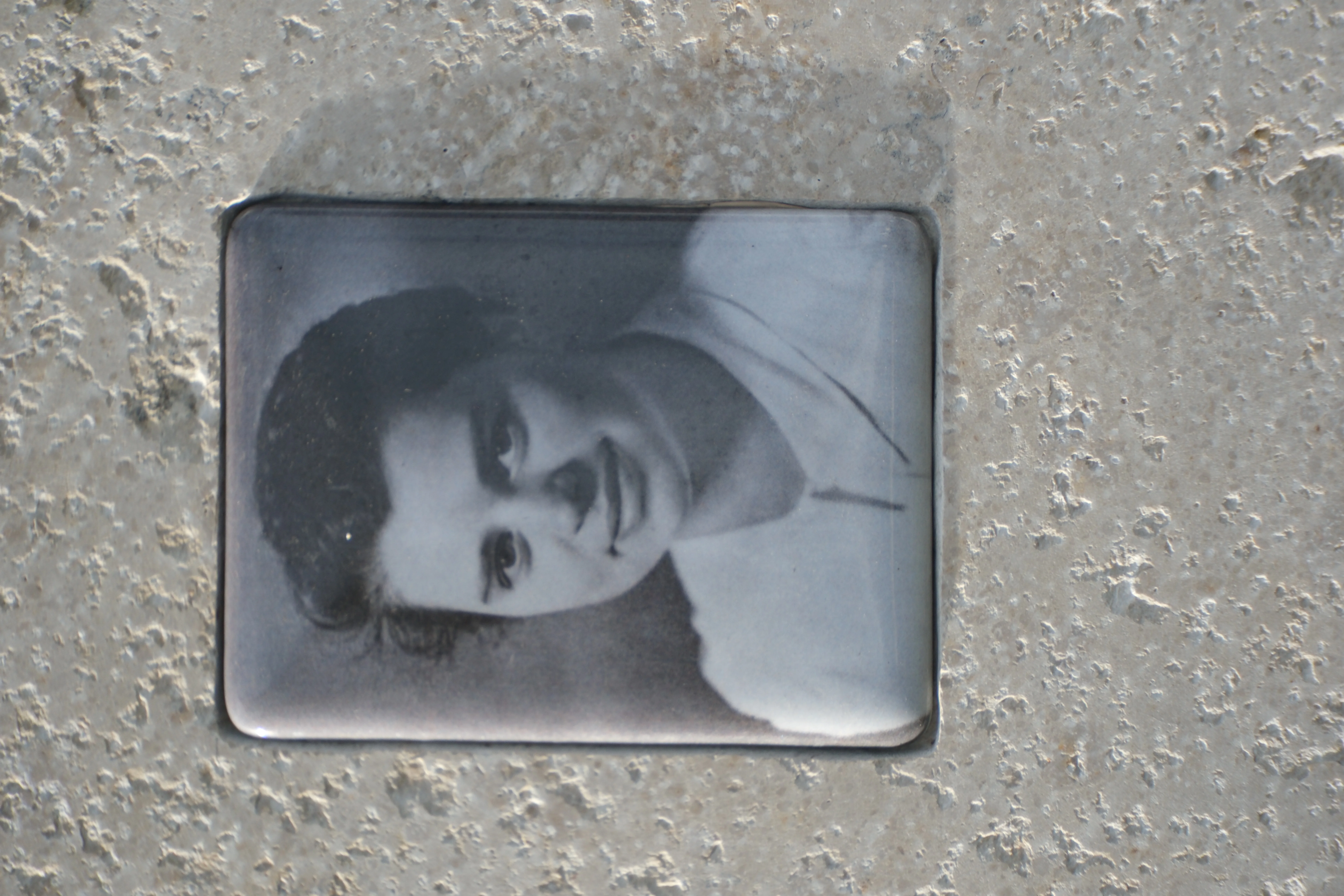
Image from Wikipedia
Image from Wikipedia
Maria Imma Mack – the Silent Heroine of Dachau
A Life Devoted to Humanity, Marked by Courage, Faith, and Quiet Greatness
Maria Imma Mack, born as Josefa Mack on February 10, 1924, in Möckenlohe near Eichstätt and passed away on June 21, 2006, in Munich, is one of the most impressive female figures in German memory culture. As a religious sister of the Congregation of the Poor School Sisters of Our Lady, she combined her religious vocation with an extraordinary act of resistance against the Nazi regime. She became known primarily for her clandestine aid to prisoners of the Dachau concentration camp, to whom she delivered food, letters, and liturgical items. ([de.wikipedia.org](https://de.wikipedia.org/wiki/Maria_Imma_Mack?utm_source=openai))
Biography: From Village to Religious Community
Josefa Mack grew up in a rural setting and entered the candidacy of the Poor School Sisters in Munich as a teenager in 1940. Two years later, she was already working as an assistant in the order's children's home in Freising, where her religious influence and practical commitment became evident early on. Her training as a needlework teacher coincided with a time of political repression; the training institute in the Munich district of Au was forcibly closed by the Nazis in January 1942. Josefa Mack later became Sister Maria Imma Mack, known in the religious context as "Mädi." ([schulschwestern.de](https://schulschwestern.de/sr-imma-mack-maedi/?utm_source=openai))
The path into the order was not simply a formal decision for her but the beginning of a life characterized by responsibility and proactive engagement. It is precisely this combination of monastic discipline and human closeness that makes her biography so extraordinary. She epitomizes women whose influence remained long overshadowed by grand political narratives, even though they exhibited civil courage in critical moments. ([schulschwestern.de](https://schulschwestern.de/sr-imma-mack-maedi/?utm_source=openai))
The Brave Commitment to the Prisoners of Dachau
In 1944, Maria Imma Mack was assigned for the first time to purchase plants and flowers from the garden center of the Dachau concentration camp. On site, she observed the degrading conditions of the prisoners and, together with her fellow sisters, began to set aside food to smuggle it to the captives. From May 1944 to April 1945, she regularly traveled to Dachau, in the summer by bicycle and in the winter with a sled that she pulled. Under the pseudonym "Mädi," she provided those people with food, letters, and liturgical items. ([de.wikipedia.org](https://de.wikipedia.org/wiki/Maria_Imma_Mack?utm_source=openai))
This assistance was not a symbolic gesture but a highly risky act of solidarity. According to available sources, she was aware of the danger, as contacts of this nature were punishable by death. This is precisely why her actions carry a moral weight that resonates to this day: she acted not from a distance but in the midst of risk. ([stadtgeschichte-muenchen.de](https://stadtgeschichte-muenchen.de/strassen/d_strasse.php?id=5965&utm_source=openai))
The Significance of Her Actions in Historical Context
Maria Imma Mack primarily helped Polish clergy and other prisoners suffering from hunger, illness, and violence in the camp. Her work demonstrates that resistance during the Nazi era consisted not only of grand gestures or political networks but also of quiet, continuous acts of charity. The Dachau Memorial Site honors this form of action as part of a comprehensive remembrance of humanity under extreme conditions. ([kz-gedenkstaette-dachau.de](https://www.kz-gedenkstaette-dachau.de/kurzbiografie/kurzbiografie-imma-mack/?utm_source=openai))
Particularly impressive is the practical logistics of her assistance: the weekly trips, hiding of food, overcoming poor transport links, and the physically demanding route between Freising and Dachau. In this consistency lies the true greatness of her commitment. Maria Imma Mack was not a figure of loud appearances but a woman of dependable actions. ([schulschwestern.de](https://schulschwestern.de/sr-imma-mack-maedi/?utm_source=openai))
Recognition, Remembrance, and Late Acknowledgment
For her lifetime achievements, Maria Imma Mack received the "München leuchtet" award in 2001. Later, her home region visibly brought her work into the public consciousness: In Möckenlohe, a commemorative plaque was unveiled, and in Munich, the Imma-Mack-Weg serves as a visible sign of appreciation. Such signs demonstrate that her story is anchored not just in church history but also in urban and cultural remembrance. ([de.wikipedia.org](https://de.wikipedia.org/wiki/Maria_Imma_Mack?utm_source=openai))
In 2004, she was also awarded the French Legion of Honor, further underscoring her significance beyond the regional context. These honors do not merely mark retrospective recognition but reflect how her actions were understood as contributions to reconciliation and humanity. Maria Imma Mack is thus part of a lineage of women whose courage was only fully appreciated later. ([english.katholisch.de](https://english.katholisch.de/artikel/50992-with-bike-and-sledge-how-a-nun-helped-concentration-camp-prisoners?utm_source=openai))
Traces in Public Space: Memorial Sites and Remembrance Work
The memory of Maria Imma Mack is now present at several locations. In her birthplace Möckenlohe, a commemorative plaque has been dedicated to her, and in Munich, the Imma-Mack-Weg provides a visible sign of appreciation. Additionally, church and historical initiatives anchor her story in educational work, such as events and tours that reference her journey to Dachau. ([donaukurier.de](https://www.donaukurier.de/lokales/landkreis-eichstaett/gedenktafel-fuer-schwester-imma-mack-in-ihrem-geburtsort-moeckenlohe-eingeweiht-15578182?utm_source=openai))
Such forms of remembrance are more than mere honors. They underscore that personal civil courage remains part of historical responsibility and must be narratively conveyed to future generations. Maria Imma Mack is therefore not only a figure of the past but also a source for contemporary awareness. ([dachau.de](https://www.dachau.de/tourismus/kz-gedenkstaette/erinnerungsorte.html?utm_source=openai))
Legacy: A Quiet Heroine with a Great Impact
Maria Imma Mack impresses with the connection between inner conviction and concrete action. Her life story speaks of religious vocation, risk, compassion, and a courage that did not seek the spotlight. It is precisely in her humility that her radiance lies: she shows how a single person can maintain dignity in the face of violence and restore dignity to others. ([kz-gedenkstaette-dachau.de](https://www.kz-gedenkstaette-dachau.de/kurzbiografie/kurzbiografie-imma-mack/?utm_source=openai))
Engaging with Maria Imma Mack means encountering not a loud icon but a woman whose influence is deeply inscribed in the moral memory of Bavaria and Germany. Her story deserves to be read, passed on, and rediscovered at the memorial sites of her life. Therein lies her enduring tension: Maria Imma Mack represents a form of courage that is not forgotten. ([stadtgeschichte-muenchen.de](https://stadtgeschichte-muenchen.de/strassen/d_strasse.php?id=5965&utm_source=openai))
Official Channels of Maria Imma Mack:
- Instagram: no official profile found
- Facebook: no official profile found
- YouTube: no official profile found
- Spotify: no official profile found
- TikTok: no official profile found
Sources:
- Wikipedia – Maria Imma Mack
- KZ-Gedenkstätte Dachau – Short Biography of Imma Mack
- Poor School Sisters – Sr. Imma Mack (Mädi)
- German Digital Library – Josefa Maria Imma Mack
- Donaukurier – Commemorative Plaque for Sister Imma Mack in Möckenlohe
- katholisch.de – With bike and sledge: how a nun helped concentration camp prisoners
- Gerhardinger.org – Commemorative Plaque for Sister M. Imma Mack
- Munich Wiki – Imma-Mack-Weg