
Maria Imma Mack
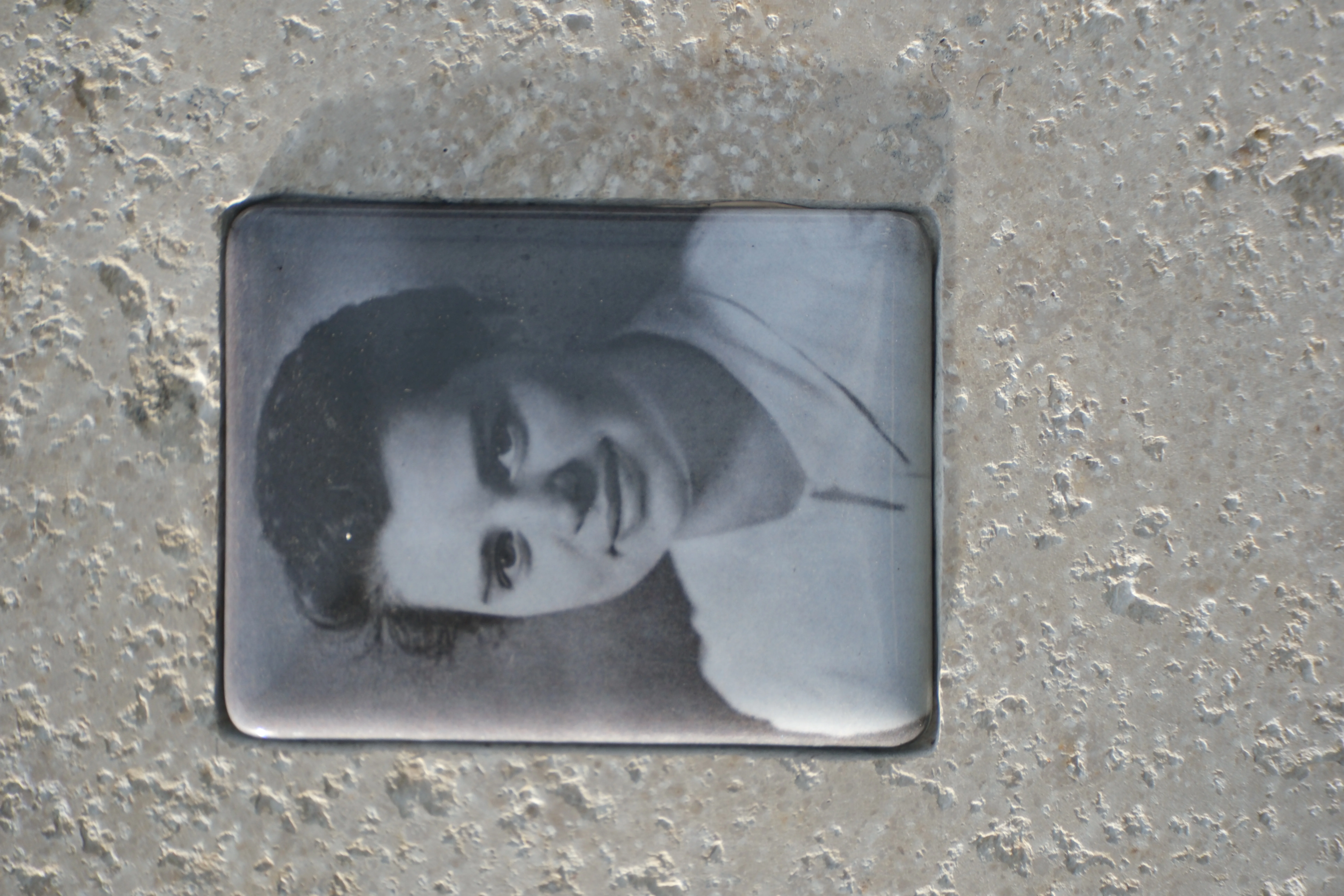
Image from Wikipedia
Image from Wikipedia
Maria Imma Mack: A Life Between Courage, Conscience, and Quiet Resistance
A nun whose life story continues to resonate today
Maria Imma Mack, born on February 10, 1924, as Josefa Mack in Möckenlohe near Eichstätt and died on June 21, 2006, in Munich, is one of the most remarkable women in German contemporary history. Her name stands for civil courage, faithfulness, and the rare strength to stand up for others at the risk of her own life. As a sister of the Poor School Sisters of Our Lady in Munich, she became a quiet helper for prisoners of the Dachau concentration camp under the code name "Mädi." ([schulschwestern.de](https://schulschwestern.de/sr-imma-mack-maedi/))
This biography does not shine through external glamor but through moral greatness. Mack acts not in the spotlight but in secrecy, with a bicycle, a basket, and determination. Her life path interweaves religious vocation, human closeness, and a form of resistance that was manifested not in words but through decisive actions. ([schulschwestern.de](https://schulschwestern.de/sr-imma-mack-maedi/))
Early Years in Möckenlohe: Influence, Calling, and an Early Decision
Josefa Mack grew up in a family that was early influenced by a rejection of National Socialism, according to the order's presentation. At the age of 16, she joined the candidacy of the Poor School Sisters in Munich in 1940 and began her training to become a needlework teacher. This way, her path into a religious community was closely intertwined with responsibility and educational work from a young age. ([schulschwestern.de](https://schulschwestern.de/sr-imma-mack-maedi/))
The forced closure of the training institution in January 1942 by the National Socialists radically changed her daily life. Instead of the planned training, she worked as an assistant in the children's home of the School Sisters in Freising-St. Klara. It was precisely these circumstances that became the starting point for what would later shape her life's testimony: acting against injustice, without pathos but with consistency. ([schulschwestern.de](https://schulschwestern.de/sr-imma-mack-maedi/))
Dachau: Secret Service, Danger, and Living Solidarity
In May 1944, Maria Imma Mack began to visit the Dachau concentration camp under the pretense of flower deliveries. She secretly brought medications, food, hosts, and sacramental wine into the camp, with other sources adding letters, candles, and liturgical objects. These trips were risky and required a high level of caution, endurance, and inner resilience. ([schulschwestern.de](https://schulschwestern.de/sr-imma-mack-maedi/))
Her connection to the priests imprisoned in Dachau remains particularly striking. Through the so-called priest block and the camp's gardens, she came into contact with prisoners, including Karl Leisner, for whom she delivered crucial documents and materials. Thus, she contributed to the secret priestly ordination of Leisner in 1944, an event of historical uniqueness in the context of the Dachau concentration camp. ([schulschwestern.de](https://schulschwestern.de/sr-imma-mack-maedi/))
The order's website also describes how she often made the journey from Freising to Dachau with her bicycle, and in winter, even with a sled, due to poor train connections. The fact that she remained silent about these trips for so long makes her commitment all the more compelling: here speaks not self-presentation, but a stance fueled by conscience and compassion. ([schulschwestern.de](https://schulschwestern.de/sr-imma-mack-maedi/))
Post-War Period and Religious Life: Humility Instead of Self-Projection
After the war, Josefa Mack entered the novitiate of the Poor School Sisters of Our Lady and received the religious name Sr. Maria Imma Mack. She initially lived and worked in Garmisch and later in the Munich Au, where she was active as a needlework teacher. Her further life path remained characterized by humility, service, and a quiet public presence. ([schulschwestern.de](https://schulschwestern.de/sr-imma-mack-maedi/))
The fact that her story only became more widely known later fits her character. It was not until 1989 that she recorded her memories in the book “Why I Love Azaleas,” which documents her trips to the Dachau camp's plantation. This book is not a work of literary pomp but a testament to a culture of remembrance, witness, and ethical vigilance. ([schulschwestern.de](https://schulschwestern.de/sr-imma-mack-maedi/))
A Lifework of Great Recognition
For her commitment, Maria Imma Mack received numerous awards. These include the Bavarian Order of Merit, the Federal Cross of Merit 1st Class, the Cross of Honour Pro Ecclesia et Pontifice, and her induction as a "femme chevalier" into the French Legion of Honor. The medals and honors mark not only gratitude but also societal recognition of actions that were life-threatening during the National Socialist regime. ([schulschwestern.de](https://schulschwestern.de/sr-imma-mack-maedi/))
In 2001, she also received the city of Munich's award “München leuchtet.” After her death, various institutions honored her role as a helper, eyewitness, and moral authority. The Dachau Memorial Site and ecclesiastical institutions have also placed her biography in the context of remembrance of Dachau and Karl Leisner. ([de.wikipedia.org](https://de.wikipedia.org/wiki/Maria_Imma_Mack?utm_source=openai))
Impact and Cultural Significance: Why This Biography Remains Important Today
Maria Imma Mack represents a form of resistance that was not loud but resolute. She helped not as a symbolic figure but as a young woman with concrete actions, bringing food, hope, and liturgical signs to prisoners. In hindsight, it becomes clear how strongly individual people can influence historical processes on a small scale, without seeking the grand stage. ([schulschwestern.de](https://schulschwestern.de/sr-imma-mack-maedi/))
Her life story continues to resonate today because it combines several levels: faith, female self-empowerment, remembrance of persecution, and a quiet insistence on humanity. At a time when biographies are often defined by staging, Mack’s story is powerful precisely because of its sobriety. It is an example of how courage in history does not always announce itself loudly but often quietly, consistently, and without an audience. ([schulschwestern.de](https://schulschwestern.de/sr-imma-mack-maedi/))
A Legacy of Humanity
Maria Imma Mack remains a fascinating personality because her life did not seek applause but rather help, conscience, and faith. Her story connects historical precision with human depth and reminds us that civil courage often begins in small ways. Those who engage with her encounter not a legendary figure but a woman whose stance continues to provide guidance today. ([schulschwestern.de](https://schulschwestern.de/sr-imma-mack-maedi/))
Anyone who reads her story quickly realizes: This life's work deserves attention, respect, and remembrance. A visit to memorial sites, exhibitions, or events related to Dachau and Karl Leisner makes visible how closely her name remains associated with lived solidarity. Maria Imma Mack is worth meeting because her biography powerfully illustrates what it means to remain human when inhumanity has become the norm. ([gerhardinger.org](https://gerhardinger.org/memorial-plaque-for-sister-m-imma-mack/?utm_source=openai))
Official Channels of Maria Imma Mack:
- Instagram: No official profile found
- Facebook: No official profile found
- YouTube: No official profile found
- Spotify: No official profile found
- TikTok: No official profile found
Sources:
- Poor School Sisters – Sr. Imma Mack (Mädi)
- German Digital Library – Josefa Maria Imma Mack
- Orden.de – Sister Imma Mack passed away
- Gerhardinger.org – Memorial plaque for Sister M. Imma Mack
- katholisch.de (English) – With bike and sledge: how a nun helped concentration camp prisoners
- Wikipedia – Maria Imma Mack