
Maria Imma Mack
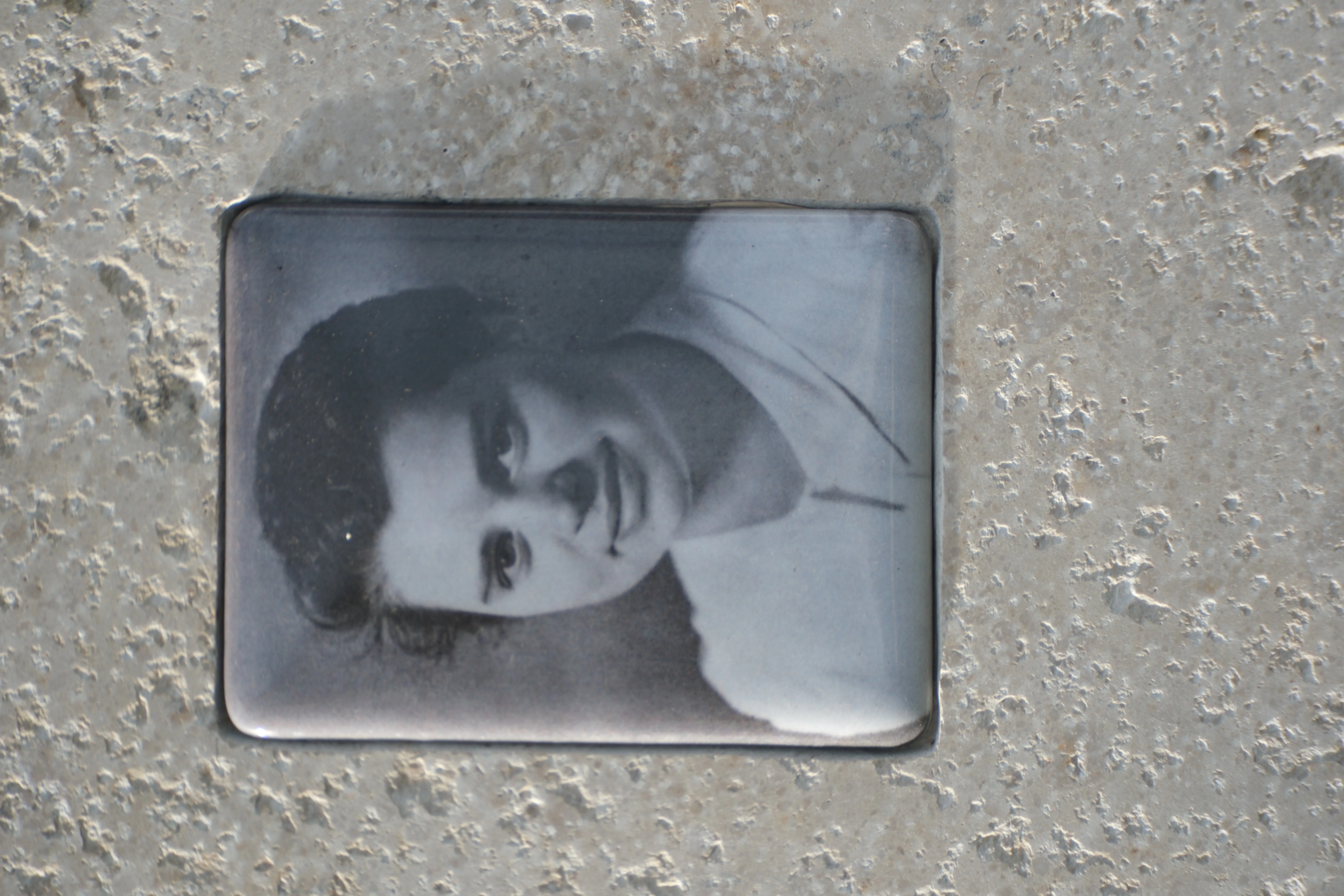
Image from Wikipedia
Image from Wikipedia
Maria Imma Mack: The Silent Heroine of Dachau and Her Lifelong Legacy
A Nun Who Lived Humanity in the Shadow of Injustice
Maria Imma Mack, born on February 10, 1924, as Josefa Mack in Möckenlohe near Eichstätt and passed away on June 21, 2006, in Munich, is one of those figures whose life journey extends far beyond a classic biography. She was a nun of the Congregation of the Poor School Sisters of Our Lady in Munich and became known as a courageous helper for the prisoners of the Dachau concentration camp. Under the alias "Mädi," she smuggled food, letters, and liturgical items into the camp, risking her life in the process. (de.wikipedia.org)
For those searching for an artist's career, discography, or stage presence, Maria Imma Mack represents a different form of influence: not a pop icon, but a moral authority with historical significance. Her life’s work does not unfold in albums, charts, or tours, but rather in action, conscience, and quiet resolve. This is where the narrative weight of her story lies, continuing on through memorial work, street names, commemorative plaques, and ecclesiastical honors. (stadt.muenchen.de)
Biographical Roots: From a Village near Eichstätt to the History of Resistance
Josefa Mack grew up in Möckenlohe near Eichstätt and joined the Poor School Sisters as a teenager. In 1942, she began working as an assistant at the order's children's home in Freising, where her daily life increasingly intertwined with the events of the Nazi era. When she was first tasked in 1944 to purchase plants and flowers for the nursery at the Dachau concentration camp, what appeared to be a banal work assignment became a confrontation with the brutal reality of the camp complex. (de.wikipedia.org)
This early phase of her biography illustrates a development that is not artistically narrow but rather narratively charged: a life shaped by origin, faith, and moral decisions. The young sister, who initially fulfilled ecclesiastical duties, became a woman who did not ignore the plight of the imprisoned but responded with action. Her later religious name, Maria Imma, marks not only a religious identity but also a historical role of particular dignity. (selige-kzdachau.de)
The Breakthrough in a Historical Sense: Helping at the Risk of Her Life
The true "breakthrough" in Maria Imma Mack's life story was not medial but ethical. From May 1944 to April 1945, she regularly supplied food to prisoners at the Dachau concentration camp and maintained contact between prisoners and their families with smuggled letters. Sources emphasize that she acted despite knowing the risk of capital punishment. This makes her commitment one of the most striking examples of civil courage in the regional memory culture of Bavaria. (stadt.muenchen.de)
She also became particularly known for providing liturgical items: hosts, altar wine, candles, holy oils, and texts for services made their way into the camp through her efforts. Reports about her life portray her as a connecting link between the external realm of faith and the internal space of captivity. The alias "Mädi" today symbolizes a courageous form of covert solidarity. (bistum-eichstaett.de)
Post-war Period, Calling, and Work in the Order
After the war, Josefa Mack entered the novitiate of the school sisters in late August 1945 and took the religious name Sister Maria Imma. A year later, she made her profession. From 1949 onwards, she taught as a needlework teacher at order-owned schools in Munich-Au as well as at the girls' secondary school and the vocational academy for home economics, following her state examination; in 1951, she completed her master examination as a dressmaker. She remained active in the teaching profession until 1982. (selige-kzdachau.de)
This second half of her life shows a remarkable continuity: Commitment, discipline, and practical educational competence shaped her daily life as much as the remembrance of the war years. Thus, a helper of the persecuted evolved into an educator accompanying generations of young people. Her biography effectively connects the history of resistance, religious life, and educational work into an exceptionally dense life portrait. (selige-kzdachau.de)
Awards, Honors, and Public Memory
Maria Imma Mack received the Bavarian Order of Merit in 1986, one of the most visible state honors for her life's work. In Munich, the Imma-Mack-Weg remembers her, in Möckenlohe there is a commemorative plaque, and in Freising and Ingolstadt, her memory is preserved in further places of presence. The Diocese of Eichstätt and the Congregation of the Poor School Sisters also keep her memory alive with biographical portraits and honors. (english.katholisch.de)
The public commemoration of Maria Imma Mack demonstrates how individual courage transforms into collective cultural history. Street names, memorial plaques, and church reports serve as spaces of mediation where her actions remain readable. Today, her name is firmly anchored for those searching for the history of the Dachau concentration camp, women in resistance, and Catholic memory culture. (stadt.muenchen.de)
Literary and Journalistic Reception
Maria Imma Mack has also been remembered through books and portraits, including the work "Warum ich Azaleen liebe," which highlights her experiences during the war. The publication makes it clear how much her story is read as a testament to hope, faith, and human closeness. Additionally, church and regional media still dedicate articles to her today, emphasizing her role as a helper of the prisoners of Dachau. (bistum-eichstaett.de)
In this reception lies a unique form of cultural impact: no discography, but a documentation of conscience; no hits, but traces of memory; no music press, but historical and ecclesiastical journalism. However, for a SEO-strong representation, it remains central that Maria Imma Mack’s name is linked with resistance, charity, and historical responsibility. This makes her biography relevant and significant beyond classical artist portraits. (stadt.muenchen.de)
Current Projects and Publications
Since Maria Imma Mack passed away in 2006, there are no current projects, new albums, singles, or tours. Instead, the focus of her present presence lies on memorial work, formats of remembrance, and journalistic honors. Especially in 2024 and beyond, her hundredth birthday has been revisited in regional media and church contributions. (donaukurier.de)
For a content-serious artist page, this means: The category "current publications" will not be filled with new works, but with renewed memory. Her story remains relevant because it raises questions about civil courage, religious responsibility, and human action under a regime of terror. These very themes ensure her lasting cultural presence. (bistum-eichstaett.de)
Style, Impact, and Historical Influence
Maria Imma Mack embodies a quiet but unmistakable form of authority. Her "stage presence" did not consist in applause and spotlights but rather in the courage to travel to Dachau, smuggle food, and provide concrete support to prisoners. The historical influence of her actions is that they are still read today as examples of lived humanity in the shadow of National Socialism. (stadt.muenchen.de)
In the language of music journalism, one could say: Her life possesses drama, tension, and a clear inner composition. The origin from rural Upper Bavaria, the transition into religious life, the risky trips to Dachau, the post-war work as a teacher, and the late public recognition form a narrative arc of extraordinary density. Thus, a life picture emerges that aims not at entertainment but at insight, memory, and moral resonance. (de.wikipedia.org)
Conclusion: Why Maria Imma Mack Still Moves Us Today
Maria Imma Mack captivates because her life illustrates how far personal responsibility can reach. She connected faith, education, and courageous action into a stance that has found a lasting place in the history of the Dachau concentration camp. Those interested in women in resistance, Catholic contemporary history, and the power of quiet heroes will encounter an extraordinary personality in her. (kz-gedenkstaette-dachau.de)
Her legacy invites us to take a closer look, to take memory seriously, and to understand civil courage as a concrete action. Maria Imma Mack is not an artist in the musical sense, yet her life story possesses a depth and a lasting impact that rivals many great cultural biographies. Those who visit places of her remembrance or read her story experience a form of historical presence that still touches and binds us today. (stadt.muenchen.de)
Official Channels of Maria Imma Mack:
- Instagram: No official profile found
- Facebook: No official profile found
- YouTube: No official profile found
- Spotify: No official profile found
- TikTok: No official profile found
Sources:
- Wikipedia – Maria Imma Mack
- Dachau Concentration Camp Memorial – Brief Biography of Imma Mack
- katholisch.de – With bike and sledge: how a nun helped concentration camp prisoners
- Poor School Sisters – Sr. Imma Mack (Mädi)
- Gerhardinger.org – Sister M. Imma Mack
- City of Munich – Imma-Mack-Weg
- Diocese of Eichstätt – Sr. Imma Mack, a Courageous Nun
- Donaukurier – Adelschlag Remembers Its Great Daughter Sister Imma Mack