
Maria Imma Mack
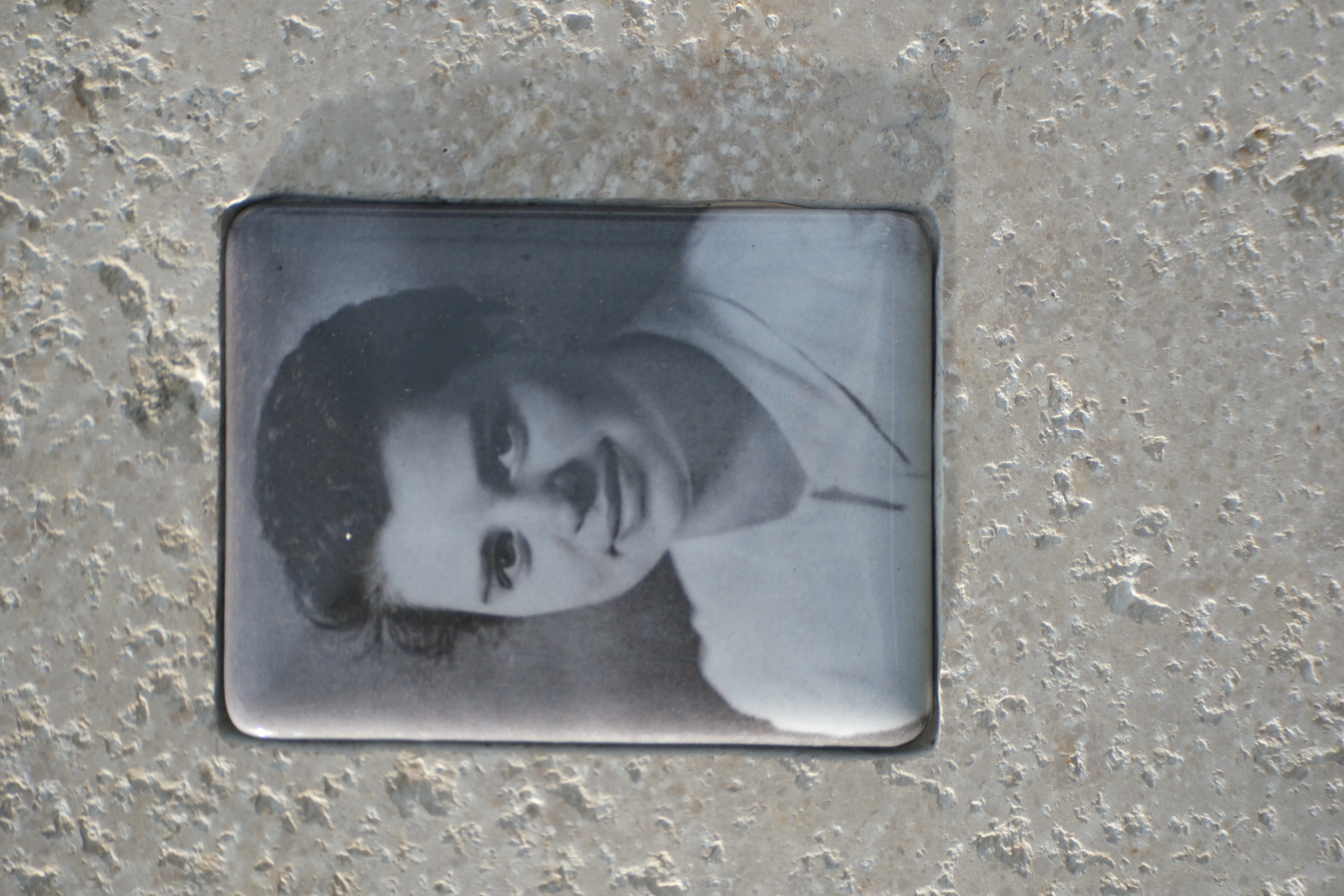
Image from Wikipedia
Image from Wikipedia
Maria Imma Mack: Courage, Conscience, and Living Neighborly Love in the Shadow of Dachau
A nun whose life path points far beyond her time
Maria Imma Mack, born on February 10, 1924, as Josefa Mack in Möckenlohe near Eichstätt and who passed away on June 21, 2006, in Munich, is one of the most impressive figures of the Catholic resistance and Bavarian memory culture. As a sister of the Congregation of the Poor School Sisters of Our Lady, she became known for her secret aid to prisoners of the Dachau concentration camp, to whom she brought food, letters, and liturgical items. Her life path combines monastic vocation, civil courage, and a deep sense of responsibility towards people in existential need. ([stadt.muenchen.de](https://stadt.muenchen.de/infos/imma-mack-weg.html?utm_source=openai))
Early Years in Möckenlohe: Origin, Influence, and Vocation
Josefa Mack grew up in a family of craftsmen in Möckenlohe, along with two siblings, and laid the foundation for a life path characterized by religious commitment and moral clarity from an early age. Sources paint a picture of a young woman who developed a sensitivity to injustice during a time of political brutality and later adopted the religious name Sister Maria Imma. Her early biography is significant because it shows that her actions did not arise from spontaneous heroism but from a developed sense of responsibility. ([donaukurier.de](https://www.donaukurier.de/lokales/landkreis-eichstaett/adelschlag-gedenkt-seiner-grossen-tochter-schwester-imma-mack-15404816?utm_source=openai))
The Years in Dachau: Help at the Risk of One's Life
Her connection to the Dachau concentration camp became particularly formative. On May 16, 1944, the then 20-year-old first arrived there, initially in connection with a task from the convent, later regularly until the liberation at the end of April 1945. From these recurring trips, a quiet, life-threatening aid work developed: She provided prisoners with food, transported letters, and brought items that were also symbolically of great significance to the captives. The fact that she was aware that her actions could lead to the death penalty emphasizes the moral greatness of her deeds. ([stadt.muenchen.de](https://stadt.muenchen.de/infos/imma-mack-weg.html?utm_source=openai))
The accounts also emphasize the practical hardships of these journeys. After a train route was interrupted due to a bomb alert, she covered a large part of the distance by bicycle; in particularly harsh winters, she even used a sled to reach the camp. These details tell more than any pathos: they reveal how consistency, perseverance, and resourcefulness came together in her actions. Her assistance was not abstract but physical, concrete, and fought for anew every day. ([english.katholisch.de](https://english.katholisch.de/artikel/50992-with-bike-and-sledge-how-a-nun-helped-concentration-camp-prisoners?utm_source=openai))
Memory and Testimony: From Experience to Book
Many years later, Maria Imma Mack recorded her memories in the book "Warum ich Azaleen liebe," which documents her trips to the Dachau concentration camp plantation between May 1944 and April 1945. The work is more than a personal retrospective; it is a testimony from the perspective of a nun who experienced the camp's everyday life not from the outside but in direct contact with the detainees. The written memory made her experiences permanently accessible and granted them an important place in historical transmission. ([orellfuessli.ch](https://www.orellfuessli.ch/shop/home/artikeldetails/A1000095586?utm_source=openai))
Church and regional institutions also took up her story and made it a part of public remembrance. The city of Munich commemorates her with the Imma-Mack-Weg and expressly highlights that she regularly provided for prisoners at the risk of her own life. She was also honored in her home region, such as with a memorial plaque in Möckenlohe, which was installed in honor of her 100th birthday in 2024. Thus, an individual act of conscience became a firm part of Bavarian commemoration culture. ([stadt.muenchen.de](https://stadt.muenchen.de/infos/imma-mack-weg.html?utm_source=openai))
Awards and Public Recognition
Maria Imma Mack received official recognition multiple times for her dedication. In 1986, she was awarded the Bavarian Order of Merit, and in 2004, she was inducted into the French Legion of Honor as a knight, specifically for her courage and commitment to peace and reconciliation between Germany and France. These honors show that her actions are remembered not only at the church or local levels but also recognized state and internationally as symbols of humanity. ([domradio.de](https://www.domradio.de/artikel/vor-100-jahren-wurde-die-ordensfrau-imma-mack-geboren?utm_source=openai))
Such awards are not mere biographical milestones in her case. They mark the societal recognition of actions that took place under dictatorial conditions and are retrospectively read as testimonies of conscience fidelity. Herein lies the authority of her story: it is not self-presentation but the integrity of a lived stance that takes center stage. ([domradio.de](https://www.domradio.de/artikel/vor-100-jahren-wurde-die-ordensfrau-imma-mack-geboren?utm_source=openai))
Character and Impact: A Quiet Heroine with Great Charisma
In portrayals by churches, the press, and memorial institutions, Maria Imma Mack appears as a quiet, determined, and deeply humane figure. The assistance she described for prisoners points to compassion, practical solidarity, and an unwavering moral judgment against the injustices of National Socialism. Precisely because she acted not from a political stage but from the everyday life of a convent, her story possesses special credibility and emotional force. ([english.katholisch.de](https://english.katholisch.de/artikel/50992-with-bike-and-sledge-how-a-nun-helped-concentration-camp-prisoners?utm_source=openai))
Her life shows how religious vocation, social responsibility, and a sense of resistance can intertwine. Historical sources do not document a career in the conventional sense, but a story of calling in which consistency, courage, and neighborly love are central. For memory culture, Maria Imma Mack is therefore a key figure: she represents those quiet forms of resistance whose full historical significance often unfolds only in retrospect. ([stadt.muenchen.de](https://stadt.muenchen.de/infos/imma-mack-weg.html?utm_source=openai))
Cultural Influence and Contemporary Relevance
The ongoing presence of her name in local commemorations, church articles, and biographical reference works shows that Maria Imma Mack is more than a historical marginal figure. She serves as a role model for civil courage, for standing against injustice, and for living solidarity in extreme situations. Particularly for regional history in Bavaria and the memory of Dachau, her work remains an important reference point. ([commons.wikimedia.org](https://commons.wikimedia.org/wiki/File%3AGedenktafel_f%C3%BCr_Schwester_Imma_Mack_in_M%C3%B6ckenlohe-03.jpg?utm_source=openai))
Her story reminds us that moral greatness does not need to be loud. It is the combination of monastic humility and risky action that makes Maria Imma Mack an exceptionally compelling figure in contemporary history. Those interested in memory culture, Catholic women's biographies, and resistance during National Socialism will find in her life an impressive example of stance, courage, and humanity. ([gerhardinger.org](https://gerhardinger.org/about/history/history-sister-m-imma-mack/?utm_source=openai))
Conclusion: Why Maria Imma Mack Still Resonates Today
Maria Imma Mack stands for a form of courage that did not emerge in the spotlight but operated in the shadows, which is why it continues to touch us today. Her commitment to the prisoners of Dachau, her later testimony, and the public acknowledgment of her life make her an extraordinary figure in German remembrance history. Anyone who engages with her story encounters a woman whose actions were fueled by conscience, faith, and practical humanity. ([stadt.muenchen.de](https://stadt.muenchen.de/infos/imma-mack-weg.html?utm_source=openai))
Experiencing Maria Imma Mack live is not possible, but her story lives on in memorial sites, publications, and markers of remembrance. For this reason, engaging with her life is worthwhile: it teaches how determined helping can inspire hope even under the worst conditions. ([commons.wikimedia.org](https://commons.wikimedia.org/wiki/File%3AGedenktafel_f%C3%BCr_Schwester_Imma_Mack_in_M%C3%B6ckenlohe-03.jpg?utm_source=openai))
Official Channels of Maria Imma Mack:
- Instagram: No official profile found
- Facebook: No official profile found
- YouTube: No official profile found
- Spotify: No official profile found
- TikTok: No official profile found
Sources:
- Wikipedia – Maria Imma Mack
- DOMRADIO.DE – 100 years ago, the nun Imma Mack was born
- Katholisch.de – With bike and sledge: how a nun helped concentration camp prisoners
- City of Munich – Imma-Mack-Weg
- Donaukurier – Adelschlag commemorates its great daughter Sister Imma Mack
- Congregation of the Poor School Sisters of Our Lady – Sister M. Imma Mack
- Congregation of the Poor School Sisters of Our Lady – Sister M. Imma Mack
- German Digital Library – Josefa Maria Imma Mack