
Maria Imma Mack
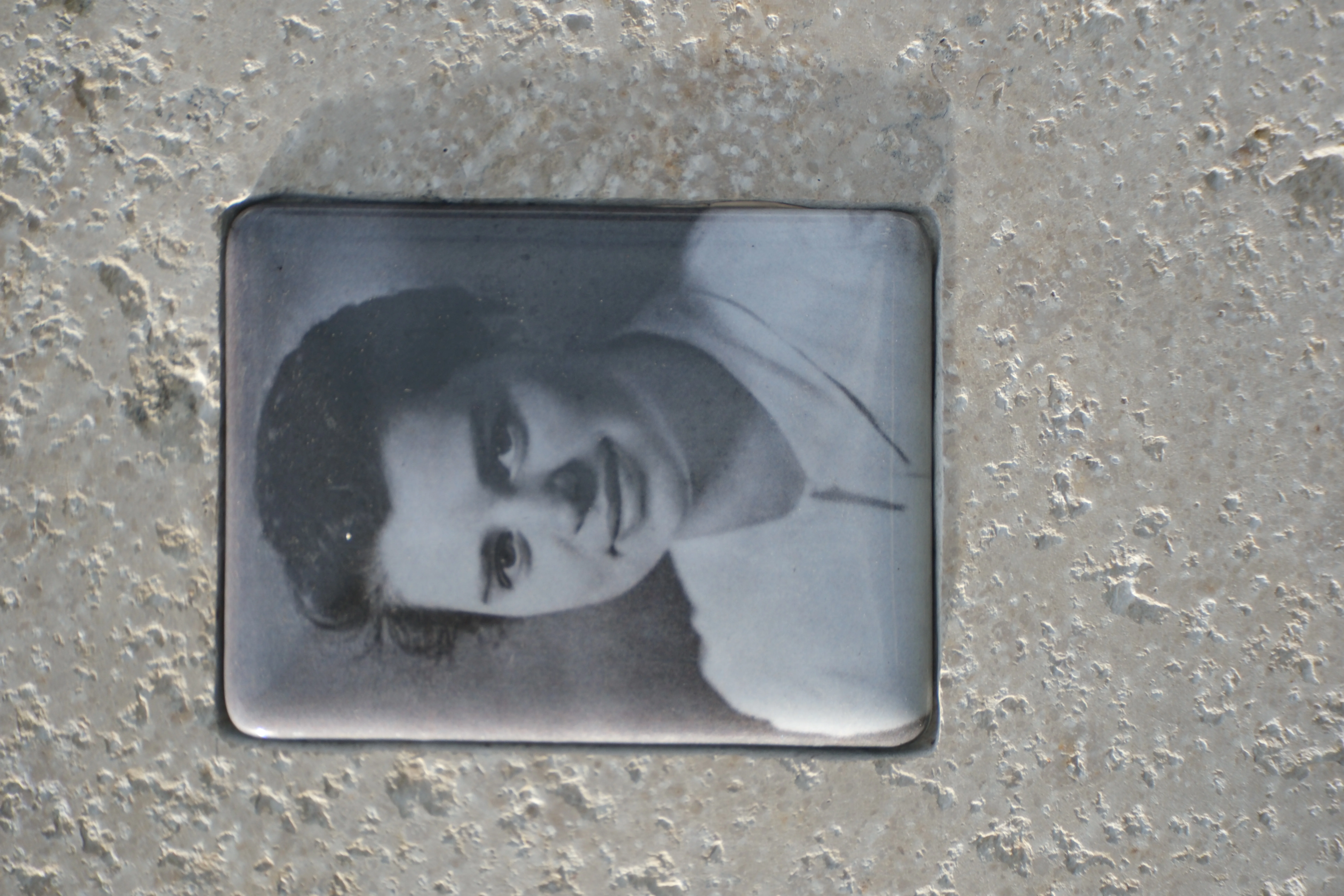
Image from Wikipedia
Image from Wikipedia
Maria Imma Mack: A Quiet Heroine with Extraordinary Courage
A Life Story Anchored in Faith, Conscience, and Silent Grandeur
Maria Imma Mack, born as Josefa Mack on February 10, 1924, in Möckenlohe near Eichstätt and passed away on June 21, 2006, in Munich, is among the remarkable female biographies of the 20th century. As a nun of the Congregation of the Poor School Sisters of Our Lady, she embodied a form of conviction that was not aimed at public recognition but at providing tangible help in obscurity. Her name is still associated with civil courage, humanity, and a determined will to support others under life-threatening conditions. ([deutsche-digitale-bibliothek.de](https://www.deutsche-digitale-bibliothek.de/person/gnd/113520522?utm_source=openai))
In the public memory, Maria Imma Mack is primarily remembered for her secret engagement in aiding prisoners of the Dachau concentration camp. Under the alias "Mädi," she provided prisoners with food, letters, and liturgical items. This form of assistance was not a symbolic act but a risky, practiced solidarity in the shadow of Nazi persecution. ([schulschwestern.de](https://schulschwestern.de/sr-imma-mack-maedi/?utm_source=openai))
Early Years and Calling
The biography of Maria Imma Mack begins in a rural setting in Bavaria, characterized by Catholic piety and the social structures of her time. At the age of 16, she entered the postulancy of the Poor School Sisters in Munich in 1940 and began her training as a needlework teacher. Her life choice came during a period when the National Socialists systematically restricted church and social freedoms. ([schulschwestern.de](https://schulschwestern.de/sr-imma-mack-maedi/?utm_source=openai))
The training center in Munich's Au was forcibly closed in January 1942. From that point on, Josefa, later Sr. Imma Mack, worked as an assistant in the orphanage of the School Sisters in Freising. Even this early chapter reveals a personality who understood responsibility not as a catchphrase but as everyday practice. Her religious career developed during a time of hardship and moral testing. ([schulschwestern.de](https://schulschwestern.de/sr-imma-mack-maedi/?utm_source=openai))
Secret Aid for Dachau
The most significant historical moment of her life was her covert support for the inmates of the Dachau concentration camp. Maria Imma Mack’s distribution of food, letters, and liturgical items points to a rare connection between practical charity and religious conviction. Helping prisoners was not only unwanted in the logic of the Nazi state but also dangerous. For this reason, her actions possess an exceptional moral stature to this day. ([schulschwestern.de](https://schulschwestern.de/sr-imma-mack-maedi/?utm_source=openai))
The alias "Mädi" symbolizes the caution with which she had to operate. At the same time, it underscores that her activities were not based on heroic gestures but on discretion, trust, and a deep sense of responsibility. In an era when compassion quickly became a danger, she engaged in a quiet yet determined form of resistance. This type of courage continues to resonate today because it was lived rather than staged. ([schulschwestern.de](https://schulschwestern.de/sr-imma-mack-maedi/?utm_source=openai))
Religious Life and Spiritual Stance
As a sister of the Poor School Sisters of Our Lady in Munich, Maria Imma Mack was part of a community that combined education, care, and religious practice. Her biography illustrates how intertwined religious life was with social work and educational engagement in 20th-century Bavaria. The spiritual discipline of the order provided the framework for her actions, but her personal decision to not ignore concrete need remained crucial. ([schulschwestern.de](https://schulschwestern.de/sr-imma-mack-maedi/?utm_source=openai))
It is precisely in the connection between faith and action that the special radiance of her life story lies. Maria Imma Mack represents an ethic that does not draw attention to itself but remains reliable in critical moments. Her story, therefore, not only belongs to the history of the religious order but also to the culture of remembrance surrounding Dachau and forms of silent resistance in Bavaria. ([deutsche-digitale-bibliothek.de](https://www.deutsche-digitale-bibliothek.de/person/gnd/113520522?utm_source=openai))
Impact, Memory, and Historical Context
The German Digital Library lists Maria Imma Mack under her full name Josefa Maria Imma Mack, indicating her place in Germany's cultural memory. Such entries demonstrate that her story is not only locally significant but also participates in broader archival and memorial contexts. The biographical transmission thus preserves an example of individual responsibility in a dictatorial regime. ([deutsche-digitale-bibliothek.de](https://www.deutsche-digitale-bibliothek.de/person/gnd/113520522?utm_source=openai))
The website of the Poor School Sisters describes her early years and the closure of the training center in January 1942, making the historical backdrop of her actions clear. From this perspective, Maria Imma Mack emerges as part of that generation that sought and utilized spaces for action in a time marked by coercion and fear. Her life's work lies not in public prominence but in the ethical consequences of her actions. ([schulschwestern.de](https://schulschwestern.de/sr-imma-mack-maedi/?utm_source=openai))
Biographical Key Data and Legacy
She was born on February 10, 1924, in Möckenlohe near Eichstätt and passed away on June 21, 2006, in Munich. These key dates mark a long life, whose historical core lies in the period of World War II. Her name remains associated with an act that uniquely combines courage, compassion, and a willingness to take risks. ([deutsche-digitale-bibliothek.de](https://www.deutsche-digitale-bibliothek.de/person/gnd/113520522?utm_source=openai))
Her legacy lies in the reminder that help remains possible even under threat. Maria Imma Mack shows how an individual can make a real difference for others through determination and conscience. This is precisely where the enduring fascination of her life story lies: it is a lesson in humanity that transcends the immediate historical situation. ([schulschwestern.de](https://schulschwestern.de/sr-imma-mack-maedi/?utm_source=openai))
Conclusion: Why Maria Imma Mack Resonates to This Day
Maria Imma Mack fascinates because her life embodies the strength of quiet conviction. She acted during a time when willingness to help was dangerous, and compassion was an act of resistance. Those who read her story encounter not a loud icon but a woman whose courage is extraordinary precisely in its humility. ([schulschwestern.de](https://schulschwestern.de/sr-imma-mack-maedi/?utm_source=openai))
She remains a name to remember when it comes to civil courage, conscience, and lived solidarity. Her story deserves to be told and remembered because it illustrates how much a person can achieve through steadfastness. Anyone interested in historical biographies and forms of resistance should read her life’s work as a lasting example. ([schulschwestern.de](https://schulschwestern.de/sr-imma-mack-maedi/?utm_source=openai))
Official Channels of Maria Imma Mack:
- Instagram: no official profile found
- Facebook: no official profile found
- YouTube: no official profile found
- Spotify: no official profile found
- TikTok: no official profile found