
Maria Imma Mack
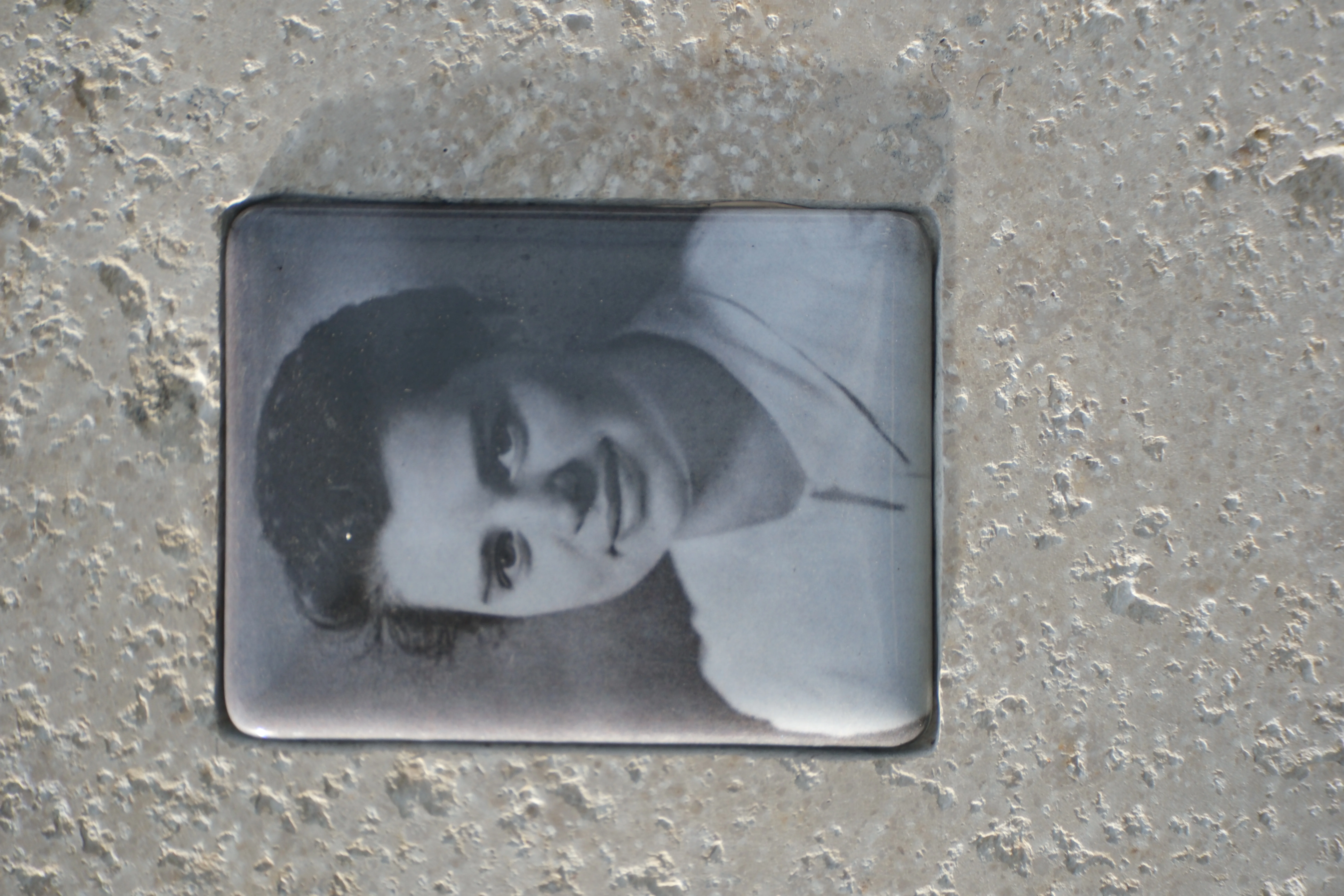
Image from Wikipedia
Image from Wikipedia
Maria Imma Mack – The Silent Heroine of Dachau
A nun whose courage quietly made history
Maria Imma Mack, born as Josefa Mack on February 10, 1924, in Möckenlohe near Eichstätt and died on June 21, 2006, in Munich, is one of those figures whose significance is not measured by public noise but by moral consistency. As a sister of the Congregation of the Poor School Sisters of Our Lady, she risked her life during the National Socialism to secretly bring food, letters, and liturgical items to prisoners of the Dachau concentration camp. Under the alias "Mädi," she became a quiet yet central helper in a system of violence. ([de.wikipedia.org](https://de.wikipedia.org/wiki/Maria_Imma_Mack?utm_source=openai))
Biographical roots between Möckenlohe, Freising, and Munich
Josefa Mack grew up in Upper Bavaria and entered the postulancy of the Poor School Sisters in 1940. As a teenager, she began her journey in a religious environment that shaped her future life, and from 1942 she worked as an assistant in the order's children's home in Freising. These early stages showcase a biography driven by education, discipline, and social responsibility long before her name became linked with Dachau. ([de.wikipedia.org](https://de.wikipedia.org/wiki/Maria_Imma_Mack?utm_source=openai))
Her affiliation with the order brought her into a community that was deeply rooted in the Munich area. In 1945, she entered the novitiate of the congregation and adopted the religious name Maria Imma. Thus, Josefa Mack transformed into Sister Imma Mack – a nun whose life was henceforth shaped by spiritual calling and historical validation. ([de.wikipedia.org](https://de.wikipedia.org/wiki/Maria_Imma_Mack?utm_source=openai))
The alias "Mädi" and the dangerous path to Dachau
The historical significance of Maria Imma Mack primarily lies in her clandestine assistance to prisoners of the Dachau concentration camp. In 1944, she received her first assignment to purchase plants and flowers from the camp's gardens; from this seemingly harmless activity developed a dangerous means of communication through which she could connect with inmates. According to the congregation's records, she traveled to Dachau around 60 times until the end of the war, often by bicycle and sometimes on foot during winter with a sled, bringing along gifts, including communion wine, hosts, and later even holy oils and consecration texts. ([de.wikipedia.org](https://de.wikipedia.org/wiki/Maria_Imma_Mack?utm_source=openai))
Her provision of not only material support but also pastoral care gives her actions a unique historical depth. The Dachau Memorial Site describes her as a nun who was able to help many prisoners, especially Polish clergymen. In an environment that aimed for dehumanization, she combined compassion with risk and became one of the quiet yet unwavering figures of resistance. ([kz-gedenkstaette-dachau.de](https://www.kz-gedenkstaette-dachau.de/kurzbiografie/kurzbiografie-imma-mack/?utm_source=openai))
Courage without pathos: What makes her aid so extraordinary
Maria Imma Mack does not represent spectacular gestures but stands for persistent, repeated help under the threat of death. This is precisely where the greatness of her biography lies: she did not act just once, but time and again, organized, determined, and in close moral connection to her faith. Her story illustrates what civil courage could look like in the everyday life of Nazi terror when a single person took responsibility over several months. ([schulschwestern.de](https://schulschwestern.de/josefa-mack-maedi-engel-von-dachau-schwester-maria-imma-mack/?utm_source=openai))
Her later silence about these undertakings is also part of her legacy. It is recorded that she did not stage these life-threatening endeavors as heroic feats but considered them as an understood aid for people who were starving and suffering. This attitude explains why Maria Imma Mack is still regarded as a credible witness of active charity in memorial contexts today. ([schulschwestern.de](https://schulschwestern.de/sr-imma-mack-maedi/?utm_source=openai))
Post-war period, religious life, and lasting memory
After the war, Maria Imma Mack lived from 1948 in the convent at Mariahilfplatz in Munich. She remained there until her death in 2006 and was perceived as a role model within the community of the Poor School Sisters as well as in the public remembrance of Dachau. The combination of monastic continuity and historical memory gives her life a rare coherence. ([hallo-muenchen.de](https://www.hallo-muenchen.de/muenchen/ost/engel-2408188.html?utm_source=openai))
The fact that her memory has not faded is evidenced by various forms of recognition: the Dachau Memorial Site maintains a brief biography, local reports remember her as the "Angel of Dachau," and there is also a memorial plaque in Möckenlohe. Such signs of remembrance make it clear that her biography reaches far beyond the history of the order and has entered into both local and national cultural memory. ([kz-gedenkstaette-dachau.de](https://www.kz-gedenkstaette-dachau.de/kurzbiografie/kurzbiografie-imma-mack/?utm_source=openai))
Public perception and historical categorization
Maria Imma Mack is among that group of women whose contributions to the history of resistance have often only been fully recognized much later. Her scope of action did not arise from institutional power but from determination, loyalty, and improvisational ability. For this reason, she is an important figure for understanding female agency during the period of National Socialism. ([kz-gedenkstaette-dachau.de](https://www.kz-gedenkstaette-dachau.de/kurzbiografie/kurzbiografie-imma-mack/?utm_source=openai))
The categorization of her biography also shows how closely religious practice and humanitarian aid were linked in Dachau. Liturgical items, letters, and food were not just aid materials but symbols of dignity, remembrance, and spiritual closeness. In this connection between practical action and spiritual solidarity lies the enduring historical impact of Sister Imma Mack. ([schulschwestern.de](https://schulschwestern.de/josefa-mack-maedi-engel-von-dachau-schwester-maria-imma-mack/?utm_source=openai))
Current projects, publications, and reception
As a historical figure, Maria Imma Mack has no current artistic projects or new publications in the sense of a music or media career. Her presence in 2026 primarily consists of ongoing recognition through memorial sites, church publications, and regional remembrance culture. Recent sources indicate that her life continues to be documented and publicly remembered in the context of Dachau. ([kz-gedenkstaette-dachau.de](https://www.kz-gedenkstaette-dachau.de/kurzbiografie/kurzbiografie-imma-mack/?utm_source=openai))
Discography, charts, and cultural influence
A discography, chart successes, or musical reception do not exist for Maria Imma Mack, as she was not a musician but rather a nun and a helper in the resistance. Her "work" consists in moral practice, not in recordings or stage performances. Nevertheless, her biography carries cultural influence: she stands for civil courage, religiously motivated humanity, and the courage to remain humane in a system of violence. ([de.wikipedia.org](https://de.wikipedia.org/wiki/Maria_Imma_Mack?utm_source=openai))
Conclusion: Why Maria Imma Mack continues to inspire today
Maria Imma Mack fascinates because her life shows how great an impact can be made in secrecy. She combined faith, consistency, and practical help into a form of resistance that demands respect to this day. Anyone who engages with the history of Dachau, the courage of individuals, and the power of lived charity will encounter an extraordinary personality in her. ([kz-gedenkstaette-dachau.de](https://www.kz-gedenkstaette-dachau.de/kurzbiografie/kurzbiografie-imma-mack/?utm_source=openai))
Her legacy remains relevant: remembrance needs faces, and Maria Imma Mack is one of them. Those who wish to deepen their understanding of her story should visit the places of her biography and view the memorials that commemorate her as living testimonies of historical responsibility. ([kz-gedenkstaette-dachau.de](https://www.kz-gedenkstaette-dachau.de/kurzbiografie/kurzbiografie-imma-mack/?utm_source=openai))
Official channels of Maria Imma Mack:
- Instagram: No official profile found
- Facebook: No official profile found
- YouTube: No official profile found
- Spotify: No official profile found
- TikTok: No official profile found