
Maria Imma Mack
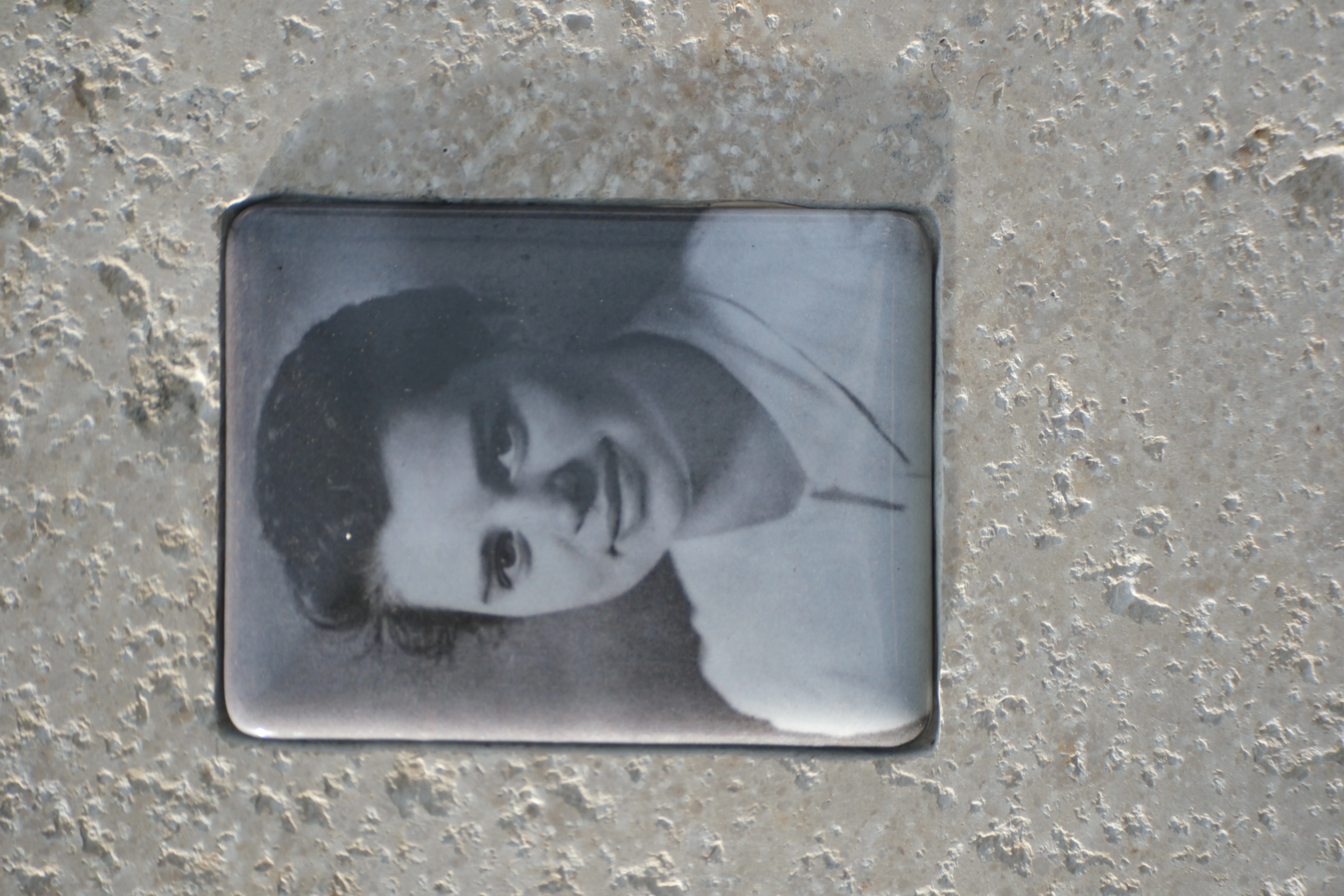
Image from Wikipedia
Image from Wikipedia
Maria Imma Mack: Courage, Conscience, and Living Charity in the Shadow of Dachau
A nun who preserved humanity in the greatest danger
Maria Imma Mack, born on February 10, 1924, as Josefa Mack in Möckenlohe near Eichstätt and died on June 21, 2006, in Munich, is one of the most remarkable German witnesses of the ecclesiastical resistance against the Nazi regime. As a nun of the Congregation of the Poor School Sisters of Our Lady in Munich, she secretly assisted inmates of the Dachau concentration camp with food, letters, and liturgical items. Her work stands for civil courage, spiritual steadfastness, and an extraordinary form of lived solidarity. ([de.wikipedia.org](https://de.wikipedia.org/wiki/Maria_Imma_Mack?utm_source=openai))
Biographical roots between Upper Bavaria and religious vocation
Josefa Mack grew up in a family of craftsmen and joined the circle of the Poor School Sisters as a teenager. Sources from ecclesiastical and urban contexts indicate that she became a candidate of the congregation in 1940 and worked as an assistant at the convent's children's home in Freising from 1942. These early years depict a young woman whose life path was shaped by religious commitment, social responsibility, and the daily life of a Catholic religious community. ([de.wikipedia.org](https://de.wikipedia.org/wiki/Maria_Imma_Mack?utm_source=openai))
The later name change to Sister Maria Imma marks not only her entry into the religious world but also a biographical turning point associated with the end of the war and the beginning of a long life as a nun. The city of Munich explains in its description of the Imma-Mack-Weg that from May 1944 to April 1945, she regularly supplied inmates of the Dachau concentration camp at great personal risk and maintained contact with family members through smuggled letters. This is not a peripheral aspect of her life but the core of her historical legacy. ([stadt.muenchen.de](https://stadt.muenchen.de/infos/imma-mack-weg.html?utm_source=openai))
The dangerous path to Dachau
Her activities around the concentration camp began with a seemingly harmless assignment: she was to purchase plants and flowers at the Dachau concentration camp's garden. This very path opened her eyes to the realities behind the camp fence. According to multiple sources, she recognized the plight of the inmates and decided to smuggle in food, medicine, hosts, altar wine, and candles. ([de.wikipedia.org](https://de.wikipedia.org/wiki/Maria_Imma_Mack?utm_source=openai))
Particularly impressive is the regularity of her involvement. Week after week, she traveled from Freising to Dachau, biking in summer and using a sled in winter. This recurring journey was not only logistical support but also a silent form of resistance against dehumanization and terror. The code name "Mädi" protected her outwardly, but the risk remained real: the city of Munich explicitly points out that she knew that providing such help could result in the death penalty. ([de.wikipedia.org](https://de.wikipedia.org/wiki/Maria_Imma_Mack?utm_source=openai))
Help for inmates, contact with the outside world, and spiritual support
Maria Imma Mack provided the prisoners not only with food but also with items essential for their spiritual practice and sense of dignity. Available sources particularly mention hosts, altar wine, and candles; she also facilitated letters sent out of the camp. In doing so, she helped maintain the connection between inmates and their families and preserved human closeness even under inhumane conditions. ([donaukurier.de](https://www.donaukurier.de/lokales/landkreis-eichstaett/adelschlag-gedenkt-seiner-grossen-tochter-schwester-imma-mack-15404816?utm_source=openai))
Some accounts also emphasize her role in the context of Karl Leisner. The publisher's note for her book "Warum ich Azaleen liebe" describes her as having a crucial function in organizing his ordination. Although the focus of her work remained on aiding the Dachau inmates, this reference illustrates how closely her commitment was intertwined with the spiritual and resistant network surrounding the camp. ([librairietequi.com](https://librairietequi.com/un-ange-a-dachau.html?utm_source=openai))
Post-war life, order, and public memory
After the war, she fully entered the order and adopted the name Maria Imma. She remained connected to her spiritual environment and was later honored in various forms of remembrance, including the Imma-Mack-Weg in Munich, named after her. Such namings are more than mere honors: they anchor her story in public space and make civil courage visible in the urban landscape. ([stadt.muenchen.de](https://stadt.muenchen.de/infos/imma-mack-weg.html?utm_source=openai))
She also received lasting attention in her home region. The Donaukurier reported in 2024, on her 100th birthday, about a memorial plaque in Adelschlag and recounted her courage, her origins, and her commitment to the inmates of Dachau. The Deutsche Digitale Bibliothek lists her as a nun with the work "Warum ich Azaleen liebe" and thus refers to the written legacy of her remembrance. This creates the image of a woman whose biography lives on not only in the context of the camp but also in cultural memory. ([donaukurier.de](https://www.donaukurier.de/lokales/landkreis-eichstaett/adelschlag-gedenkt-seiner-grossen-tochter-schwester-imma-mack-15404816?utm_source=openai))
Written testimony and historical significance
A central component of her posthumous reputation is the book "Warum ich Azaleen liebe," which recalls her trips to the Garten of the Dachau concentration camp from May 1944 to April 1945. The title itself seems quiet and unassuming, yet behind it lies a narrative of danger, hope, and practical mercy. As a source for the historical perception of this life story, the work possesses special value because it intertwines personal memory with the lens on a central crime of National Socialism. ([librairietequi.com](https://librairietequi.com/un-ange-a-dachau.html?utm_source=openai))
In ecclesiastical honors, Maria Imma Mack is described as a role model for young people who stand up against injustice and act out of faith. This classification emphasizes her authority as a witness and moral authority. At the same time, her significance remains concrete and tangible: she acted not abstractly, but with bread, letters, altar wine, and courage. It is precisely in this that her historical greatness lies. ([bistum-eichstaett.de](https://www.bistum-eichstaett.de/news-details/news/bewegt-vom-heiligen-geist-menschen-die-etwas-bewegen/?utm_source=openai))
Cultural influence and lasting memory
Maria Imma Mack is part of a memory culture that makes the Dachau concentration camp not only a site of terror but also one of isolated, life-threatening help. Events, memorial sites, and ecclesiastical publications keep her story present and align it with other testimonies of resistance and Christian charity. Her biography thus has a dual significance: it is a personal life story and simultaneously part of public German memory. ([dachau.de](https://www.dachau.de/kultur/veranstaltungen/dachauer-symposium.html?utm_source=openai))
Her example is particularly powerful because it does not rely on spectacular gestures but on consistency in everyday life. It is precisely this quiet permanence that makes her story so compelling. Maria Imma Mack represents a form of courage that is tested through the repetition of small actions, thus touching lives. In the culture of remembrance surrounding Dachau, she holds a secure place as a woman who defended humanity at the risk of her life. ([stadt.muenchen.de](https://stadt.muenchen.de/infos/imma-mack-weg.html?utm_source=openai))
Conclusion: Why Maria Imma Mack continues to inspire today
Maria Imma Mack fascinates because her biography makes the power of conscience visible in a time of violence. She combined faith, compassion, and action into an attitude that still elicits respect today. Those who engage with her story encounter a woman whose courage was not loud but exceptionally effective. Her life serves as a reminder of how much humanity a single person can preserve even in the darkest times. ([de.wikipedia.org](https://de.wikipedia.org/wiki/Maria_Imma_Mack?utm_source=openai))
For this reason, her work deserves attention, remembrance, and transmission. Her story belongs in schools, memorial sites, and family narratives as it shows what responsibility means in critical situations. Those who visit the historical sites around Dachau or engage with her book experience not just a biography but a legacy of hope. ([deutsche-digitale-bibliothek.de](https://www.deutsche-digitale-bibliothek.de/person/gnd/113520522?utm_source=openai))
Official channels of Maria Imma Mack:
- Instagram: No official profile found
- Facebook: No official profile found
- YouTube: No official profile found
- Spotify: No official profile found
- TikTok: No official profile found
Sources:
- Wikipedia – Maria Imma Mack
- State Capital Munich – Imma-Mack-Weg
- Donaukurier – Adelschlag remembers its great daughter Sister Imma Mack
- Diocese of Eichstätt – Sr. Imma Mack, a courageous nun
- German Digital Library – Josefa Maria Imma Mack
- Archdiocese of Munich and Freising – Midday Meditations in Mariahilf
- Archdiocese of Munich and Freising – Parish Newsletter Mariahilf-Au
- City of Dachau – March for Martyrs 2025