
Maria Imma Mack
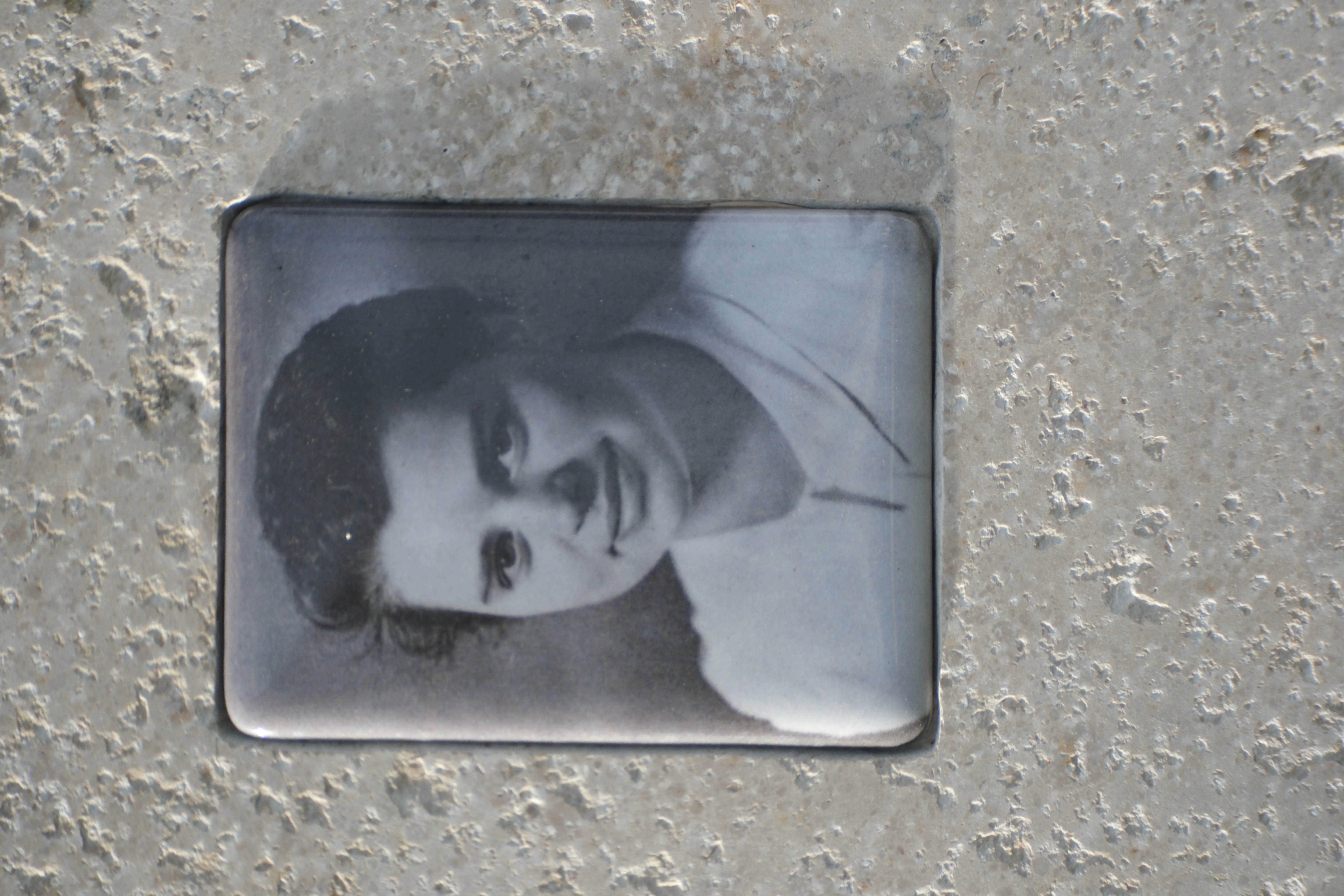
Image from Wikipedia
Image from Wikipedia
Maria Imma Mack – The Quiet Heroine of Dachau, Whose Courage Made History
A Life Between Calling, Resistance, and Lived Humanity
Maria Imma Mack, born Josefa Mack on February 10, 1924, in Möckenlohe near Eichstätt and died on June 21, 2006, in Munich, is regarded as one of the most impressive religious women in modern German history. She became known as a sister of the Congregation of the Poor School Sisters of Our Lady, who, under the cover name "Mädi," secretly provided food, letters, and liturgical items to inmates of the Dachau concentration camp. Her life represents courage, compassion, and a consistently lived Christian responsibility in the face of Nazi terror. ([de.wikipedia.org](https://de.wikipedia.org/wiki/Maria_Imma_Mack))
Biographical Roots: From Village Girl to Nun
Josefa Mack grew up during a time when political radicalization and violence increasingly defined life in Germany. Early on, she felt drawn to faith and entered the Order of the Poor School Sisters in 1940 as a candidate; by 1942, she was already working as an assistant in the order's children's home in Freising. Her training was interrupted by the forced closure of the seminary by the Nazis, but these disruptions led her into a role that would later prove historically significant. ([selige-kzdachau.de](https://www.selige-kzdachau.de/index.php/neuigkeiten/2025/josefa-mack))
The path into the order was not merely a personal decision, but an expression of a deep spiritual conviction. At the age of 16, she began her training at the needlework teachers' seminary of the order founded in 1833 in Munich-Au. When the seminary closed in 1942, she moved to the convent of St. Klara in Freising, where her later protective and helper role was already emerging: as a young woman who observes attentively, empathizes, and acts. ([selige-kzdachau.de](https://www.selige-kzdachau.de/index.php/neuigkeiten/2025/josefa-mack))
The Turning Point: Dachau and the Decision for Risk
In May 1944, Josefa Mack received what initially seemed like a harmless assignment to purchase flowers from the horticultural department of the Dachau concentration camp. Her first contact with the inmates left a lasting impression as she directly perceived their suffering and exhaustion. From this encounter, she did not take a distanced observational stance but made a decisive commitment to action: she began smuggling food, hosts, and altar wine into the camp and carried letters out. ([gerhardinger.org](https://gerhardinger.org/about/history/history-sister-m-imma-mack/))
Between May 1944 and April 1945, she traveled to Dachau weekly, in summer by bicycle and in winter by a sled that she pulled. These trips were undertaken at great personal risk, as the death penalty awaited those caught smuggling letters. It is in this determination that her extraordinary blend of inner clarity, practical discipline, and moral steadfastness becomes evident. ([de.wikipedia.org](https://de.wikipedia.org/wiki/Maria_Imma_Mack))
“Mädi”: The Alias of a Conscience Movement
Among the inmates, she was known as “Mädi,” later also as the “Angel of Dachau.” The alias served as both a disguise and a symbol of trust: it protected her while also representing the quiet, almost invisible form of resistance she embodied. The fact that she “did these things in silence” and spoke little of her experiences underscores the credibility of her actions and the sobriety of her character. ([gerhardinger.org](https://gerhardinger.org/about/history/history-sister-m-imma-mack/))
Her assistance became particularly significant in the context of the clandestine ordination of Karl Leisner. She smuggled liturgical items such as hosts, altar wine, candles, oils, and vestments into the camp, thereby enabling the ordination to take place under the conditions of the concentration camp. This episode establishes Maria Imma Mack as a key figure in one of the most extraordinary religious events of the Nazi era. ([de.wikipedia.org](https://de.wikipedia.org/wiki/Maria_Imma_Mack))
Postwar Period, Religious Life, and Written Legacy
After the war, she entered the novitiate in 1945 and took on the religious name Maria Imma; she made her profession in 1946. Later, she passed the master’s exam for dressmaking in 1951, demonstrating that her life was characterized not only by moral courage but also by craftsmanship and organizational competence. She lived in the Anger Convent in Munich until her death. ([de.wikipedia.org](https://de.wikipedia.org/wiki/Maria_Imma_Mack))
In 1989, she published her memoirs under the title Warum ich Azaleen liebe. The book consolidates her experiences during the Nazi regime and preserves a personal testimony of civil courage, religious conviction, and humanity. In doing so, she left not only a biographical trace but also a historical document of significant source value. ([de.wikipedia.org](https://de.wikipedia.org/wiki/Maria_Imma_Mack))
Awards and Late Recognition
Public recognition came gradually over the years. In 2001, she received the “München leuchtet” award, in 2004 she was honored as a Dame of the French Legion of Honor, and in 2005 followed the Federal Cross of Merit 1st Class and the Pro Ecclesia et Pontifice Cross. She had already been awarded the Bavarian Order of Merit in 1986. These honors reflect how highly her deeds and moral legacy were ultimately valued. ([domradio.de](https://www.domradio.de/artikel/vor-100-jahren-wurde-die-ordensfrau-imma-mack-geboren))
Her memory has also remained visible: In Freising, Ingolstadt, Eching, Munich, and her hometown Möckenlohe, places, paths, and institutions bear her name. In 2024, a commemorative plaque will be placed on the cemetery wall in Möckenlohe in honor of her 100th birthday. Such memorial sites transform individual biography into collective memory and keep her story present across generations. ([de.wikipedia.org](https://de.wikipedia.org/wiki/Maria_Imma_Mack))
Cultural Impact: Why Maria Imma Mack Remains Important Today
Maria Imma Mack embodies a form of resistance that does not rely on grand gestures, but on daily consistency. Her actions unite spirituality, courage, and concrete assistance, and therein lies her historical power. She exemplifies those quiet helpers whose contributions often become visible only late, overshadowed by the larger narratives of war. ([gerhardinger.org](https://gerhardinger.org/about/history/history-sister-m-imma-mack/))
Her story has particular relevance today, as it shows how empathy transforms into action. The connection between faith, responsibility, and risk makes her an impressive figure in the culture of remembrance in Bavaria and beyond. Anyone examining Dachau, ecclesiastical resistance, or female civil courage cannot overlook Maria Imma Mack. ([bistum-eichstaett.de](https://www.bistum-eichstaett.de/news-details/news/bewegt-vom-heiligen-geist-menschen-die-etwas-bewegen/))
Conclusion: A Woman Whose Courage Shines Beyond Her Time
Maria Imma Mack fascinates because her life makes the power of quiet resistance visible. She acted without pathos, without staging, yet with enormous impact: for inmates, for fellow human beings, and for historical memory. Those who know her story understand how conscience becomes history. A visit to the places of her remembrance or a deeper engagement with her life is worthwhile in every case. ([gerhardinger.org](https://gerhardinger.org/about/history/history-sister-m-imma-mack/))
Voices of the Fans
No official social media profiles found; therefore, no fan quotes or social media reactions displayed.
Official Channels of Maria Imma Mack:
- Instagram: no official profile found
- Facebook: no official profile found
- YouTube: no official profile found
- Spotify: no official profile found
- TikTok: no official profile found
Sources:
- Wikipedia – Maria Imma Mack
- SSND Congregational Website – Sister M. Imma Mack
- Bistum Eichstätt – Moved by the Holy Spirit: People Who Make a Difference
- DOMRADIO.DE – 100 Years Ago, the Nun Imma Mack Was Born
- Blessed KZ Dachau – Josefa Mack
- ver.di Kultur – Josefa Mack (PDF)
- Wikipedia: Image and Text Source