
Maria Imma Mack
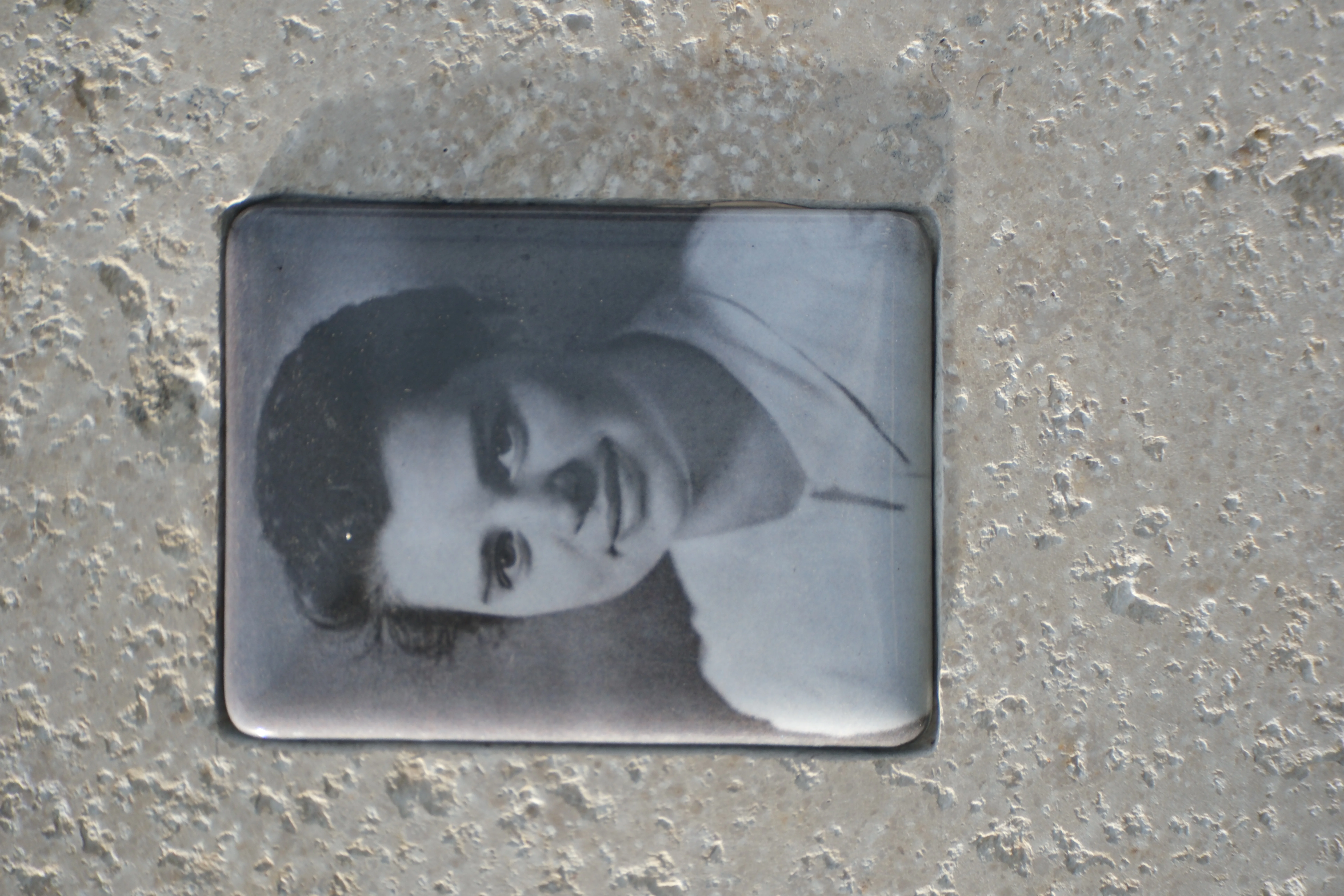
Image from Wikipedia
Image from Wikipedia
Maria Imma Mack: Courage, Conscience, and Quiet Grandeur in the Shadow of History
An Extraordinary Biography of Faith, Resistance, and Humanity
Maria Imma Mack, born on February 10, 1924, as Josefa Mack in Möckenlohe near Eichstätt, is one of those personalities whose life transcends a classic religious biography. Her name stands for civil courage, charity, and determined action in the face of Nazi terror. She is best known for her secret trips to the Dachau concentration camp, where she provided inmates with food, letters, and liturgical items.
Her life powerfully demonstrates how closely personal conviction, religious stance, and historical resistance can be intertwined. What appeared outwardly modest and unremarkable unfolded an enormous moral strength in retrospect. Maria Imma Mack thus became a woman whose impact extended far beyond her own religious life.
Early Years in Möckenlohe: Influenced by Family and Historical Context
Josefa Mack grew up in a family that rejected Nazism early on. This stance shaped her, as did her environment in the Upper Palatinate and the Catholic world of her youth. At the age of 16, she chose to enter the candidacy of the Poor School Sisters of Our Lady in Munich, a step that would permanently define her spiritual and social orientation.
In 1940, she began training to become a needlework teacher. However, political circumstances drastically interfered with her life plan: In January 1942, the training institution in Munich's Au was forcibly shut down by the Nazis. The young candidate became an assistant in the children’s home of the school sisters in Freising St. Klara. This marked the beginning of a chapter in her life that would later make her unforgettable.
The Dachau Trips: Secret Help at the Risk of Life
In the vicinity of the Dachau concentration camp, Josefa Mack did not perceive the reality of suffering from a distance, but rather firsthand. She witnessed the misery of the inmates and resolved to take action. Starting in May 1944, she smuggled medications, food, host wafers, and altar wine into the camp hidden among flowers. The route from Freising to Dachau was arduous, and train connections were unfavorable, which is why she also used her bicycle and, in winter, a sled.
These trips demanded not only organizational savvy but, above all, inner steadfastness. Mack remained silent about her actions for a long time and later described her situation with remarkable sobriety. This very silence continues to amplify the weight of her deeds today: no self-promotion, no pathos, but consistent help in secrecy.
Karl Leisner and the Unique Historical Significance of Her Actions
Mack's commitment became especially significant in connection with the inmate Karl Leisner, who was interned in the priests' block of Dachau. Through her assistance, he received the necessary documents, liturgical items, and materials critical for an extraordinary moment in church history. Hidden in a flower basket, she brought those items into the camp that enabled Leisner’s secret priestly ordination.
In 1944, Karl Leisner was able to receive the priesthood in the concentration camp and celebrated his first Mass shortly before his death. Maria Imma Mack thus contributed to an event that remains singular: the only priestly ordination ever to take place in a concentration camp. In this context, it becomes evident how much her quiet assistance gained a historical dimension.
Religious Life After the War: Humility instead of Public Self-Promotion
After the war, Josefa Mack entered the novitiate of the Poor School Sisters and received the religious name Sr. Maria Imma Mack. Her subsequent life was marked by modesty and service. She initially lived and worked in Garmisch, later in Munich's Au as a needlework teacher.
She passed away on June 21, 2006, in Munich, surrounded by her fellow sisters. Those who knew her personally described her as a simple, amiable, and cheerful religious sister with an open heart. It is this combination of humility and historical grandeur that makes her biography so impressive.
Late Remembrance and Written Testimony
For a long time, Maria Imma Mack remained silent about her journeys to Dachau. It was not until 1989 that she recorded her memories in the book “Why I Love Azaleas.” This provided a documentary framework for her actions, connecting personal experience with historical memory.
The work points to a life not characterized by self-promotion but by responsibility. It makes palpable the inner stance of this sister: to maintain hope when fear is imminent and to uphold humanity when the system seeks to destroy all that is human. From this perspective, her written testimony becomes an important part of her life story.
Awards and Public Recognition
For her courageous and selfless efforts, Sr. Imma Mack received numerous awards. These include the Bavarian Order of Merit, the Federal Cross of Merit (1st Class), and the Cross of Honor Pro Ecclesia et Pontifice. She was also inducted as a femme chevalier into the French Legion of Honor.
These honors demonstrate how strongly her actions were recognized institutionally. They do not signify fame in the conventional sense but represent acknowledgment of a life’s achievement that was fundamentally rooted in courage, loyalty, and humanity. As a result, Maria Imma Mack became a moral reference figure far beyond her religious context.
Impact and Cultural Significance
Maria Imma Mack embodies a form of resistance that is quiet, practical, and deeply humane. Her story exemplifies those women who provided concrete help in the shadows of great political events, thereby protecting lives. In hindsight, it becomes clear that historical relevance does not arise solely from public speeches or spectacular deeds but often from the sum of quiet decisions.
Her biography continues to resonate today because it cannot be told from a distance. It connects ecclesiastical history, memory work, and ethical steadfastness. In an era where courage is often loudly staged, her example remains a benchmark for attitude without pose.
Conclusion: Why Maria Imma Mack Continues to Fascinate
Maria Imma Mack fascinates through the rare combination of humility and historical significance. She acted out of conviction without placing herself at the center and demonstrated human greatness in one of the darkest epochs of the 20th century. Her life stands for lived responsibility, for faith with consequence, and for the courage to help where assistance was life-threatening.
Whoever knows her story recognizes in her a woman whose quiet determination continues to resonate. Her life path reminds us that dignity, conscience, and solidarity never lose their relevance. Encountering Maria Imma Mack means discovering an extraordinary historical figure whose legacy still deserves respect, reflection, and deep gratitude.
Official Channels of Maria Imma Mack:
- Instagram: no official profile found
- Facebook: no official profile found
- YouTube: no official profile found
- Spotify: no official profile found
- TikTok: no official profile found