
Maria Imma Mack
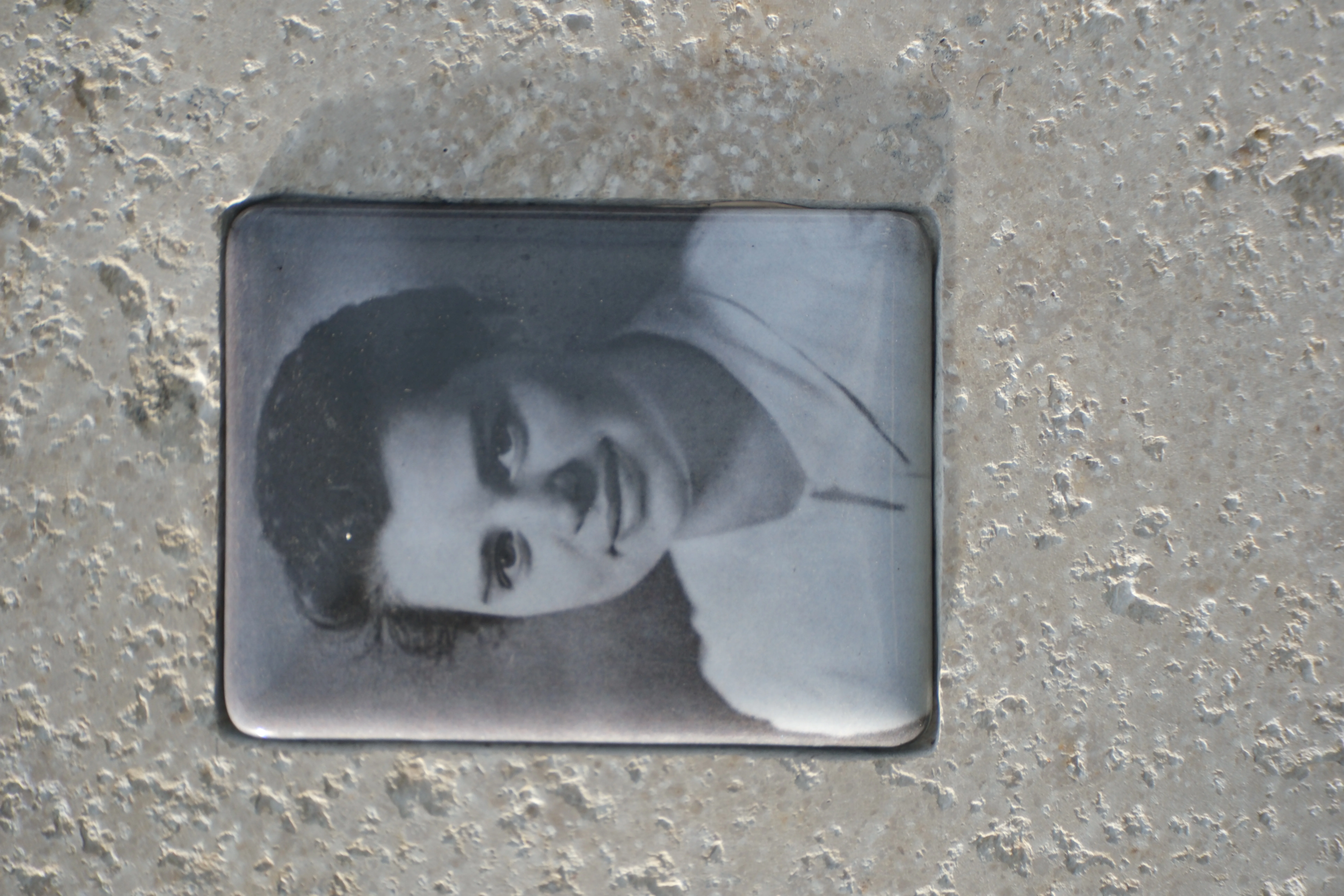
Image from Wikipedia
Image from Wikipedia
Maria Imma Mack – The Silent Heroine of Dachau and Her Courageous Life Journey
A nun who preserved humanity in dark times
Maria Imma Mack, born on February 10, 1924, as Josefa Mack in Möckenlohe near Eichstätt, is one of those personalities whose life story extends far beyond a single biography. As a sister of the Poor School Sisters of Our Lady in Munich, she became a secret helper for prisoners of the Dachau concentration camp under the alias "Mädi." Her name stands for civil courage, faithfulness, and the quiet yet determined strength of resistance against inhumane conditions. ([kz-gedenkstaette-dachau.de](https://www.kz-gedenkstaette-dachau.de/kurzbiografie/kurzbiografie-imma-mack/))
Early years: Origins, calling, and the path to the order
Josefa Mack grew up in a Catholic environment and entered the realm of religious life as a teenager. The official short biography from the Dachau Memorial describes her as a candidate of the Poor School Sisters, who was initially employed in the monastery's orphanage in Freising. This marked the beginning of a phase in her life characterized externally by simplicity, but internally by an extraordinary moral determination. ([kz-gedenkstaette-dachau.de](https://www.kz-gedenkstaette-dachau.de/kurzbiografie/kurzbiografie-imma-mack/))
The National Socialists forcibly closed the training facility for the school sisters in Munich's Au in January 1942. After that, Josefa Mack continued to work in Freising, where she directly experienced the horrors of the time and did not seek distance but took on responsibility. This early influence explains why a young nun candidate became a woman who was later willing to risk her own life for others. ([schulschwestern.de](https://schulschwestern.de/sr-imma-mack-maedi/))
The awakening of conscience: Encounter with the Dachau concentration camp
On May 16, 1944, Josefa Mack entered the garden of the Dachau concentration camp for the first time. There she witnessed the prisoners, especially the incarcerated priests, as people in extreme need, whose dignity was systematically threatened. This encounter did not mark a usual "career" moment but rather the decisive turning point of a life now defined by quiet help and dangerous solidarity. ([gerhardinger.org](https://gerhardinger.org/about/history/history-sister-m-imma-mack/))
From May 1944 until the end of April 1945, she traveled to Dachau weekly, according to the memorial, to shop for the monastery in Freising at the SS test product store "Kräutergarten." Under the alias "Mädi," she smuggled hosts, sacramental wine, candles, medications, and food into the camp. In retrospect, these actions seem simple, yet in the reality of the concentration camp, they represented a tremendous risk and a form of lived charity whose consequences are hard to overstate. ([kz-gedenkstaette-dachau.de](https://www.kz-gedenkstaette-dachau.de/kurzbiografie/kurzbiografie-imma-mack/))
Courage in secrecy: Aid for priest prisoners and Karl Leisner
Maria Imma Mack's support for the clergy imprisoned in the so-called priest block was especially significant. Sources emphasize that she primarily assisted Polish priests and maintained contact between the incarcerated and their families via smuggled letters. She acted quietly, driven by a sense of duty that she later rarely placed in the foreground. ([kz-gedenkstaette-dachau.de](https://www.kz-gedenkstaette-dachau.de/kurzbiografie/kurzbiografie-imma-mack/))
A central historical moment was her contribution to the secret ordination of Karl Leisner on December 17, 1944. Mack organized the necessary church forms and liturgical items; according to other reports, she also brought sacred oil and ordination texts into the camp. That this ordination was even able to take place in the concentration camp is also due to her efforts. Thus, her life story became inseparably linked with one of the most symbolically powerful religious events of the German Nazi era. ([kz-gedenkstaette-dachau.de](https://www.kz-gedenkstaette-dachau.de/kurzbiografie/kurzbiografie-imma-mack/))
Alias "Mädi": Invisible work with visible impact
The name "Mädi" symbolizes the disguise that enabled her to provide for prisoners without attracting immediate attention. According to the SSND community, she traveled to Dachau about 60 times until the end of the war or walked there in winter, pulling a sled with donations. The image of these journeys makes the harshness of her commitment tangible: no grand gesture, but repeated, disciplined, and life-threatening help. ([gerhardinger.org](https://gerhardinger.org/about/history/history-sister-m-imma-mack/))
Ferdinand Schönwälder, a prisoner who worked in the store, also helped to cover up the operation, according to the memorial site. This cooperation shows that Mack's actions were part of a small, courageous network where trust and loyalty became vital for survival. The moral core of this story lies precisely in the combination of monastic discipline, human empathy, and the courage to do what is right in the shadow of terror. ([kz-gedenkstaette-dachau.de](https://www.kz-gedenkstaette-dachau.de/kurzbiografie/kurzbiografie-imma-mack/))
After the war: Religious life, teaching, and modest presence
After the war, Maria Imma Mack joined the order and worked as a handicraft teacher at various schools in Bavaria. Her subsequent life path was deliberately calm and modest, without self-aggrandizement or public elevation. This modesty lends her biography a special credibility: she acted not for applause, but out of conviction. ([kz-gedenkstaette-dachau.de](https://www.kz-gedenkstaette-dachau.de/kurzbiografie/kurzbiografie-imma-mack/))
Later, she lived in Garmisch and in the Munich Au. She passed away on June 21, 2006, after a prolonged illness at the monastery in Munich. The city of Munich commemorates her with the Imma-Mack-Weg, which permanently anchors her story in public memory. ([kz-gedenkstaette-dachau.de](https://www.kz-gedenkstaette-dachau.de/kurzbiografie/kurzbiografie-imma-mack/))
Culture of remembrance and appreciation: A woman becomes a role model
Maria Imma Mack has been honored multiple times, including with the Federal Cross of Merit and the Bavarian Order of Merit. Additionally, the Republic of France inducted her into the Legion of Honor as a "femme chevalier." Such awards not only recognize her deeds but also the moral significance of a life that remained consistently human in a time of dehumanization. ([kz-gedenkstaette-dachau.de](https://www.kz-gedenkstaette-dachau.de/kurzbiografie/kurzbiografie-imma-mack/))
Moreover, religious and memorial-cultural institutions keep her memory alive. The Dachau memorial maintains a short biography, the Poor School Sisters community tells her story in detail, and a street in Munich has been named after her. These forms of commemoration show that her contributions are understood not as a footnote but as a significant part of the Dachau remembrance. ([kz-gedenkstaette-dachau.de](https://www.kz-gedenkstaette-dachau.de/kurzbiografie/kurzbiografie-imma-mack/))
Why Maria Imma Mack remains important today
Maria Imma Mack represents a type of heroism that is quiet, concrete, and deeply human. Her story connects religious life, moral decision-making, resistance, and compassion into a historical portrait of great clarity. Those who consider her life's work recognize how much impact a single person can make when standing firm in critical moments. ([kz-gedenkstaette-dachau.de](https://www.kz-gedenkstaette-dachau.de/kurzbiografie/kurzbiografie-imma-mack/))
For this reason, her biography remains compelling: it tells not of glory but of responsibility; not of loud self-assertion but of quiet consistency. Maria Imma Mack is among those women whose courage operated in secrecy and whose legacy continues to provide guidance today. A visit to the memorial sites in Dachau or a look at the Imma-Mack-Weg in Munich makes this story impressively tangible. ([kz-gedenkstaette-dachau.de](https://www.kz-gedenkstaette-dachau.de/kurzbiografie/kurzbiografie-imma-mack/))
Conclusion: Maria Imma Mack fascinates because she did not turn away in an extreme historical situation but acted. Her story serves as a lesson in civil courage, faith, and humanity under conditions of injustice. Anyone interested in memory culture should engage with her life and become acquainted with the places of her remembrance. ([kz-gedenkstaette-dachau.de](https://www.kz-gedenkstaette-dachau.de/kurzbiografie/kurzbiografie-imma-mack/))
Official channels of Maria Imma Mack:
- Instagram: No official profile found
- Facebook: No official profile found
- YouTube: No official profile found
- Spotify: No official profile found
- TikTok: No official profile found