
Maria Imma Mack
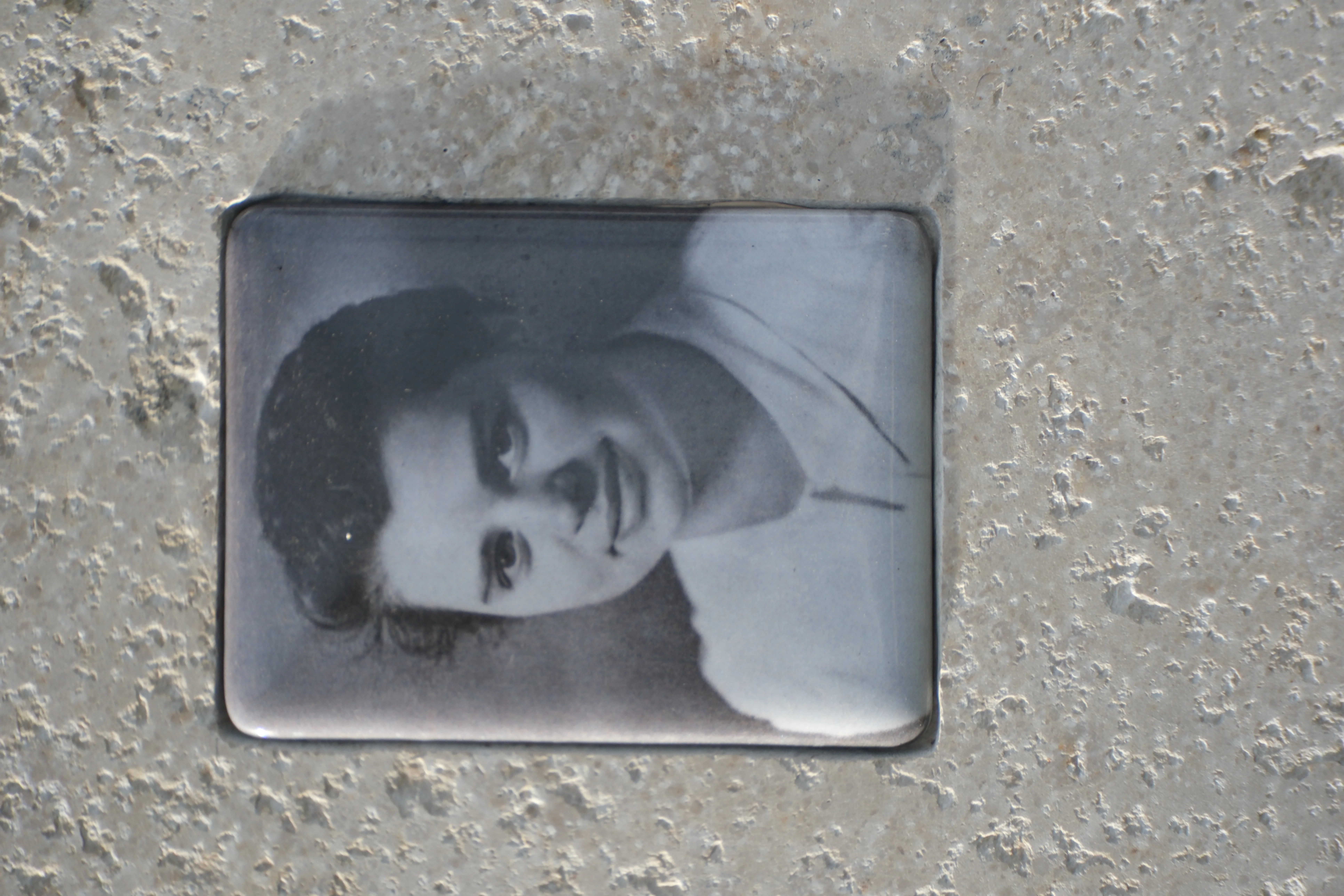
Image from Wikipedia
Image from Wikipedia
Maria Imma Mack – The Courageous Nun from Möckenlohe Who Preserved Humanity in the Shadow of Dachau
A Biography of Monastic Calling, Civil Courage, and Quiet Grandeur
Maria Imma Mack, born Josefa Mack on February 10, 1924, in Möckenlohe near Eichstätt, and died on June 21, 2006, in Munich, is one of the most impressive German testimonies of resistance grounded in Christian charity. As a sister of the Congregation of the Poor School Sisters of Our Lady in Munich, she became a clandestine helper for inmates of the Dachau concentration camp under the alias "Mädi," providing them with food, letters, and liturgical items. Her story represents courage without pathos, action in the face of danger, and a form of lived responsibility that resonates to this day. ([de.wikipedia.org](https://de.wikipedia.org/wiki/Maria_Imma_Mack?utm_source=openai))
Childhood, Calling, and the Path to the Order
Josefa Mack grew up in rural conditions and entered the candidacy of the Poor School Sisters in Munich at the age of 16. In 1940, she began her training as a sewing teacher there, before working from 1942 as an assistant in the order’s children's home in Freising. This early attachment to a monastic community profoundly shaped her life path and led her to a responsibility that extended far beyond the daily life of a young nun. ([schulschwestern.de](https://schulschwestern.de/sr-imma-mack-maedi/?utm_source=openai))
With her clothing and the religious name Maria Imma, her life took on a new, public, and yet hidden dimension. In the sources, she does not appear as a person of great self-presentation, but as a woman of action: silent, determined, and careful not to dramatize her perilous journeys. It is precisely this restraint that makes her biography particularly credible and human. ([schulschwestern.de](https://schulschwestern.de/sr-imma-mack-maedi/?utm_source=openai))
The Secret Journeys to Dachau
From May 1944 to the end of April 1945, Maria Imma Mack traveled weekly from Freising to the sales outlet of the SS test site "Kräutergarten" near Dachau to buy flowers and plants for the convent. These seemingly harmless errands evolved into a life-threatening service: through secret contacts, she was able to help inmates, particularly Polish clergy. She smuggled food, letters, and religious items into the camp, establishing connections that provided hope and concrete support to those imprisoned. ([kz-gedenkstaette-dachau.de](https://www.kz-gedenkstaette-dachau.de/kurzbiografie/kurzbiografie-imma-mack/?utm_source=openai))
The Dachau Memorial describes her as a nun who was able to help many inmates through secret contacts. The fact that she knowingly took on enormous risks is central to her significance: even the smuggling of letters could be punishable by death. Nonetheless, Maria Imma Mack chose to take action, transforming the quiet route between the convent and the camp into a path of solidarity. ([kz-gedenkstaette-dachau.de](https://www.kz-gedenkstaette-dachau.de/kurzbiografie/kurzbiografie-imma-mack/?utm_source=openai))
"Mädi" and the Human at the Center of Her Actions
The alias "Mädi" has come to symbolize her role as an inconspicuous yet indispensable helper. With this name, she was able to operate without being in the limelight; at the same time, she preserved her activities from too open a discovery. It is precisely in this that the historical significance of her biography lies: she combined monastic obedience, practical wisdom, and a deep sense of responsibility toward people in extreme need. ([de.wikipedia.org](https://de.wikipedia.org/wiki/Maria_Imma_Mack?utm_source=openai))
Reports from the community of the School Sisters and memorial work portray her as a woman who spoke little about her journeys, even though she was at the center of a highly dangerous aid structure. The journey from Freising to Dachau was arduous, the train connection poor, yet she remained reliable. This reliability became the true signature of her work: no grand manifesto, but repeated, concrete assistance. ([schulschwestern.de](https://schulschwestern.de/sr-imma-mack-maedi/?utm_source=openai))
Historical Context and Cultural Significance
Maria Imma Mack is part of a group of women whose courage was expressed not in public speeches but in daily risks. Her biography points to the moral tension of the Catholic milieu during National Socialism and to the role of individual religious communities that provided assistance despite life-threatening conditions. In the culture of remembrance surrounding Dachau, she thus stands not only for personal bravery but also for a concrete practice of humanity under conditions of terror. ([kz-gedenkstaette-dachau.de](https://www.kz-gedenkstaette-dachau.de/kurzbiografie/kurzbiografie-imma-mack/?utm_source=openai))
The reception of her life has not been limited to memorial plaques and local remembrance. In Munich, a street has been named after her, and even in her home region, she is still remembered today as the "Angel of Dachau." Such forms of recognition demonstrate that her story holds broader cultural significance beyond local church history: it represents civil courage, female resilience, and the ethical power of small gestures. ([stadtgeschichte-muenchen.de](https://stadtgeschichte-muenchen.de/strassen/personen/personen_lang.php?wahl=M&utm_source=openai))
Acknowledgments and Lasting Recognition
State and church honors also underscore her rank. The city of Munich honored Maria Imma Mack in 2001 with the award "München leuchtet," and in 2004, she received the Knight's Cross of the Legion of Honor in France for her commitment to peace and reconciliation between Germany and France. These honors highlight that her accomplishments were recognized not only regionally but also internationally. ([de.wikipedia.org](https://de.wikipedia.org/wiki/Maria_Imma_Mack?utm_source=openai))
This recognition is complemented by ongoing remembrance in publications, lectures, and church memorial formats. Whether in short biographies from the Dachau Memorial, in depictions of the Poor School Sisters, or in contemporary historical accounts: Maria Imma Mack remains a reference figure for how conscience, faith, and practical assistance can work together. ([kz-gedenkstaette-dachau.de](https://www.kz-gedenkstaette-dachau.de/kurzbiografie/kurzbiografie-imma-mack/?utm_source=openai))
Conclusion: Why Maria Imma Mack Moves Us to This Day
Maria Imma Mack fascinates because her story is remarkable without grand gestures, and precisely because of that, it is extraordinary. She demonstrates how much strength lies in perseverance, compassion, and courageous consistency. Those who engage with her biography encounter a woman who defended humanity under extreme conditions and thereby set a lasting example. ([kz-gedenkstaette-dachau.de](https://www.kz-gedenkstaette-dachau.de/kurzbiografie/kurzbiografie-imma-mack/?utm_source=openai))
For all those interested in culture of remembrance, women in resistance, and the history of Dachau, her life path remains an impressive read. A visit to the memorial sites where her name is preserved deepens the understanding of her commitment and makes palpable how close historical responsibility remains even today. ([stadtgeschichte-muenchen.de](https://stadtgeschichte-muenchen.de/strassen/personen/personen_lang.php?wahl=M&utm_source=openai))
Official Channels of Maria Imma Mack:
- Instagram: no official profile found
- Facebook: no official profile found
- YouTube: no official profile found
- Spotify: no official profile found
- TikTok: no official profile found
Sources:
- Wikipedia – Maria Imma Mack
- KZ-Gedenkstätte Dachau – Short Biography of Imma Mack
- Poor School Sisters – Sr. Imma Mack (Mädi)
- Poor School Sisters – Josefa Mack / Sister Maria Imma Mack
- katholisch.de – With bike and sledge: how a nun helped concentration camp prisoners
- Diocese of Eichstätt – Moved by the Holy Spirit – People Who Make a Difference
- City History Munich – Directory of Individuals
- tz – Munich’s Streets Named More Frequently After Women
- Wasserburger Stimme – Devotion and an Interesting Lecture
- Karl-Leisner-Archive – Contribution to Sister Imma Mack