
Maria Imma Mack
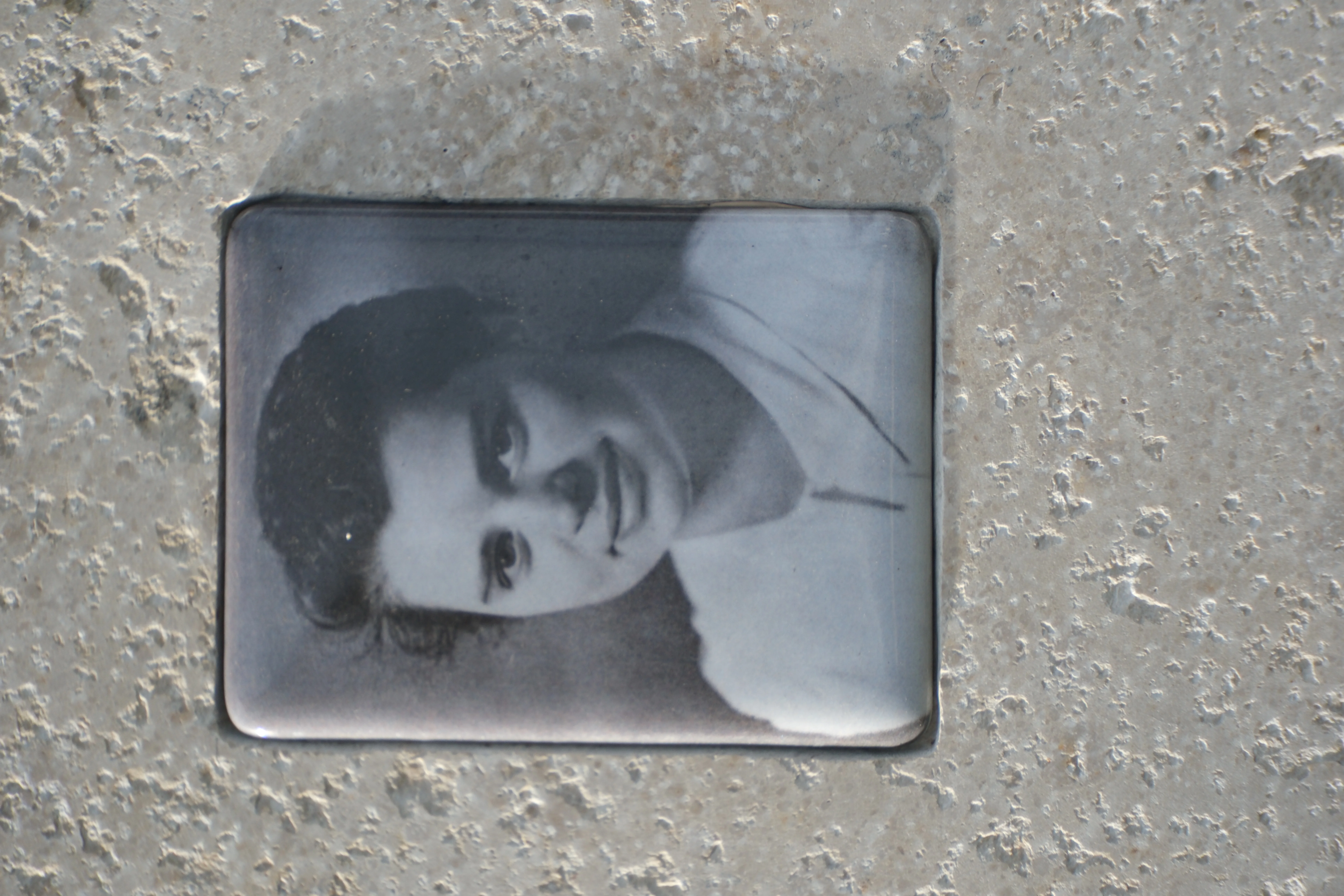
Image from Wikipedia
Image from Wikipedia
Maria Imma Mack: The Brave Nun from Möckenlohe Who Made History as "Mädi"
A Biography of Faith, Civil Courage, and Quiet Grandeur
Maria Imma Mack, born Josefa Mack on February 10, 1924, in Möckenlohe near Eichstätt and passed away on June 21, 2006, in Munich, was a member of the Congregation of the Poor School Sisters of Our Lady. She became known for her clandestine, life-threatening efforts on behalf of prisoners at Dachau concentration camp, providing them with food, letters, and liturgical items. Under the alias "Mädi," she became a silent helper for many in the shadows of Nazi terror. ([de.wikipedia.org](https://de.wikipedia.org/wiki/Maria_Imma_Mack?utm_source=openai))
Early Years in Möckenlohe: Background, Influences, and Calling
Growing up in a family of craftsmen near Eichstätt, Josefa Mack joined the congregation at the age of 16 and began her training as a needlework teacher in 1940. The training was forcibly interrupted by the Nazis in 1942; afterward, she worked as an assistant at the children's home of the school sisters in Freising. These early stages not only mark the beginning of a monastic life path but also the social and spiritual influences from which her resistant actions later emerged. ([schulschwestern.de](https://schulschwestern.de/sr-imma-mack-maedi/?utm_source=openai))
The sources depict a young woman whose piety did not lead to withdrawal but rather to responsibility. Particularly in an environment rife with ideological violence and disenfranchisement, her actions evolved into a form of lived neighborly love. The fact that this attitude has been remembered and honored for decades is due in no small part to the clarity of her moral compass. ([gerhardinger.org](https://gerhardinger.org/memorial-plaque-for-sister-m-imma-mack/?utm_source=openai))
Dachau as a Turning Point: Aid at Life-Threatening Risk
In 1944, she received her first assignment to purchase plants and flowers for the Dachau concentration camp's garden. What started as an ordinary task turned into a lifeline: from May 1944 to April 1945, she traveled weekly to the camp, during the summer by bicycle and in winter with a sled she pulled, bringing food, medicine, altar wine, hosts, and candles under the pretense of buying flowers. Her actions were done secretly, consistently, and with full awareness of the dangers. ([de.wikipedia.org](https://de.wikipedia.org/wiki/Maria_Imma_Mack?utm_source=openai))
The Dachau Memorial Site portrays her biography in this context as a short biography; the religious community also notes that she undertook approximately 60 trips to Dachau. Particularly impressive is the combination of practical courage and religious willingness to serve: she provided not only food but also signs of hope and items for worship. Historical reflection reveals how what seemed like a small act of assistance became a lasting testament to resistance. ([gerhardinger.org](https://gerhardinger.org/memorial-plaque-for-sister-m-imma-mack/?utm_source=openai))
"Mädi" and the Quiet Resistance of Concentration Camp Life
Among the prisoners, she was known as "Mädi"; later, she was also referred to as the "Angel of Dachau." This designation points to the special role she occupies in the culture of memory: not as a political leader, but as a person who offered concrete help in a situation of radical dehumanization. It is precisely this quiet, unremarkable form of resistance that makes her story so compelling. ([gerhardinger.org](https://gerhardinger.org/memorial-plaque-for-sister-m-imma-mack/?utm_source=openai))
According to the religious community, there was a pivotal moment when she first experienced the conditions of the prisoners in the camp, and the suffering of the people affected her deeply. From this experience arose a lasting solidarity that lasted until the end of the war. In cultural memory, Maria Imma Mack thus represents an ethic of proximity, compassion, and action that did not fade away even in the face of coercion and fear. ([gerhardinger.org](https://gerhardinger.org/memorial-plaque-for-sister-m-imma-mack/?utm_source=openai))
Post-War Period, Memory, and Later Honors
The literature reports less extensively about her later life compared to her war years, but the memory of her actions remains alive. The German Digital Library refers to a publication with recollections of her trips to the Dachau camp's garden, and the congregation emphasizes that she spoke little about her experiences. This restraint enhances the impact of her biography: the deed takes center stage, not self-promotion. ([deutsche-digitale-bibliothek.de](https://www.deutsche-digitale-bibliothek.de/person/gnd/113520522?utm_source=openai))
On the occasion of her 100th birthday in 2024, she was honored in various ways, including with a memorial plaque in Möckenlohe. Local and church contributions also commemorated her life path and esteemed her as a significant personality in the region. Such accolades show that her name has long been recognized beyond local history as a symbol of civil courage, faithfulness, and humanity. ([donaukurier.de](https://www.donaukurier.de/lokales/landkreis-eichstaett/adelschlag-gedenkt-seiner-grossen-tochter-schwester-imma-mack-15404816?utm_source=openai))
The Linguistic and Historical Context of Her Importance
Maria Imma Mack belongs to the women whose significance derives not from public power but from moral consequence. Her story is part of a memory of religious women's orders that not only preserved spiritual spaces during the Nazi era but also carried out concrete rescue actions. In this historical context, she stands alongside other forms of ecclesiastical and civil resistance, without succumbing to grand slogans. ([gerhardinger.org](https://gerhardinger.org/memorial-plaque-for-sister-m-imma-mack/?utm_source=openai))
Her biography possesses high authority for today's readers because it does not need to be either heroically exaggerated or sentimentally diminished. The verifiable stations of her life—Möckenlohe, Freising, Dachau, Munich—create a clear line from departure through peril to the culture of memory. Thus, a picture emerges of a woman whose actions broke the boundary between everyday life and history. ([de.wikipedia.org](https://de.wikipedia.org/wiki/Maria_Imma_Mack?utm_source=openai))
Cultural Influence and Lasting Relevance
The cultural influence of Maria Imma Mack is particularly evident today in forms of remembrance: memorial plaques, biographies, ecclesiastical honors, and regional places of remembrance keep her story present. In Adelschlag, Eichstätt, and around Dachau, her name is associated with the idea that courage often begins quietly but reaches far. Her biography thus remains a strong example of lived responsibility in times of political barbarism. ([donaukurier.de](https://www.donaukurier.de/lokales/landkreis-eichstaett/adelschlag-gedenkt-seiner-grossen-tochter-schwester-imma-mack-15404816?utm_source=openai))
Those who engage with her do not encounter a classic artist biography but a life story of extraordinary ethical and historical radiance. This makes it particularly fascinating from a journalistic perspective: it is not the work of a stage that is in focus, but the work of a life. Maria Imma Mack remains a figure who shows how conscience becomes history. ([deutsche-digitale-bibliothek.de](https://www.deutsche-digitale-bibliothek.de/person/gnd/113520522?utm_source=openai))
Conclusion: Why Maria Imma Mack Still Resonates Today
Maria Imma Mack fascinates because her life poses the power of the individual against the logic of violence. She acted without pathos, but with determination; without publicity, but with lasting impact. Those who know her story understand that courage does not need to be loud to become unforgettable—and that memory is strongest where it transforms into responsibility for the present. ([gerhardinger.org](https://gerhardinger.org/memorial-plaque-for-sister-m-imma-mack/?utm_source=openai))
For this reason, every renewed engagement with her life path is worthwhile: as historical education, moral orientation, and an invitation to take civil courage seriously. Maria Imma Mack remains a name deserving of respect and whose story still touches hearts today. ([domradio.de](https://www.domradio.de/artikel/vor-100-jahren-wurde-die-ordensfrau-imma-mack-geboren?utm_source=openai))
Official Channels of Maria Imma Mack:
- Instagram: no official profile found
- Facebook: no official profile found
- YouTube: no official profile found
- Spotify: no official profile found
- TikTok: no official profile found
Sources:
- Wikipedia – Maria Imma Mack
- Poor School Sisters – Sr. Imma Mack (Mädi)
- SSND Congregational Website – Memorial plaque for Sister M. Imma Mack
- German Digital Library – Josefa Maria Imma Mack
- Donaukurier – Adelschlag honors its great daughter Sister Imma Mack
- DOMRADIO.DE – 100 years ago, the nun Imma Mack was born
- Diocese of Eichstätt – Laying the cornerstone of the student residence Sr. Imma Mack in Ingolstadt
- Canisius Foundation Ingolstadt – Student residence "Sr. Imma Mack"