
Maria Imma Mack
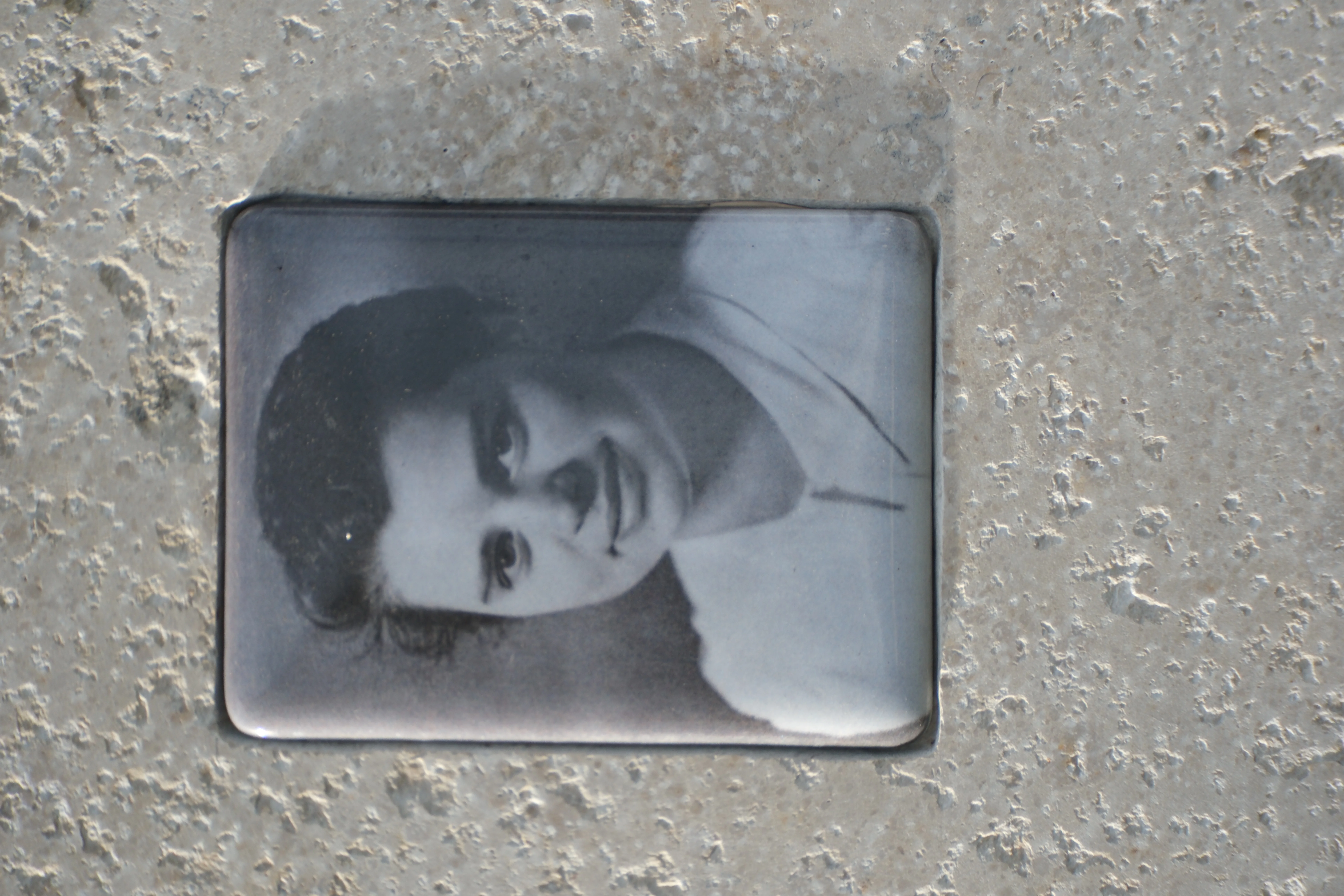
Image from Wikipedia
Image from Wikipedia
Maria Imma Mack – The Silent Heroine of Dachau
A Life Between Monastery, Conscience, and Resistance
Maria Imma Mack, born Josefa Mack on February 10, 1924, in Möckenlohe near Eichstätt and died on June 21, 2006, in Munich, is one of the most impressive Catholic witnesses of the 20th century. As a nun of the Sisters of the Poor School Sisters of Our Lady, she combined religious vocation with lived humanity and courageous action under the conditions of the Nazi dictatorship. Her name is still associated in memory culture mainly with the clandestine help she provided to prisoners of the Dachau concentration camp, which included supplying them with food, letters, and liturgical items.
Early Years and Spiritual Formation
Josefa Mack grew up in Upper Bavaria and entered the postulancy of the Poor School Sisters in 1940. From 1942, she worked as an assistant in the children's home of the order in Freising, already at a young age in an environment shaped by religious discipline, care, and practical responsibility. This early attachment to monastic life laid the foundation for an attitude that would later become evident in extreme form: to help quietly, reliably, and resolutely.
In 1945, she entered the novitiate of the congregation and took on the religious name Maria Imma. A year later, she made her profession and remained connected to the community until her death. Her completion of the master craftsman examination as a ladies' tailor in 1951 also reflects a life that intertwined spiritual calling and craftsmanship. This combination of sobriety and devotion shapes the image that remains of her.
The Path to Dachau: Help at the Risk of One's Life
In 1944, Josefa Mack was first assigned to purchase plants and flowers for the garden of the Dachau concentration camp. What began as a practical monastic task evolved into a moral border experience. The sight of the prisoners and their condition haunted her; from this encounter emerged a form of resistance that was quiet but impactful. From then on, she regularly traveled to Dachau, in summer by bicycle, and in winter pulling a sled.
Between May 1944 and April 1945, she brought food to the prisoners, smuggled letters, and helped maintain contact with their relatives. Under the alias "Mädi," she became a familiar figure for the inmates, and she was later referred to as the "Angel of Dachau." Her actions were taken with the awareness that smuggling letters and providing support for prisoners could result in severe consequences, including death.
Liturgical Assistance and the Ordination of Karl Leisner
One of the most remarkable chapters of her work was her support during the secret ordination of the imprisoned deacon Karl Leisner. Maria Imma Mack smuggled liturgical items such as hosts, mass wine, candles, oils, and vestments into the camp, making possible an event that later became known as a unique priestly ordination in a Nazi concentration camp.
This assistance was not only significant organizationally but also of great spiritual importance. It shows how deeply Maria Imma Mack wished to strengthen the lives of the prisoners not only materially but also spiritually. In an environment of systematic dehumanization, her act represented a symbol of dignity, hope, and sacred persistence.
The Late Memories and the Book "Why I Love Azaleas"
Maria Imma Mack spoke little about her experiences in Dachau. All the more significant is the fact that she published her memories in 1989 under the title "Why I Love Azaleas." The title refers to a small, almost poetic gesture from her time in the camp: prisoners on the plantation had given her azaleas for her mother. This scene encompasses the entire ambivalence of her life between suffering, gratitude, and humanity.
Her memoirs are therefore more than a personal reflection. They are a historical testimony of civil courage rooted in religious conviction and the quiet form of resistance that operates without grand gestures but rather with persistent action. They hold a special place in the memory culture surrounding Dachau and the Poor School Sisters.
Awards, Honors, and Public Remembrance
For her dedication, Josefa Maria Imma Mack received numerous awards. In 2001, she was honored with "München leuchtet," and in 2004, France inducted her as a "femme chevalier" into the Legion of Honor. In 2005, she received the Federal Cross of Merit 1st Class and the papal honor Pro Ecclesia et Pontifice. These honors reflect that her actions found recognition far beyond local memory.
Her name is also anchored in the urban landscape. In 2009, the Imma-Mack-Weg was named after her in the Au district of Munich, and there is also a street of the same name in her hometown of Möckenlohe. Additionally, since 2016, a memorial stele from the Resistance Memorial at the Platz der Freiheit in Munich commemorates Josefa Mack. Such places turn biography into public history.
Maria Imma Mack in the Memory of the Poor School Sisters
The Congregation of the Poor School Sisters of Our Lady keeps the memory of Maria Imma Mack alive and describes her as a sister whose courage and civil courage continue to be exemplary to this day. The religious community particularly emphasizes her journeys to Dachau, her commitment to the prisoners, and the quiet self-evidence with which she helped. It is this very humility that makes her story so powerful.
The Dachau concentration camp memorial and local historical sources also reference her actions. The memory of Maria Imma Mack thus stands at the intersection of religious order history, local historical culture, and the processing of National Socialist crimes. She is one of the women whose name remains quietly but permanently.
Why Her Story Resonates Today
Maria Imma Mack embodies a form of attitude that is particularly valuable in German memory culture: help without self-staging, courage without pathos, responsibility without retreat. Her biography shows that resistance does not always manifest as open confrontation but often as precise, persistent, and risky care. This is where the greatness of her life lies.
Maria Imma Mack remains intriguing because her story points far beyond biographical data. She combines monastic spirituality, historical resistance, and human dignity into a life picture of exceptional density. Those interested in civil courage, Nazi history, and the power of quiet decisions will find in her a figure of lasting significance. A visit to the places of remembrance or a deeper engagement with her biography is worthwhile.
Official Channels of Maria Imma Mack:
- Instagram: No official profile found
- Facebook: No official profile found
- YouTube: No official profile found
- Spotify: No official profile found
- TikTok: No official profile found