
Markus (Evangelist)
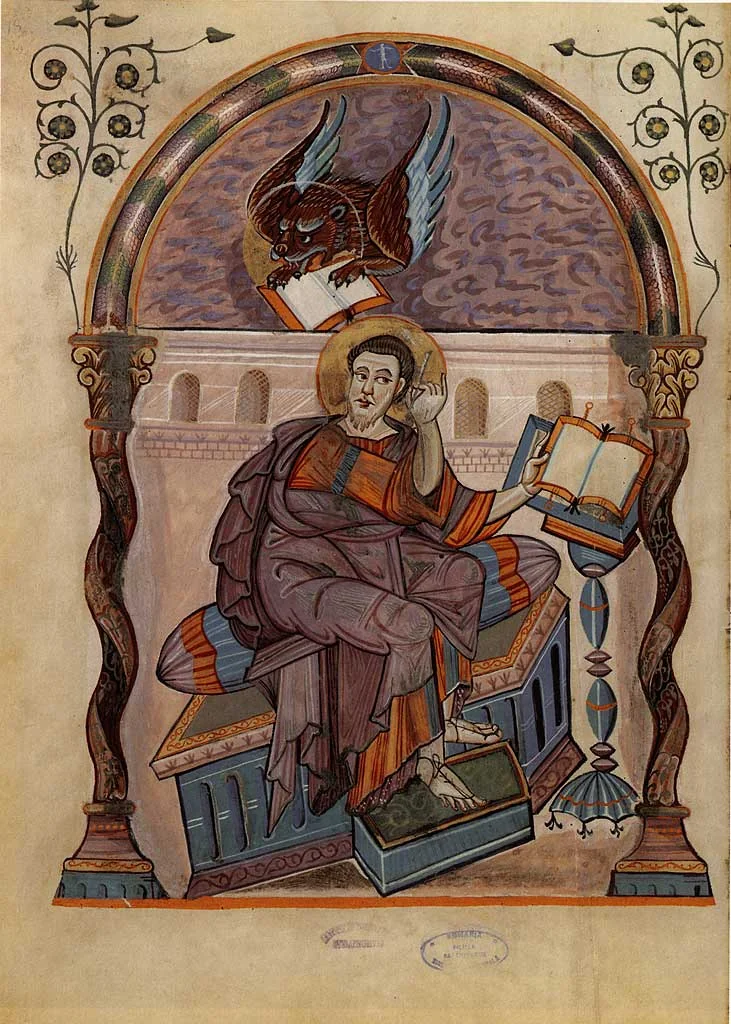
Image from Wikipedia
Image from Wikipedia
Markus (Evangelist) – The Defining Figure Behind the Oldest Gospel
An Evangelist Between Tradition, Anonymity, and Historical Influence
Markus is one of the most influential names in Christian tradition, even though the author of the Gospel named after him does not mention his name in the text itself. Early church tradition attributed the work to a "Markus"; in scholarly literature, this name is primarily a convention rather than a verified biographical statement. This tension between anonymity and significant historical influence makes Markus fascinating to this day. ([britannica.com](https://www.britannica.com/biography/Saint-Mark-the-Evangelist?utm_source=openai))
Biography and Historical Context
According to church tradition, Markus is considered an evangelist, apostle, and martyr; the tradition also connects him with Peter and the early history of Christianity. Britannica refers to him as the traditional author of the second synoptic gospel and notes that this attribution is based on early Christian tradition. Later legends extend from Alexandria to Venice, demonstrating how deeply the figure of Markus is rooted in liturgy, veneration of saints, and art. ([britannica.com](https://www.britannica.com/biography/Saint-Mark-the-Evangelist?utm_source=openai))
Historically, the figure cannot easily be reconstructed as a clearly identifiable individual, since modern research distinguishes between traditional attribution and critical authorship questions. In scholarly discussion, the Gospel of Markus is regarded as an anonymous work, likely composed early and considered by many researchers to be the oldest of the four gospels. This early position in the canon grants Markus a key role in the formation of the synoptic tradition. ([britannica.com](https://www.britannica.com/topic/biblical-literature/The-Synoptic-Gospels?utm_source=openai))
The Gospel of Markus as a Narrative Breakthrough
The Gospel of Markus does not rely on extensive genealogies or lengthy backstories but emphasizes pace, tension, and immediate theology. Britannica describes it as the second of the four New Testament gospels and as one of the three synoptic gospels that unfold a shared perspective on the life and death of Jesus. The text begins programmatically with the appearance of John the Baptist and develops a concentrated narrative of calling, conflict, passion, and suffering. ([britannica.com](https://www.britannica.com/topic/Gospel-According-to-Mark?utm_source=openai))
This form makes Markus literarily influential: The language is considered more direct and less elaborate than that of Matthew or Luke, and the dramaturgy heavily employs mystery, tension, and the motif of misunderstanding. Research often emphasizes that the text does not idealize the disciples but highlights their uncertainty and slow understanding. This results in a dense, almost cinematic narrative stance that presents the passion not as a footnote but as the center of the message. ([britannica.com](https://www.britannica.com/topic/biblical-literature/The-Gospel-According-to-Mark-unique-structure?utm_source=openai))
Authorship, Tradition, and Scholarly Debate
The question of authorship remains one of the most captivating points of Markus research. Britannica points to the traditional connection with Peter and to Papias of Hierapolis, who describes the writings of Markus as based on Peter’s teachings; however, the historic-critical attribution remains uncertain. Modern biblical scholarship therefore emphasizes that the name "Markus" primarily marks a later attribution of tradition and does not automatically prove the identity of a specific eyewitness. ([britannica.com](https://www.britannica.com/biography/Saint-Mark-the-Evangelist?utm_source=openai))
This uncertainty does not diminish the rank of the text; rather, it underscores its independence. The Gospel serves as the earliest narrative condensation of the belief in Christ and provides a kind of foundation for many later interpretations. Its authority arises less from a classical biographical signature than from the power of its portrayal, its theological emphasis, and early church reception. ([britannica.com](https://www.britannica.com/topic/Gospel-According-to-Mark?utm_source=openai))
Style, Theology, and Cultural Influence
Markus employs a language that is concise, direct, and action-oriented. The narrative focuses on movement, encounters, conflicts, and the ongoing question of who Jesus really is. Particularly striking is the connection between revelation and hidden meaning: power and messianism appear not triumphantly but under the sign of suffering, misunderstanding, and discipleship. ([britannica.com](https://www.britannica.com/topic/biblical-literature/The-Gospel-According-to-Mark-unique-structure?utm_source=openai))
The cultural influence of the Gospel of Markus extends far beyond theology. It shapes liturgy, art, biblical illustration, and saint iconography; the symbol of the evangelist is the lion of Markus, which continues to serve as a strong recognizable mark today. In Christian tradition, Markus represents the condensation, power, and early formation of the gospel as a literary genre. ([britannica.com](https://www.britannica.com/biography/Saint-Mark-the-Evangelist?utm_source=openai))
Reception in Church and Research
In church tradition, Markus is closely associated with the early spread of Christianity, including legends about Alexandria and martyrdom. Historically, much of this remains uncertain, but this blend of tradition, interpretation, and regional memory makes the reception multi-layered. The fact that different denominations and regions venerate Markus as a patron and commemorative figure demonstrates his extraordinary reach. ([britannica.com](https://www.britannica.com/biography/Saint-Mark-the-Evangelist?utm_source=openai))
For academic research, Markus remains a key text because it reveals the line between Jewish tradition, early Christian proclamation, and later gospel literature. The debate over authorship, origin, and target audience keeps the scholarly discourse alive. This is where its enduring tension lies: Markus is both traditionally revered and critically discussed. ([britannica.com](https://www.britannica.com/topic/biblical-literature/The-Synoptic-Gospels?utm_source=openai))
Conclusion: Why Markus Remains Fascinating Today
Markus fascinates through the rare combination of traditional power, narrative precision, and historical openness. As a name, he represents the probably oldest gospel; as a figure, he symbolizes early Christian memory culture; and as a symbol, he embodies a style that leads directly to the heart of the matter. Reading Markus reveals not a smooth portrait of a hero but a text of great intensity, high theological density, and lasting cultural impact. ([britannica.com](https://www.britannica.com/biography/Saint-Mark-the-Evangelist?utm_source=openai))
This is precisely why revisiting the Gospel of Markus is worthwhile: it opens one’s eyes to the origins of Christian narrative art and a form of faith language that continues to resonate today. Those who seek to understand Markus discover not only an evangelist of tradition but a central architect of biblical literature. ([britannica.com](https://www.britannica.com/topic/biblical-literature/The-Synoptic-Gospels?utm_source=openai))
Official Channels of Markus (Evangelist):
- Instagram: no official profile found
- Facebook: no official profile found
- YouTube: no official profile found
- Spotify: no official profile found
- TikTok: no official profile found