
Maura Delpero
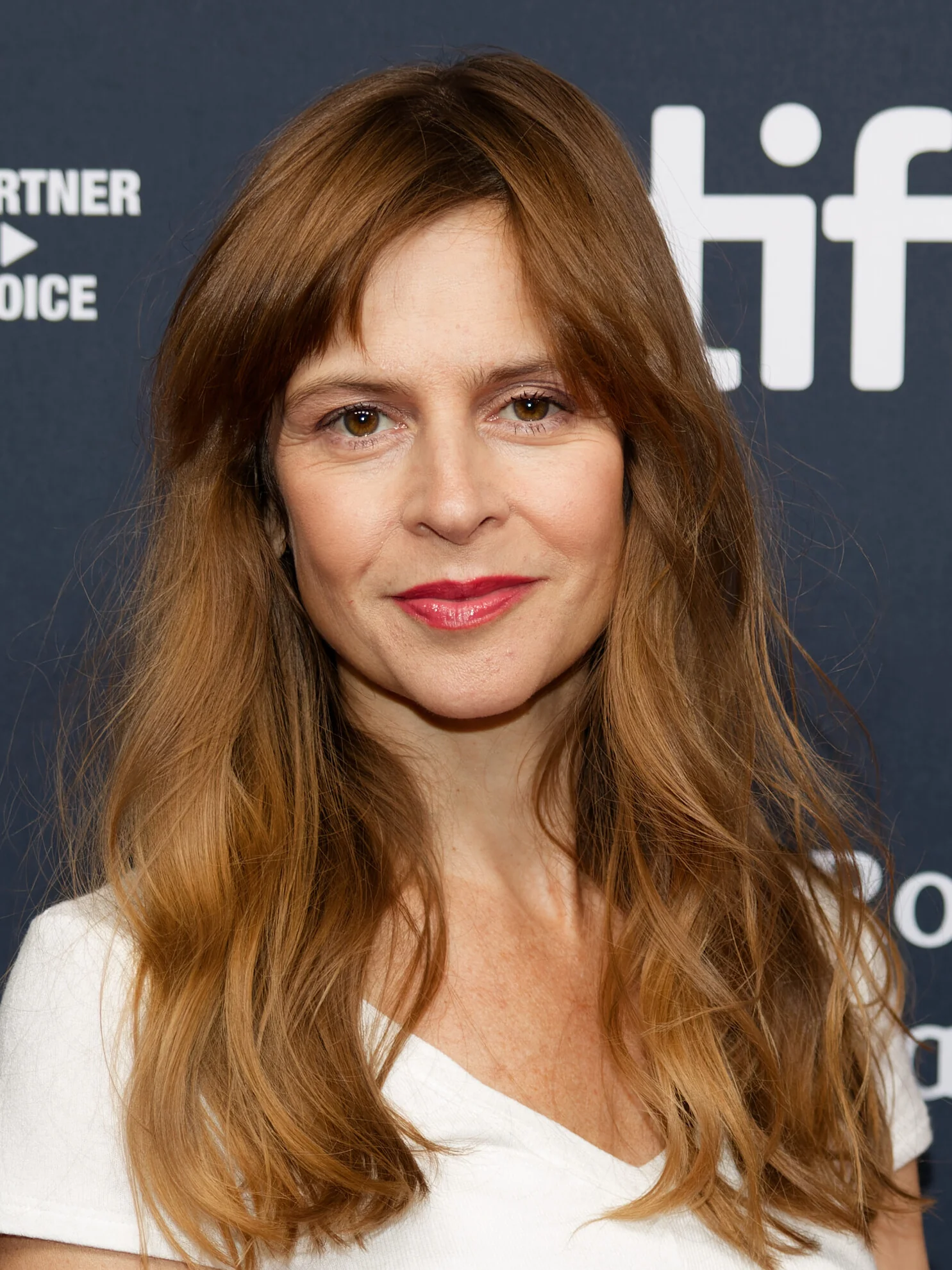
Image from Wikipedia
Image from Wikipedia
Maura Delpero – Director Between Documentary Precision and Poetic Cinema
A visionary filmmaker from Bolzano, shaping contemporary Italian cinema
Maura Delpero, born on October 3, 1975, in Bolzano, is one of the defining voices of contemporary Italian cinema. Her artistic journey has moved from literature through dramaturgy to film directing, from Bologna and Paris to Buenos Aires – and this transnational experience permeates her cinematic career, her presence behind the camera, and her distinctive style. With works like Maternal (2019) and Vermiglio (2024), Delpero combines documentary observation, precise composition, and an urgent, humanistic narrative stance. Her films open intimate spaces where family, care, tradition, and self-determination are negotiated – captivating both audiences and critics alike.
Biography: From Bolzano to the World – Education, Languages, Perspectives
Delpero grew up in South Tyrol, attended bilingual schools, and studied literature at the University of Bologna and the Sorbonne. She sharpened her artistic development in Buenos Aires, where she deepened her filmmaking practice, composition, and production at the Professional Training Center of SICA. These biographical milestones shape her authorship: the accuracy of language, the rigor of research, and openness to hybrid forms between documentary and fiction. In her early years, she created documentary works that already revealed her sensitivity to social spaces, female realities, and institutional environments.
Early Works: Documentary School as Artistic Laboratory
The first phase of her creative output focused on documentary film – a laboratory for rhythm, visual storytelling, and closeness to protagonists. Earlier works like Signori professori (2008) and Nadea e Sveta (2012) were showcased at the Turin Film Festival, making Delpero's signature style visible: an observing camera, economical arrangement, and narrative breath. Nadea e Sveta received a nomination for the David di Donatello and shaped Delpero's technical method: precise editing, sensitive sound work, and an ethics of gaze that allows closeness without being exploitative. This documentary rigor remains the foundation of her fiction to this day.
The Breakthrough: Maternal (2019) – Empathy, Ritual, and Rebellion
With Maternal (Hogar), Delpero transitioned to fiction in 2019 – without losing the realism of her documentary school. The film, inspired by her work in Argentine "hogares," follows young mothers and a novice in a convent-run home. The staging combines a clearly structured mise-en-scène with reserved, finely modulated direction of actors. Maternal received a special mention in the Concorso Internazionale at Locarno and won the Ecumenical Jury Award; subsequently, the film traveled through major festivals, earning Delpero nominations in Italy (including David di Donatello, Nastro d’Argento). Maternal demonstrates how Delpero makes female experience visible through composition and arrangement – without pathos, without sentimentality, but with great dignity.
Vermiglio (2024): Family Saga, Landscape, and Memory Politics
In Vermiglio, her second feature film, Delpero shifts her themes to an alpine village during the last months of the war in 1944. Four seasons structure the narrative about an extended family, their rituals, and the tectonic shifts triggered by a fleeing soldier. The visual language – desaturated color palette, radiant lighting, precise tableaux – encounters an epic-chamber music dramaturgy: intimate conflicts breaking within a grand mountain landscape. The film had its world premiere in competition at the 81st Venice Film Festival and was awarded the Grand Jury Prize. As Italy's submission for the 2025 Oscar, Vermiglio also won seven David di Donatello awards (including Best Film, Best Direction) and succeeded internationally with additional festival awards. Thus, Delpero has firmly established her authority as a director with a distinctive visual language.
Style Analysis: Between Realism and Poetry – The Craft Behind the Images
Delpero's cinema thrives on balance: documentary mindfulness meets poetic condensation. In image composition, she prefers clear axes, calm camera movements, and work with ensemble scenes, where gazes, body language, and pauses carry semantic weight. In production, she emphasizes intensive research, long-term casting – sometimes with amateur actors – and a precise sound design that allows spaces to breathe. Her arrangements are characterized by counterpoints of intimacy and vastness: monastery corridors and dormitories in Maternal, wide mountain valleys and small rooms in Vermiglio. This choreography of space and emotion gives her films a unique musicality that avoids overwhelming aesthetics.
Character Work: Female Perspectives, Collective Memory, Moral Ambivalence
The characters in Delpero's work are never mere thesis figures. They embody ambivalences: duty and desire, faith and doubt, tradition and self-determination. In Maternal, the juxtaposition of vows and motherhood creates an ethical resonance space; in Vermiglio, patriarchal order clashes with individual longing. Delpero orchestrates conflicts subtly, trusting the nuances and the physical presence of her actors. This approach strengthens the credibility of the narratives and anchors the drama in lived experience.
Filmography and Critical Reception
The filmography includes documentary works and two award-winning feature films: Signori professori (2008) and Nadea e Sveta (2012) marked the documentary phase with festival successes in Turin. Maternal (2019) brought international breakthrough with Locarno honors and critical acclaim in prominent media, which praised the sensitivity of the direction and the consistency of perspective. Vermiglio (2024) set new standards: Venice award, Italy's Oscar submission, Golden Globe shortlist, broad festival presence from Toronto to Rotterdam, and seven David di Donatello awards. The press highlighted the visual language, seasonal structure, and the concept of "landscape as a space for the soul"; German-language reviews emphasized warmth, light dramaturgy, and the artful avoidance of kitsch.
Awards, Recognition, and International Presence
Delpero's authority stems not only from festival awards but also from continuous recognition within the industry. Besides Locarno honors, she received the Women in Motion Young Talent Award (Kering/Cannes) for her emerging talent surrounding Maternal. With Vermiglio, she won key categories at the David di Donatello 2025, was nominated for international awards, and appointed as a juror for the Mostra of Venice 2025 – a strong signal from the institutions to a director who aesthetically renews Italian cinema while firmly anchoring it in film history.
Cultural Influence: Territories, Languages, Identities
Delpero's cinema maps peripheries: geographical margins, institutional microcosms, familial systems. Her films connect Italy, Argentina, and the Alpine region – as languages, as historical experiences, as soundscapes. In Vermiglio, landscape becomes an archive of emotions; in Maternal, a home mirrors societal contradictions. This connection of place and identity, of history and present, makes Delpero's work relevant for debates surrounding care work, gender roles, migration, and class origins.
Working Method: Research, Ensemble, Precision
In her artistic development, Delpero relies on in-depth research processes that not only ensure authenticity but also dramaturgically support the composition. She collaborates with cinematographers who have a sense for natural light and topographical lines, and with editors who make the rhythm of seasons, prayers, or daily rituals palpable. The production remains lean and controlled, granting flexibility to the visual dramaturgy and breathing space for the performers.
Reception in the Trade Press: Visual Aesthetics and Narrative Integrity
The critical reception acknowledges the connection between visual poetry and social sharpness. International media highlight how Delpero transforms family archives into film without engaging in nostalgic glorification. German-language reviews emphasize the desaturated coloring, seasonal structure, and finely crafted character psychology. This combination of expertise in mise-en-scène and trust in the reality of the locations establishes Delpero's authority – making her cinema enduring.
Conclusion: Why Watch Maura Delpero Now?
Maura Delpero exemplifies a cinema that touches without manipulating, that tackles complex themes with craftsmanship, empathy, and stylistic clarity. Her films are carefully composed narratives about belonging, responsibility, and self-determination – driven by visual sensitivity and cultural depth. Those who want to experience European author cinema that connects history and present and resonates in contemporary contexts should discover Delpero's works – and certainly experience the director live during festival talks or film discussions, where her artistic development and stance become even more palpable.
Official Channels of Maura Delpero:
- Instagram: No official profile found
- Facebook: No official profile found
- YouTube: No official profile found
- Spotify: No official profile found
- TikTok: No official profile found
Sources:
- Wikipedia – Maura Delpero
- Wikipedia – Vermiglio (Film)
- Wikipedia – Maternal (Film)
- TheWrap – Interview about Vermiglio
- South Tyrol Regional Administration – Film Funding/IDM & Vermiglio
- IDM South Tyrol – Vermiglio as Italian Oscar Submission 2025
- Vanity Fair Italia – Portrait/Interview (2025)
- der Freitag – Reviews excerpts about Vermiglio
- RaiPlay – David di Donatello 2025 (Best Direction/Best Film)
- Wikipedia: Image and text source