
Otfried Preußler
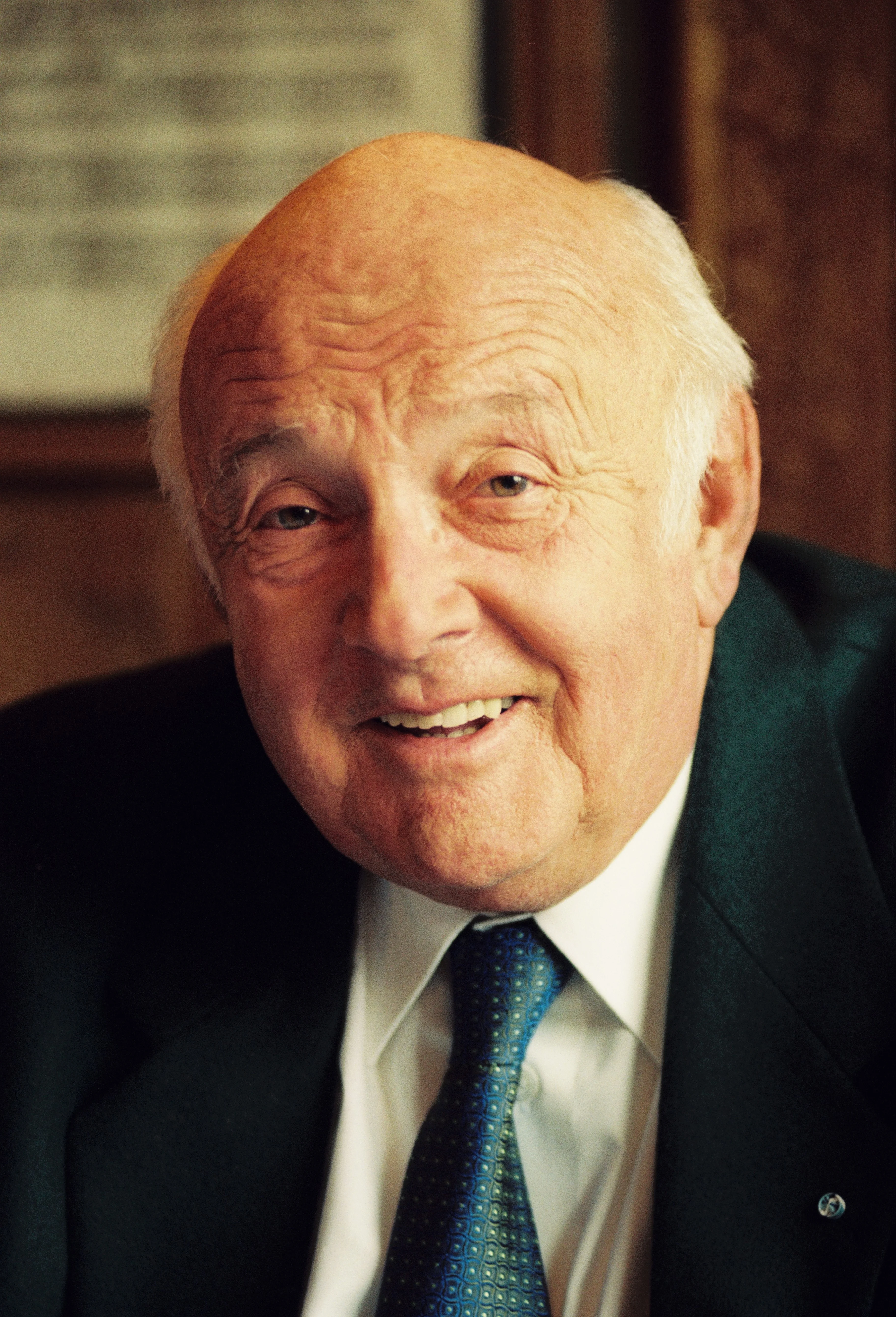
Image from Wikipedia
Image from Wikipedia
Otfried Preußler – Master Storyteller of Children's and Youth Literature
Magic, Morals, and Timeless Adventures: How Otfried Preußler Shapes Generations
Otfried Preußler (October 20, 1923 – February 18, 2013) is considered one of the most influential German-speaking authors of children's and youth literature. With classics such as The Little Witch, The Robber Hotzenplotz, The Little Ghost, The Little Water Sprite, and Krabat, he created narrative worlds that have been captivating children's rooms, schools, and theater stages for decades. His books have been translated into over 55 languages and sold more than 50 million copies worldwide – a benchmark for lasting cultural resonance, educational value, and literary quality. His artistic development is rooted in folk tales, myths, humor, and a clear ethical stance that places friendship, courage, and self-determination at its center.
Biography: From Reichenberg to Rosenheim – A Life Dedicated to Stories
Born in Reichenberg (Liberec) in Bohemia, Preußler grew up bilingual in a multicultural environment, where he became familiar with folk traditions, regional myths, and narrative traditions at an early age. After the war, he found a new home in Bavaria, completed teacher training, and served for years as a dedicated educator. This musical career of a storytelling voice – from the listener of his grandmother's tales to schoolmaster and storyteller – fundamentally shapes his artistic development: From the everyday lives of children, he composes stories with clear dramaturgy, pointed wit, and a sense of the fantastic that is always aimed at proximity to life.
The stage presence of his characters – whether the little witch discovering her own moral compass or the cunning robber Hotzenplotz – is due to a language that is lively, rhythmic, and rich in dialogue. Preußler's experience as a teacher permeates his work: He never spoke down to his audience but engaged them on equal terms, with respect for child's imagination.
From Teacher to Bestselling Author: The Breakthrough
With the 1950s and 1960s, Preußler took off into literary heights. The Little Water Sprite (1956) marked the beginning of a success curve that continued with The Little Witch (1957) and The Little Ghost (1966). The Robber Hotzenplotz (1962) became a hit in children's rooms – thanks to unforgettable characters, theatrical comedy, and a masterful balance of suspense and cheerfulness. With Krabat (1971), a dark mythological youth novel, Preußler achieved the synthesis of folk material, coming-of-age narrative, and moral education, catapulting him into the first ranks of internationally respected authors.
The path from the classroom to world literature remained grounded: Preußler answered readers' letters, visited schools, and stayed true to the dialogue with his audience. His arrangement of fantasy and responsibility explains why his books continue to play a significant role in pedagogy and reading promotion to this day.
Workshop of Imagination: Themes, Style, and Poetics
Preußler's narrative art combines folk tales, mythic material, and contemporary experiences. His composition of clear images, musical language rhythms, and recurring thematic figures (such as cunning helpers, stubborn authorities, magical trials) creates high memorability – ideal for early reading ages and storytelling situations. Humor serves as a catalyst for insight, rather than an end in itself: Characters stumble, fail, learn – and find their way to responsibility and solidarity.
Technically, Preußler employs cinematic cuts, precise scene constructions, and an economy of means that can be directly translated into play and stage. His production includes children's books, youth novels, and picture book texts; adaptations for audio plays, stage, and film underscore the dramaturgical stability of his material. This expertise in narrative economy, dialogue management, and moral condensation is a hallmark of his authorship.
Bibliography and Reception: Classics with Long-Term Impact
Among the defining titles are The Little Water Sprite (1956), The Little Witch (1957), The Robber Hotzenplotz (1962), The Little Ghost (1966), and Krabat (1971). While the early children’s books primarily focus on cheerfulness, wit, and everyday magic, Krabat opens the door to darker, more existential questions: abuse of power, seduction, loyalty, and civil courage. Critical reception particularly honors the clear character portrayal, exemplary guiding of readers, and the ethical depth of the stories.
Awards and honors – including the German Youth Literature Prize, the Federal Cross of Merit (1st Class), as well as numerous accolades from publishers, academies, and cultural institutions – underscore his authority. International publications, new translations, and constant reissues continue to demonstrate the vitality of his oeuvre in the global children's book canon.
Adaptations, Audio Play Culture, and Stage: From Book to Experience Space
Preußler's characters develop a strong stage presence. Theater adaptations of The Robber Hotzenplotz, The Little Witch, and The Little Ghost are part of the repertoire of many children's and family theaters. Audio play productions – with careful sound direction, music, and sound dramaturgy – have extended the acoustic cosmos of his stories and reached new generations. Adaptations for film and TV, as well as documentary approaches to his life and work, open additional perspectives on his storytelling.
In audio production, publishers and labels have furthered Preußler's stories with prominent voice actors. This interplay of literature, audio play, and stage explains the exceptional visibility of his work in culture, education, and the media landscape.
Cultural Influence: Transmitting Values, Promoting Reading, Memory Work
Preußler is more than entertainment: His stories provide children with a safe zone where they can explore morals, courage, and empathy. The artistic development of his heroes – from the curious little witch to the steadfast Krabat – models learning pathways that extend beyond the narrative. In school libraries, reading nights, and theater clubs, his work serves as a tool for promoting reading and aesthetic education.
At the same time, the stories serve as memory work: By addressing power and seduction through the lens of myth, Krabat makes historical and ethical questions negotiable. Thus, Preußler shapes the societal discourse on responsibility – without a didactic finger-wagging, but with literary authority.
Controversies and Classification: Open Engagement as Strength
In recent years, biographical aspects of his youth have come into focus, including early texts and contexts from the Nazi era. The literary-historical classification is crucial: Preußler's main work clearly stands against totalitarianism, mockery of power gestures, and glorification of violence. Critical reception emphasizes how his narratives strengthen empathy, self-determination, and resistance against arbitrariness – values that mark a conscious departure from ideological seduction.
This debate underscores the trustworthiness of his canon: A body of work that has been so intensely read, staged, and discussed across generations endures scrutiny because it seeks dialogue with readers – and provokes reflection on freedom, responsibility, and civil courage.
Current Editions, Edition Trends, and Exhibitions (2024–2026)
The publishing care for his oeuvre remains dynamic. New and special editions, carefully modernized versions, and beginner reader series are adapting the classics to contemporary reading situations – with typographical layouts, expanded imagery, and pedagogically clever riddle and activity elements. Meanwhile, museums curate interactive exhibitions that invite children to explore Preußler's narrative worlds in a low-threshold manner: characters to touch, scene stations to reenact, sound and light installations to marvel at.
This development demonstrates how robust Preußler's compositions are: Format changes – from hardcover to stage version, from audio play to interactive exhibition – let the narrative substance clearly stand out. For publishers, teachers, and cultural organizers, the author remains a reliable anchor for sustainable reading motivation.
Internationality and Publishing Landscape
The international presence of his work is reflected in continuous reissues by renowned publishers and the availability of key titles in English. Translation efforts preserve Preußler's tone: humorous punchlines, strong dialogue, and vivid imagery. The fact that characters like the Robber Hotzenplotz, The Little Witch, and Krabat and the Sorcerer’s Mill are firmly established abroad speaks to the universal readability of his material.
Publishers, agencies, and licensing departments coordinate stage rights, audio editions, and educational offerings – a professional arrangement that sustainably secures Preußler's authority in literature, theater, and audio plays.
Awards and Honors: Authority Over Decades
The list of awards – from the German Youth Literature Prize for Krabat to state recognitions such as the Federal Cross of Merit (1st Class) – confirms the canonical status of the author. Schools, libraries, and awards bear his name, documentaries illuminate his life and work, and academic conferences open new perspectives on sources, genesis, and impact. This broad recognition by educational institutions, literary studies, and cultural sections is a core element of his cultural authority.
Preußler's work thus does not remain a museum piece but becomes a vibrant reference space for discussions on ethics, education, and narrative traditions – between folk tales, modernity, and contemporary culture.
Conclusion: Why Otfried Preußler is More Important Today Than Ever
Otfried Preußler combines the joy of reading and the imparting of values – with stories that are cleverly composed, musical in language, humorous in tone, and precise in dramaturgy. His characters teach without preaching; they laugh, doubt, fail – and grow. In a time that must provide children with direction and warmth, these books remain safe havens for imagination and conversation. This is what makes them classics.
Anyone who wants to trace Preußler's artistic development should reread the books, attend a performance, or listen to an audio play. The message is clear: Experience these stories together – at home, in the classroom, or in the theater hall. Live, they unfold their full effect.
Official Channels of Otfried Preußler:
- Instagram: No official profile found
- Facebook: No official profile found
- YouTube: No official profile found
- Spotify: No official profile found
- TikTok: No official profile found
Sources:
- Otfried Preußler – Official Website (Family/Estate)
- Thienemann-Esslinger Verlag – 100 Years of Otfried Preußler
- Wikipedia – Otfried Preußler
- Otfried Preußler – New Releases (2024–2026)
- BR24 Retro – Otfried Preußler on His 100th Birthday (20.10.2023)
- 3b produktion – TV Premiere "Otfried Preußler – I Am Krabat" (2023)
- Wikipedia (English) – Otfried Preußler
- Penguin Random House – Otfried Preußler (English Editions)
- Otfried Preußler – Exhibitions (Selection 2012–present)
- Wikipedia – The Robber Hotzenplotz (Adaptations, Stage Practice)
- Wikipedia: Image and Text Source
Upcoming Events
Picture Book Cinema: The Little Water Sprite – Spring in the Mill Pond
Wonder together in RW21 Bayreuth: Picture Book Cinema The Little Water Sprite. From 4 years, approx. 30 min., free admission, barrier-free with changing table. Gentle, child-friendly, joyful learning fun – come by! #FamilyTime
Der Räuber Hotzenplotz und die Mondrakete
Hotzenplotz fliegt in Freiburg nicht wirklich zum Mond – aber fast. Fulldome, Fantasie und Räubertrick sorgen für ein Familienhighlight. #Freiburg
The Little Witch at the Munich Children's Theater
Magic, humor, and heart: The Little Witch enchants Munich with clever stage art. On 04/11/2026 at 15:00 at the Munich Children's Theater. #TheaterLove
Reading Fun Downtown: Otfried Preußler's The Little Ghost in Fürth
A ghostly beautiful reading fun in Fürth: Otfried Preußler's classic takes children aged 3 and up into the world of Eulenstein Castle. Free entry, 18.08.2026, 15:30. #Children's Literature