
Paul Plut
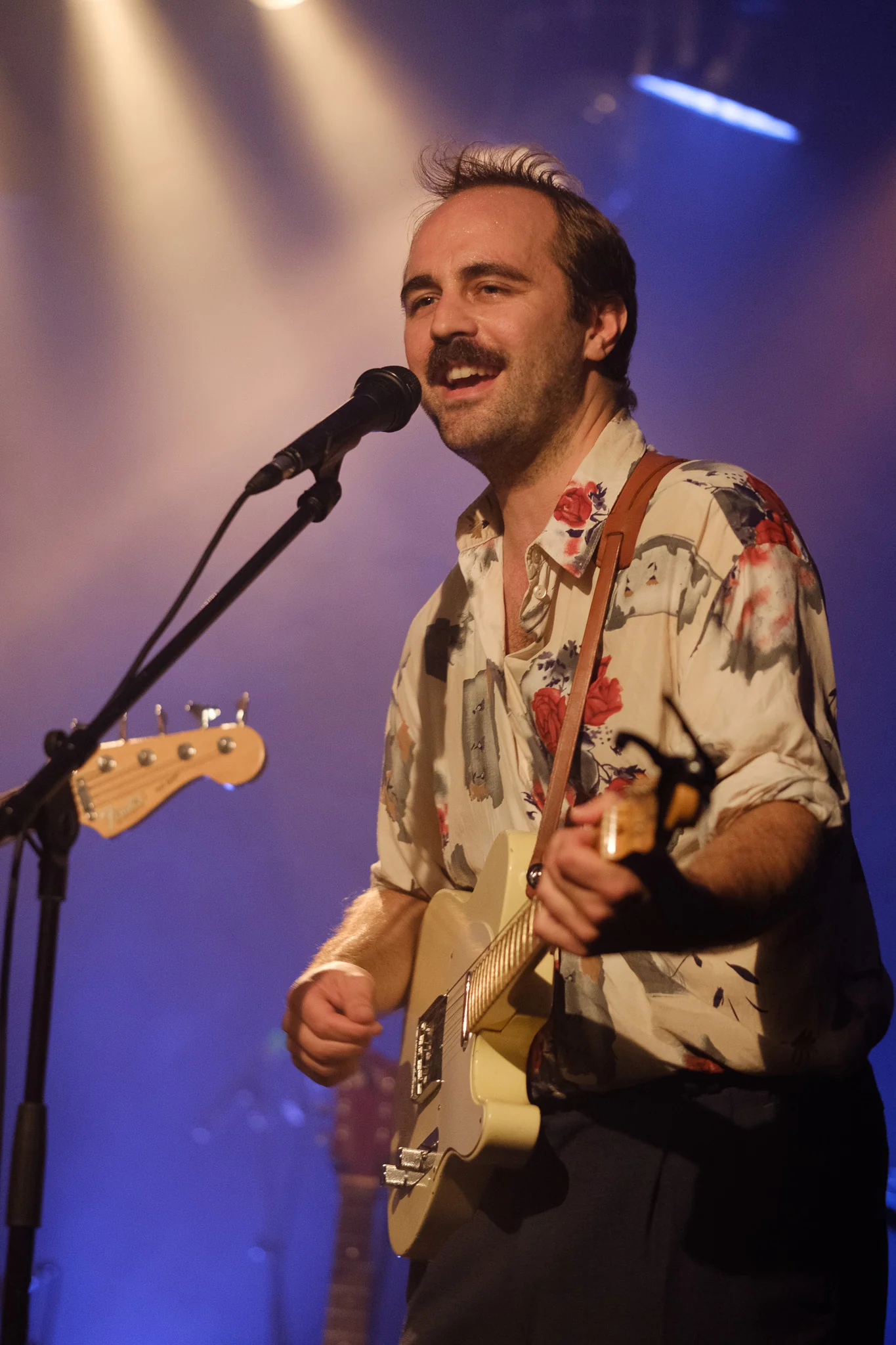
Image from Wikipedia
Image from Wikipedia
Paul Plut – The Compelling Voice Between Dialect, Darkness, and Musical Universe
An Austrian Artist with Artistic Depth and Distinct Stage Presence
Paul Plut, born in 1988 in Schladming, is one of those Austrian musicians who do not settle for a single role. He is a singer, musician, composer, frontman of the German pop band Viech and the garage rock band Marta, and also presents himself with his own solo project. In addition, he composes music for film and theater, consciously expanding his music career beyond the boundaries of the conventional pop format. ([jpc.de](https://www.jpc.de/downloads/jpc-courier-2025-09.pdf?utm_source=openai))
His artistic profile thrives on tension, a sense of home, and density. Plut combines dialect, literary references, and a often dark, yet never rigid sound language into songs that oscillate between intimate observation and societal force. It is precisely this connection of personal perspective and cultural anchoring that makes him a striking figure in the German-speaking indie and songwriter scene. ([sn.at](https://www.sn.at/kultur/musik/paul-plut-herbarium-wenn-kraeutergarten-154953166?utm_source=openai))
From Schladming to the Austrian Music Scene
The biographical starting point is clearly defined, yet the artistic development is multifaceted. Plut comes from Schladming and is now also located as a choice Viennese, which is reflected in his work that balances alpine imagery and urban reflection. His career shows a musician who does not treat his regional origin as folklore, but rather uses it as material for his own aesthetics. ([sn.at](https://www.sn.at/kultur/musik/paul-plut-herbarium-wenn-kraeutergarten-154953166?utm_source=openai))
This attitude was already present in the band contexts of Viech and Marta: Plut does not act as a smooth mainstream interpreter, but as a frontman with a strong will who allows for friction. That he cultivates a solo project alongside the band activities indicates an artist who consistently shapes his musical development on his own terms. His work for film and theater further underscores this versatility and his affinity for dramaturgical thinking. ([jpc.de](https://www.jpc.de/downloads/jpc-courier-2025-09.pdf?utm_source=openai))
The Breakthrough as a Solo Artist: Songs About Dancing and Dying
As a solo artist, Paul Plut achieved success with the album Lieder vom Tanzen und Sterben in 2017. This work marked an important step in his career as it made his voice visible as an independent author and performer, rather than just part of a band structure. Here, his strength in the interplay of language, atmosphere, and musical sharpness becomes apparent. ([odeon-theater.at](https://www.odeon-theater.at/paulplut/?utm_source=openai))
The subsequent classification of his solo work emphasizes just this form of density. Plut works with images of transience, decay, and existential experience, without slipping into mere melancholy. Instead, a music emerges that draws its energy from the tension between closeness and abyss. ([kuma.at](https://kuma.at/magazin/beitrag/albumkritik-herbarium-paul-plut-2024-03-13?utm_source=openai))
Ramsau am Dachstein After the Apocalypse: Home as Resonance Space
With Ramsau am Dachstein nach der Apokalypse, Plut continued his solo path in 2021, sharpening his profile as a narrator of both alpine and simultaneously universal exceptional states. The album placed his home region of Upper Styria at its center and did not portray it as an idyllic place, but rather as a space of density, memory, and disturbance. This approach to origin gives his music a strong cultural signature. ([sn.at](https://www.sn.at/kultur/musik/paul-plut-herbarium-wenn-kraeutergarten-154953166?utm_source=openai))
This intensity was particularly emphasized in the reception. The songs create tension because they never consider the concrete in isolation, but instead link it with broader themes such as war, flight, transience, and societal pressure. Plut thereby demonstrates a keen sense for arrangement, texture, and narrative tension. ([kuma.at](https://kuma.at/magazin/beitrag/albumkritik-herbarium-paul-plut-2024-03-13?utm_source=openai))
Herbarium: Collection, Archive, and Musical Density
With Herbarium, released in 2024, Paul Plut opened his working method even more and described the album as a collection piece from two years of writing. The album unites original and cover songs, dialect, standard German, and English, as well as collaborations with other musicians. The idea of an herbarium represents more than just a title: It stands for archiving, order, and the poetic preservation of fleeting impressions. ([paulplut.bandcamp.com](https://paulplut.bandcamp.com/album/herbarium?utm_source=openai))
Particularly noteworthy is the conceptual depth of this work. Plut links texts, plants, found objects, and hidden tracks to create an album that reads like an organic total artwork. The press described the release as a darkly colorful excursion, characterized by intense tension and a distinctive charm in his performance. ([sn.at](https://www.sn.at/kultur/musik/paul-plut-herbarium-wenn-kraeutergarten-154953166?utm_source=openai))
Composition, Language, and Style: Between Dialect, Folk, and Garage Rock
Musically, Paul Plut moves between the singer-songwriter tradition, pop, folk influences, and rough band energy. His work with Viech and Marta showcases different sides of his artistic development: here the songwriter, there the garage rock impulse, and in between a fine sensitivity for composition and arrangement. This range makes him interesting to listeners who are looking for more than just smooth surfaces in German-speaking music. ([jpc.de](https://www.jpc.de/downloads/jpc-courier-2025-09.pdf?utm_source=openai))
Language is also a central stylistic device. Dialect for Plut is not merely a decorative element but a bearer of rhythm, attitude, and proximity. In the discussed albums, it becomes evident that he combines everyday observations, political images, and existential motives with high linguistic precision. ([kuma.at](https://kuma.at/magazin/beitrag/albumkritik-herbarium-paul-plut-2024-03-13?utm_source=openai))
Current Projects, Live Presence, and Musical Presence
In 2024 and 2025, Paul Plut remained present with new releases and performances. Herbarium was released on March 1, 2024, and garnered attention in Austrian cultural and music circles; Plut also appeared in program announcements and concert contexts. Apple Music highlights him with current releases such as Sweetest from 2024, underscoring his ongoing activity as a solo artist. ([paulplut.bandcamp.com](https://paulplut.bandcamp.com/album/herbarium?utm_source=openai))
His concert presence confirms the reputation of an artist whose music unfolds its full force on stage. Setlist documents and event announcements show that his songs work live as concentrated, atmospheric experiences. This is where a significant part of his charisma lies: His artistic development does not end in the studio but continues in the space between voice, audience, and dynamics. ([setlist.fm](https://www.setlist.fm/setlists/paul-plut-33cfa8ed.html?utm_source=openai))
Cultural Influence and Critical Reception
The music press emphasizes Paul Plut's independence. Critical voices describe his works as intense, richly literary, and atmospherically dense; the album Herbarium has been described as a collection that holds global and private themes in a tensioned balance. Such receptions show that Plut as an artist does not operate on short-term trends but rather on artistic consequence. ([kuma.at](https://kuma.at/magazin/beitrag/albumkritik-herbarium-paul-plut-2024-03-13?utm_source=openai))
His approach is also culturally and aesthetically interesting, as he takes regional sound and language spaces seriously without reducing them to regional kitsch. Plut stands in line with modern Austrian songwriters who connect dialect, literature, and contemporary music to create their own distinctive style. His relevance lies precisely in this mixture of authenticity, conceptual awareness, and emotional density. ([kuma.at](https://kuma.at/magazin/beitrag/albumkritik-herbarium-paul-plut-2024-03-13?utm_source=openai))
Conclusion: Why Paul Plut Remains Fascinating
Paul Plut is fascinating because he understands music as an expanded form of storytelling. He combines stage presence, compositional precision, and a clear artistic standpoint into a discography that continually reveals new facets. Those who appreciate German-speaking music with depth, individuality, and auditory substance will find an artist with remarkable contours here. ([sn.at](https://www.sn.at/kultur/musik/paul-plut-herbarium-wenn-kraeutergarten-154953166?utm_source=openai))
Especially live, this quality unfolds with great intensity. Paul Plut is among those musicians whom one should not only listen to but also experience, as his songs reveal their full tension, vulnerability, and power on stage. Anyone wishing to follow his artistic development should keep him on their radar and not miss the next opportunity for a concert. ([termine.de](https://termine.de/calendar/Paul-Plut/5cvzcKf?utm_source=openai))
Official Channels of Paul Plut:
- Instagram: No official profile found
- Facebook: No official profile found
- YouTube: No official profile found
- Spotify: No official profile found
- TikTok: No official profile found
Sources:
- Wikipedia - Paul Plut
- Paul Plut Bandcamp - Herbarium
- Salzburger Nachrichten - Paul Plut and his Herbarium
- KUMA.at - Album Review Herbarium
- Odeon Theater - Paul Plut
- Austrian Music Export - Paul Plut
- Kammgarn Press February 2025 - Paul Plut
- setlist.fm - Paul Plut Concert Setlists
- Apple Music - Paul Plut