
The Pointer Sisters
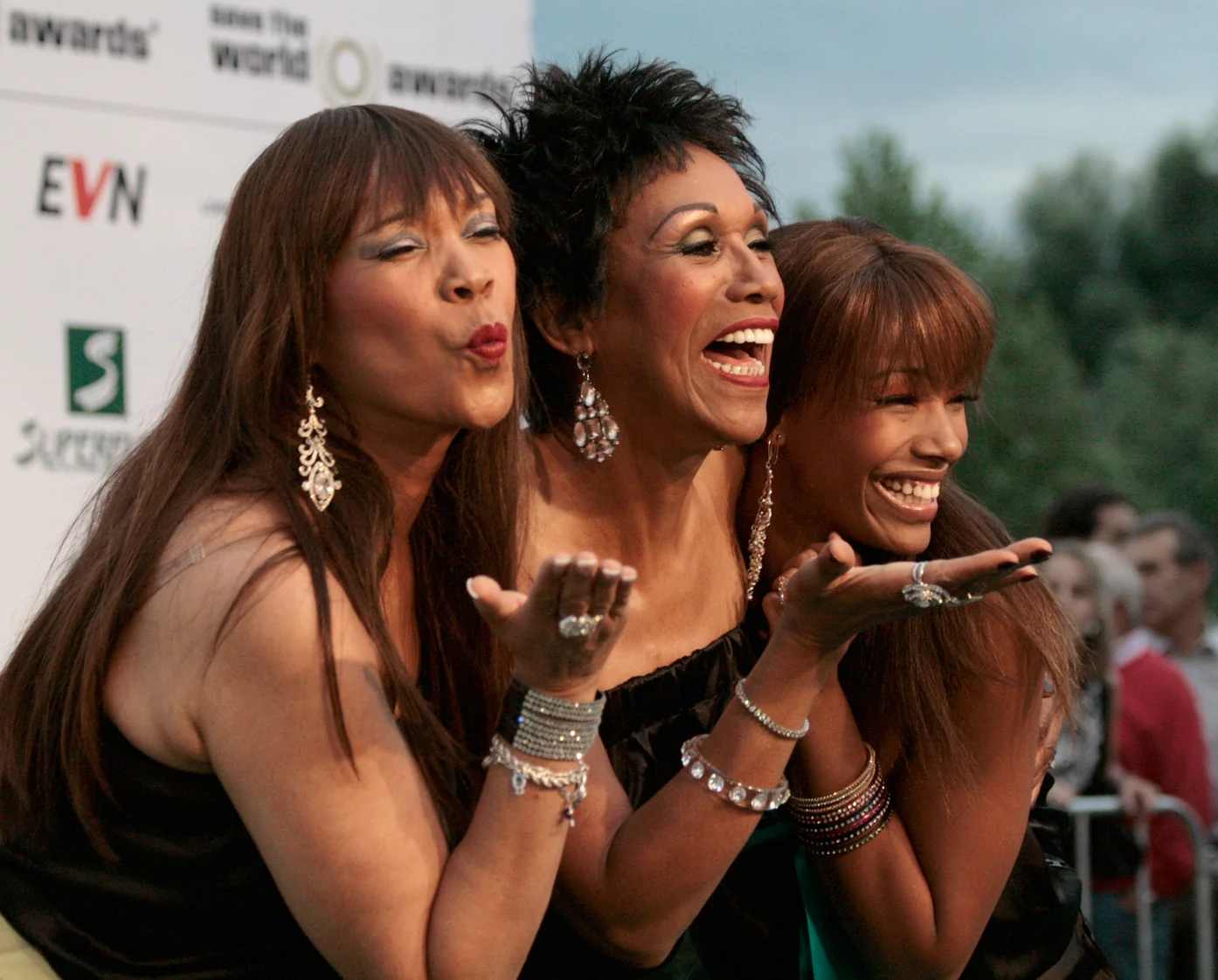
Image from Wikipedia
Image from Wikipedia
The Pointer Sisters – Soul, Disco, and Vocal Elegance Between Jazz, Funk, and Pop
One of the Most Versatile Girl Groups in US Music History
The Pointer Sisters are among the most fascinating family bands in pop and soul history: founded in 1971 in Oakland by sisters Anita, Bonnie, and June, later joined by Ruth, they evolved from a nostalgia-influenced act with jazz, Dixieland, and big band references to a stylistically open hit machine spanning funk, R&B, country, pop, and disco. It was precisely this stylistic flexibility that made them unmistakable for decades. Their catalog includes worldwide hits like “Fire,” “He’s So Shy,” “Slow Hand,” “Automatic,” “Jump (For My Love),” and “I’m So Excited,” while their career overall produced more than 40 million sold records. (en.wikipedia.org)
From Family Harmony to Professional Breakthrough
The early appeal of the Pointer Sisters lay in their background and sound: the sisters initially performed as an exceptionally independent vocal group, whose mix of second-hand fashion, extravagant costumes, and confident stage presence stood out just as much as their vocal precision. In December 1972, Ruth joined the group, expanding the ensemble to a quartet and broadening their sound. The band gained its first significant profile with a rendition of “Yes We Can Can,” which was regarded as the group's first noteworthy chart success in the US. (en.wikipedia.org)
Even at this stage, a characteristic emerged that would shape the entire musical career of the Pointer Sisters: they never viewed themselves as a static retro attraction, but as a flexible vocal formation with a strong sense of arrangements, harmonies, and the drama of a song. Their early repertoire combined traditional Americana elements with modern soul aesthetics, giving the group an artistic identity that could continually reinvent itself. Their later emergence as one of the most successful female acts of the 1980s was therefore no coincidence, but the result of a consistent stylistic evolution. (en.wikipedia.org)
The 1970s: Experimentation, Country Success, and the Search for Their Core
In the 1970s, the Pointer Sisters worked with various producers and explored their options between soul, funk, jazz, and country. Their country success “Fairytale” remains particularly noteworthy, earning them a Grammy in the country category in 1975; according to their official website, they were the first black women to be awarded in this area, and also the first black girl group to perform at the Grand Ole Opry. This achievement went far beyond a mere genre statistic: it opened a cultural window and demonstrated how permeable musical boundaries can be when a band works with authenticity and discipline. (thepointersisters.com)
The years following their breakthrough were marked by change. Bonnie Pointer left the group for a solo career, and the remaining sisters recalibrated their sound. Rather than sticking to a single formula, they incorporated rock, pop, and funk elements, resulting in music that moved more clearly towards the mainstream in the latter half of the decade. This phase was crucial, as it prepared the transition from a celebrated vocal group to a marketable, radio-friendly pop act. (en.wikipedia.org)
The Big 1980s Moment: Pop, Disco, and the Explosion of Hits
With the shift to more modern pop and disco sounds, the Pointer Sisters achieved their greatest commercial impact in the 1980s. “Fire” became a key hit of this new era, followed by “He’s So Shy” and “Slow Hand,” which climbed to number 2 on the Billboard Hot 100 in the US. The band demonstrated how effectively vocal warmth, precise hook lines, and a contemporary production concept can work together. It was during this time that the Pointer Sisters became a staple of pop culture and radio. (en.wikipedia.org)
The album Break Out marked the commercial pinnacle. According to The Guardian, it became a multi-platinum success, selling over three million copies in the US alone; it also produced several Billboard hits, including the newly released version of “I’m So Excited,” which eventually reached the top 10. The music of the Pointer Sisters during this phase was not only popular but also trend-setting: they combined the energy of dance-pop with an R&B-based vocal aesthetic that remained exceptional in its clarity and ease. (theguardian.com)
Discography, Songs, and the Power of Hits
The discography of the Pointer Sisters is a case study in artistic adaptability. From their self-titled debut through albums like Energy, Priority, Black & White, So Excited!, and Break Out to later releases, their records reflect the shift from an experimental quartet to a global pop act. Importantly, the significant singles do not stand alone but serve as expressions of a continuous evolution: each phase of the band brought new timbres, new production approaches, and new audiences. (en.wikipedia.org)
“I’m So Excited” is the perfect example of this. The song was initially released in 1982, reached number 30 on the Billboard Hot 100 in its original version, and became an even bigger success after its re-release in 1984. The band's official website also highlights that the title has over the years become one of their signature pieces, appearing in several films and being streamed millions of times. The career of this recording shows how a song can gain a second, even stronger narrative through arrangement, timing, and reception. (thepointersisters.com)
Critical Reception and Cultural Influence
Music press and industry media repeatedly celebrated the Pointer Sisters as an exceptionally versatile formation. The Guardian emphasized their ability to not only combine rock, disco, and soul but to transform them into a coherent pop statement. Goldmine described the key moment of the late 1970s as a period when the group, under Richard Perry, modernized their sound, laying the foundation for the major chart successes of the 1980s. These assessments underscore that the band did not merely deliver hits but consciously drove their musical development forward. (theguardian.com)
Culturally as well, the Pointer Sisters had a far greater reach than an ordinary hit act. Their country award, crossover ability, and strong visual identity made them role models for later generations of vocal groups and pop acts that think across genres. The band proved that black female artists in the US do not have to be confined to a single musical field but can shape entire market segments with stylistic confidence. In this sense, their work remains a statement about representation, versatility, and artistic self-determination. (thepointersisters.com)
Later Years, Losses, and the Enduring Legacy of the Name
The history of the Pointer Sisters is also marked by loss. June Pointer passed away in 2006, Bonnie Pointer in 2020, and Anita Pointer in 2022. Despite these setbacks, the public memory of the group remains alive, not least through the continued fostering of the band's history on the official website and through current TV formats and documentaries. The Pointer Sisters therefore not only represent a completed era but also a musical legacy that continues to resonate today. (en.wikipedia.org)
The official website also notes a PBS special “The Pointer Sisters: So Excited!” scheduled for spring 2026, along with other dates such as private shows in 2026. This indicates that the Pointer Sisters brand remains present, and the group's story is actively told in the current media landscape. For music lovers, this is significant: this is not just about nostalgia, but about the continued cultural relevance of a catalog that has functioned across generations for decades. (thepointersisters.com)
Conclusion: Why the Pointer Sisters Continue to Fascinate Today
The Pointer Sisters are exciting because they unite musical versatility, vocal class, and commercial success like few other groups. Their work ranges from jazz and country to disco and dance-pop without ever losing their identity. Those who experience their songs live or in archival concert moments encounter a band that has not only accompanied pop history but actively shaped it. That is why engaging with their catalog is worthwhile – and every live moment with this extraordinary group remains a small piece of music history. (en.wikipedia.org)
Official Channels of The Pointer Sisters:
- Instagram: no official profile found
- Facebook: no official profile found
- YouTube: no official profile found
- Spotify: no official profile found
- TikTok: no official profile found
Sources:
- thepointersisters.com – Home / Official Website
- thepointersisters.com – Calendar / Current Dates
- thepointersisters.com – “I'm So Excited” turns 40
- PBS – The Pointer Sisters: So Excited!
- The Guardian – The Pointer Sisters: 10 of the best
- Goldmine Magazine – Interview with Anita Pointer
- Wikipedia – The Pointer Sisters
- Wikipedia: Image and text source