
Wilhelm Kienzl
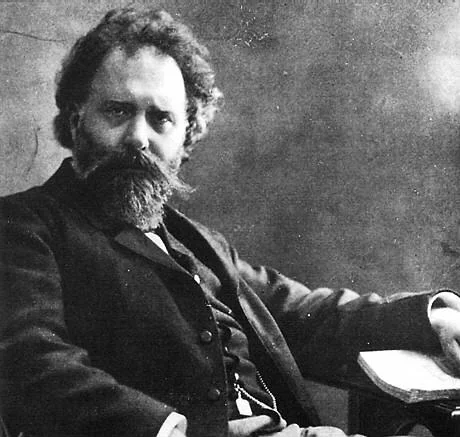
Image from Wikipedia
Image from Wikipedia
Wilhelm Kienzl – the great Austrian opera poet between folk song, verismo, and post-romanticism
A composer who shaped Austrian music theater
Wilhelm Kienzl is considered one of the most distinctive Austrian composers of the late Romantic era. Born on January 17, 1857, in Waizenkirchen and died on October 3, 1941, in Vienna, he developed an artistic profile that remarkably intertwines opera, song, piano music, and cultural-historical significance. His name is still primarily associated with a specifically Austrian form of music theater, where popular expression, romantic sound language, and dramatic condensation come together. ([deutsche-biographie.de](https://www.deutsche-biographie.de/gnd118777149.html))
Biography: Education, influences, and the journey to Graz, Hamburg, and Munich
Kienzl received his musical education in Vienna, where he studied composition and early on established himself as a versatile musician. His career initially took him on journeys through Southeast Europe and Germany before he assumed roles as an opera conductor in various leading music centers. Stops in Amsterdam and Krefeld, followed by positions in Graz, Hamburg, and Munich, demonstrate an artist who did not remain in the shadow of a single institution, but asserted himself in different musical environments. ([deutsche-biographie.de](https://www.deutsche-biographie.de/gnd118777149.html))
His time in Graz was particularly formative, where he served for many years as the director and conductor of the Styrian Music Society and also made a journalistic presence as a music editor. He remained artistically active in Vienna as well, hosting private house concerts and composing the melody for “Deutschösterreich, du herrliches Land” in 1919, the unofficial state anthem of the First Austrian Republic. This combination of creative work, public impact, and cultural-political relevance makes Kienzl a central figure in Austrian music history. ([deutsche-biographie.de](https://www.deutsche-biographie.de/gnd118777149.html))
The breakthrough with “Der Evangelimann”
His decisive breakthrough came in 1894 with his third and most famous opera, “Der Evangelimann,” which premiered in Berlin in 1895. This work not only became Kienzl's greatest success but was also the longest-lasting of his stage works and made him internationally known. Especially the aria “Selig sind, die Verfolgung leiden” became a fixed point of reception and secured the work a permanent place in the repertoire. ([deutsche-biographie.de](https://www.deutsche-biographie.de/gnd118777149.html))
In music theater, the true strength of the composer emerged: Kienzl mastered the art of charging dramatic situations with melodic directness and emotional clarity. His operas speak a language that does not rely on abstract experimentation but on immediate human address, clear character depiction, and a stage that translates everyday life, religiosity, and conflict into vibrant sound drama. This is where the appeal of his operatic art lies even today. ([deutsche-biographie.de](https://www.deutsche-biographie.de/gnd118777149.html))
“Der Kuhreigen” and later stage works
After the success of “Evangelimann,” Kienzl managed to achieve a comparable popularity with “Der Kuhreigen” in 1911 in Vienna, albeit only temporarily. “Das Testament” from 1916 also underscores his status as a representative of an independent Austrian folk opera. These works combine romantic tradition with veristic colors and a sense for folk-like nuances that give his operas a distinctive tone. ([deutsche-biographie.de](https://www.deutsche-biographie.de/gnd118777149.html))
In retrospect, it becomes clear that Kienzl did not rely on monumental symphonic compositions; rather, he shaped his oeuvre from stage works, songs, and smaller forms. The German Biography describes his work as stylistically influenced by Schumann, with sometimes strong Wagner influence, and a marked preference for folk-song-like turns. This blend explains why his music remains historically grounded yet immediately accessible. ([deutsche-biographie.de](https://www.deutsche-biographie.de/gnd118777149.html))
Musical language: Song art, romanticism, and an awareness of everyday scenes
Kienzl's art thrives on melodic tension, singing lines, and a clear sense for vocal declamation. In contemporary circles, he was considered alongside Hugo Wolf to be one of the most significant song composers since Schubert, and this assessment refers to the quality of his vocal music. His numerous piano pieces range from pedagogically oriented works to romantic character pieces that unfold poetic nuances and finely crafted atmospheres. ([deutsche-biographie.de](https://www.deutsche-biographie.de/gnd118777149.html))
Especially in the everyday scenes of his operas, a particular strength is evident. Kienzl is interested not only in grand historical gestures but also in social realities, human closeness, and the dramaturgy of the ordinary. This gives his work an emotional directness that resonates with contemporary listeners because it becomes understandable from the music itself without relying on historical prior knowledge. ([en.wikipedia.org](https://en.wikipedia.org/wiki/Wilhelm_Kienzl))
Discography and reception: Which works endure to this day
In modern reception, “Der Evangelimann” is at the center, as evidenced by its presence in labels and catalogs. Warner Classics includes Kienzl with a release related to this work, and American Historical Recordings explicitly mention him as the composer of “Evangelimann.” Additionally, individual arias, songs, and arrangements appear on streaming platforms, showcasing that his name remains visible in the classical repertoire. ([warnerclassics.com](https://www.warnerclassics.com/artist/wilhelm-kienzl))
The critical assessment is clear: Kienzl is regarded as a significant opera composer of the romantic post-Wagner era, whose stage works represent his strongest side. While his operas only occasionally appear in the repertoire, their cultural-historical value remains high because they represent a distinctive Austrian variant of music theater. Reception highlights especially that Kienzl combined popular expression, a connection to the homeland, and dramatic effectiveness in a way that creates an unmistakable profile. ([deutsche-biographie.de](https://www.deutsche-biographie.de/gnd118777149.html))
Later years, political shadows, and historical context
After World War I, Kienzl lived in Vienna and withdrew from composing for health reasons in 1936. It is noteworthy that he publicly expressed support for Hitler's regime in Germany in 1933; the reception of his persona is thus historically burdened and requires a nuanced context. When dealing with historical artistic figures, this context is part of the truth of the overall picture and must not be overlooked. ([en.wikipedia.org](https://en.wikipedia.org/wiki/Wilhelm_Kienzl))
Regardless of these shadows, Kienzl's significance in music history is undeniable. He was a composer who not only managed the Austrian opera tradition but further developed it with his own signature style. His music tells of the power of singability, emotional clarity, and a theatrical practice that moves between romantic heritage and realistic focus. ([deutsche-biographie.de](https://www.deutsche-biographie.de/gnd118777149.html))
Cultural influence: Why Wilhelm Kienzl remains relevant today
Kienzl's influence lies less in a continuous presence on international opera stages than in his position within Austrian music history. He represents a tradition in which opera is conceived not as elitist and abstract, but as narrative, close to the people, and simultaneously artistic. This is precisely why “Der Evangelimann” remains a reference work when it comes to the development of the late romantic folk opera. ([deutsche-biographie.de](https://www.deutsche-biographie.de/gnd118777149.html))
The surviving portraits, catalog entries, and repertoire notes also demonstrate that Kienzl remains a historical figure in cultural memory. The Wien Museum documents him as a composer portrait, Helbling includes him in their catalog, and international databases point to the ongoing bibliographic and music-historical relevance. For an artist figure of the 19th and early 20th centuries, this is a clear sign of lasting visibility. ([sammlung.wienmuseum.at](https://sammlung.wienmuseum.at/en/object/412670-wilhelm-kienzl-1857-1941-komponist/))
Those who discover Wilhelm Kienzl today encounter a composer with a strong sense of melody, scene, and emotional truth. His operas merge historical color with immediate impact, his songs show a fine sense of form, and his place within the canon of Austrian music remains remarkably independent. This is precisely why it is worthwhile to hear his works anew and rediscover the unique sound world of this composer. ([deutsche-biographie.de](https://www.deutsche-biographie.de/gnd118777149.html))
Conclusion: An opera composer with a distinctive signature
Wilhelm Kienzl fascinates as an artist caught between late Romanticism, popular connection, and dramatic intensity. His musical career took him through important centers of German-speaking musical life, yet his true strength lay in the independent composition of music theater. Those who listen to his operas experience a composer who uniquely unites the sense for stage, voice, and cultural identity. ([deutsche-biographie.de](https://www.deutsche-biographie.de/gnd118777149.html))
This is precisely why Kienzl remains exciting: he is not a spokesperson for the obvious but a master of clever, lyrical emphasis. His works deserve to be rediscovered and experienced live, as they make the richness of the Austrian opera tradition audible in concentrated form. ([deutsche-biographie.de](https://www.deutsche-biographie.de/gnd118777149.html))
Official channels of Wilhelm Kienzl:
- Instagram: no official profile found
- Facebook: no official profile found
- YouTube: no official profile found
- Spotify: no official profile found
- TikTok: no official profile found