
Konzerthausorchester Berlin
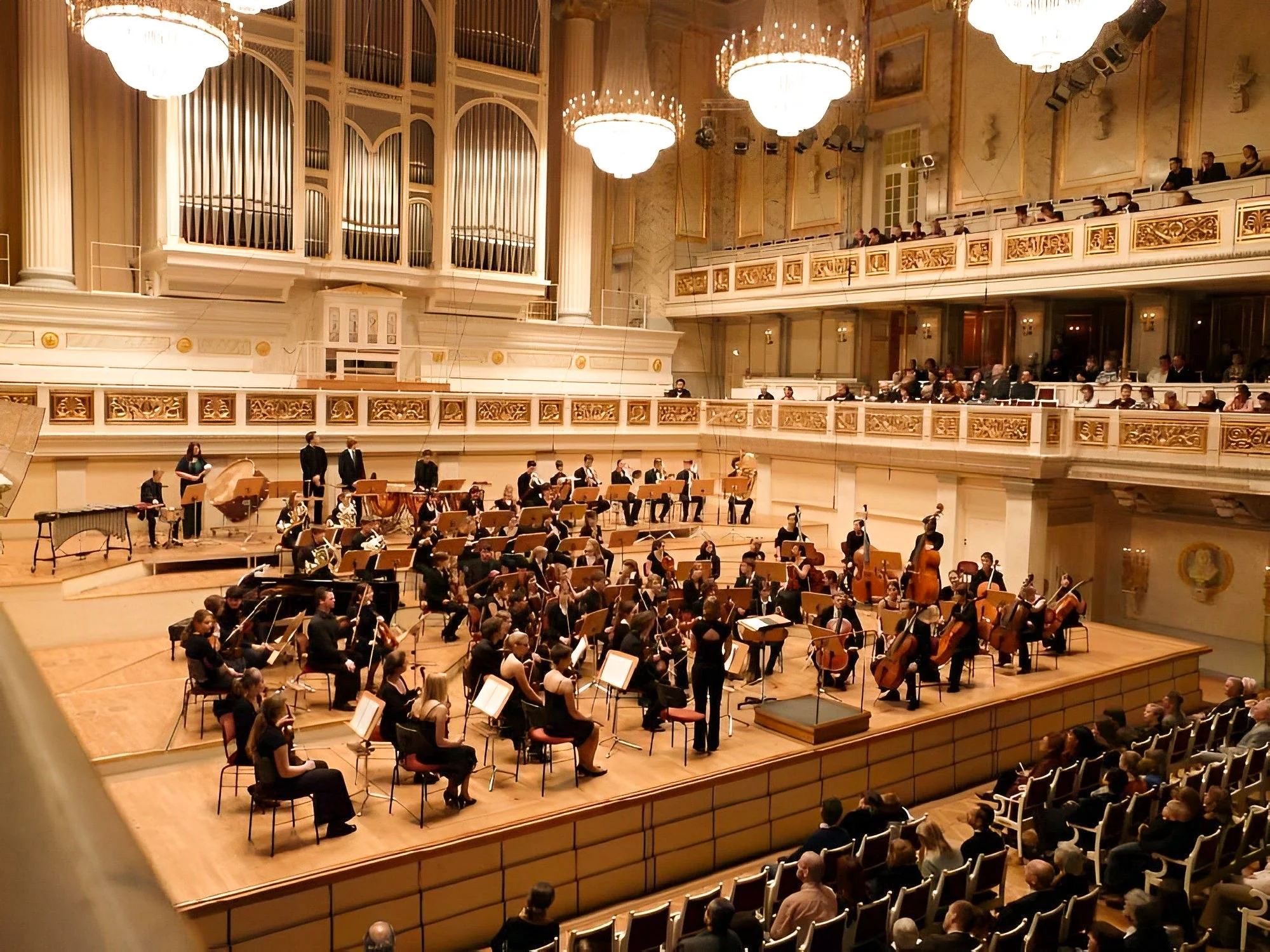
Image from Wikipedia
Image from Wikipedia
Konzerthausorchester Berlin – Sound Culture from Gendarmenmarkt
An Orchestra with Berlin DNA: From BSO to Konzerthausorchester
Rooted in the history of the city, the Konzerthausorchester Berlin has influenced the musical culture of the capital for decades. Newly founded in 1952 in East Berlin as the Berliner Sinfonie-Orchester (BSO) and renamed Konzerthausorchester Berlin in 2006, the ensemble is firmly based in the Schinkel building at Gendarmenmarkt. Its musical journey has led from the post-war reconstruction period through international recognition under prominent chief conductors to the current era under Joana Mallwitz. This artistic development blends tradition, a curious programming approach, and a remarkable stage presence, making Berlin's music history experienceable in the here and now.
The venue in the historic Schauspielhaus – now Konzerthaus Berlin – provides the orchestra with acoustic finesse and architectural brilliance. Here, symphonic cycles, cross-genre projects, and recordings emerge that shape artistic signatures. The orchestra sees itself as an open, dialogue-oriented ensemble that engages its audience: through expeditions into the repertoire, interactive formats, and contemporary digital initiatives.
Biography: Structure, Profile, Chief Conductors
The institutional biography of the orchestra begins in 1952 with its re-establishment as a municipal ensemble in East Berlin. During this period, long-time chief conductor Kurt Sanderling (1960–1977) shaped the symphonic core: clear dramaturgy, careful arrangement, interpretive depth – particularly focusing on Mahler and Shostakovich. The artistic authority of his conducting established a lasting reputation. This was followed by influential tenures from Günther Herbig, Claus Peter Flor, and Michael Schønwandt, during which the ensemble secured a permanent venue at Gendarmenmarkt and became entrenched as the house orchestra of the Konzerthaus. Under Eliahu Inbal, Lothar Zagrosek, and later Iván Fischer – currently Honorary Conductor – the orchestra sharpened its profile through tours, new sound ideals, and a vibrant engagement with both classical-romantic and contemporary repertoire. From 2019/20, Christoph Eschenbach led the ensemble, before Joana Mallwitz took over as chief conductor in 2023/24 – a generational and perspective shift with significant implications.
The renaming in 2006 to Konzerthausorchester Berlin marked a programmatic turning point: the ensemble defined its identity even more distinctly through its venue, audience, and city. This self-understanding continues to influence artistic development today: historically informed, contemporary-minded, and audience-oriented. The discography documents these milestones just as much as the performance practice, which relies on precision in orchestral balance, intelligent phrasing, and a flexible, cross-genre musical language.
Present with Profile: Joana Mallwitz and the New Energy
With chief conductor Joana Mallwitz, a distinctly new phase begins. Her rehearsal work focuses on transparency of orchestration, articulate precision, and dramatic arcs that close from composition to performance. In musical leadership, she connects narrative programming with analytical clarity – visible in expedition concerts, dialogue-based formats, and moderated introductions that unveil composition, structure, and sound dramaturgy. The kickoff of the 2023/24 season – featuring the First Symphonies by Prokofiev, Weill, and Mahler – positioned the ensemble as an inquisitive narrator of musical epochs. In 2024/25, a dance-influenced opening followed with Sheku Kanneh-Mason as Artist in Residence; from 2025/26 onward, new series and resident artists will accentuate the programmatic signature.
This musical career in recent years demonstrates how consistently the orchestra connects artistic development with cultural participation: premieres, debuts, livestreams, and a growing media presence accompany the season planning. The result is a fresh stage presence that combines international attention with local grounding.
Current Season 2025/26: Berlin Tracks, Heart Over Head, and Tour Plans
The 2025/26 season stands for curatorial openness and urban dialogues: “Berlin Tracks” connects classical orchestral culture with Berlin scenes from folklore to electropop, while the salon format “Heart Over Head” opens personal perspectives on music. Artistic focal points include Artist in Residence Alice Sara Ott and Composer in Residence Bryce Dessner, whose energetic sound language – rhythmically driven, structurally clear, sensually accessible – allows the orchestra to profile itself between classical sound architecture and contemporary production. The season opener bridges from Ravel's Boléro through Dessner's Piano Concerto to Beethoven and Anna Meredith – a conscious statement for repertoire and sound diversity.
In February 2026, a new recording project with Deutsche Grammophon is planned: Haydn's “Creation” with the Konzerthausorchester and Joana Mallwitz. In May 2026, a tour will take the ensemble to Essen, Hamburg, Linz, Nuremberg, and Cologne – accompanied by Alice Sara Ott. This planning reflects the balance of Berlin presence and international outreach; it strengthens the profile as a flexible top orchestra with a clear artistic signature.
Digital Initiatives: Twitch, AR, VR – and #klangberlins
The orchestra sets standards in digital communication. With the livestream series “Spielzeit” on Twitch, it opens rehearsal spaces, instrument studies, and the daily life of musicians – an interactive format with a wide reach that cleverly utilizes gamification elements for cultural education. In parallel, the Konzerthaus is experimenting digitally with VR formats, the orchestra box, and cross-media projects that rethink sound, space, and audience situations. This enhances the experiential level and makes artistic processes transparent.
#klangberlins has already gone viral: 13 humorous, precisely arranged clips translate everyday sounds of Berlin into orchestral textures – a project that won several media awards and made the orchestra's experimental spirit visible. These projects demonstrate expertise in production and content strategy: careful sound design, pointed dramaturgy, and targeted engagement with new audiences.
Discography: Weill on DG, Brahms & Goldmark, and the “Creation” in Sight
The discography of recent years shows strategic highlights. With Joana Mallwitz, “The Kurt Weill Album” was released in 2024 – a sound-dramatic triptych of Weill's two symphonies and “The Seven Deadly Sins.” The recording emphasizes orchestral colors, rhythmic contours, and the shifting states between concert hall and stage. A 2025 release featuring Brahms’ and Goldmark’s violin concertos documents the historically lyrical side of the repertoire. For 2026, Haydn's “Creation” is announced – a repertoire pillar that will reinterpret transparency of voice leading, choir-orchestra balance, and classical formal architecture under studio conditions.
This production activity underscores the orchestra's profile: sonic elegance, precise articulation, a natural sense of orchestral breathing. Overall, a discography emerges that does not aim for sheer quantity but for curatorial significance and interpretive signature.
Critical Reception: Press Echo and Artistic Authority
The international music press recognizes the first DG production with Joana Mallwitz as an intense, stylistically confident statement – with particular attention to the muscular energy of the Weill symphonies and the theatrically sharp impact of “The Seven Deadly Sins.” This echo reflects the orchestra's authority in connecting historical context, contemporary interpretation, and sonic precision. The season openings for 2024/25 and 2025/26 also garnered media attention – not least due to the openings in livestreams, collaborations with artists in residence, and the prominent placement of new works in the program framework.
Rooted in Berlin, perceived internationally: this reception line confirms the trustworthy programming work that the ensemble shares with the house – and the willingness to intertwine audience-oriented communication with artistic risk-taking.
Programmatic Signature: Repertoire, Composition, Arrangement
Stylistically, the Konzerthausorchester moves confidently between classical-romantic core literature and modern works. Careful tempo architecture, transparent voice leading, and cultivated woodwind colors characterize the sound. In the composition of the program – from Beethoven and Ravel to Weill, Dessner, and Meredith – expertise for contrasts that engage musical epochs in dialogue is evident. The arrangement of the seasonal nights makes the dramaturgy audible: transitions between tonality and expanded sound languages, between symphonic flow and pulse-based energy of contemporary works.
This artistic development is nourished by a reflective rehearsal culture and a passion for storytelling: expedition concerts with analytical approaches, participatory formats, and collaborative projects with guests from various scenes. This creates a repertoire image that reveals stylistic-historical lines while stimulating new listening habits.
Cultural Influence: Participation, Urban Society, Education
As the house orchestra of Konzerthaus Berlin, the ensemble has an impact on the city: low-threshold offerings, digital streams, educational formats from the orchestra box to the Academy. These initiatives expand cultural participation, foster new talent, and connect artistic excellence with social responsibility. Campaigns like “Your voice for MUSIC” emphasize the value of musical infrastructure in Berlin; collaborations, residencies, and new series engage urban communities and international guests.
Thus, the orchestra unfolds its influence beyond the concert hall: it creates resonant spaces where music becomes an experiential social practice – with artistic quality, transparency of work, and the inclusion of a diverse audience.
Conclusion: Why Experience the Konzerthausorchester Berlin Now?
Because here, a traditional orchestra plays with fresh energy. The combination of a clear artistic profile, precise orchestral culture, curated programs, and bold digital strategy makes every night a sensually intellectual experience. The upcoming projects – from Dessner’s orchestral update to the Haydn recording – demonstrate how vibrant the symphonic canon can sound in 2026. Those seeking symphonic excellence with narrative power should hear this orchestra live: best in the Grand Hall of the Konzerthaus – in the heart of Berlin, in the midst of sound.
Official Channels of Konzerthausorchester Berlin:
- Instagram: No official profile found
- Facebook: No official profile found
- YouTube: No official profile found
- Spotify: No official profile found
- TikTok: No official profile found
Sources:
- Wikipedia – Konzerthausorchester Berlin
- Konzerthaus Berlin – Presentation of the 2025/26 Season (Press)
- Berlin.de – Concert for the 2025/26 Season Opening (Program Note)
- ARTE Concert – Season Opening 2025/26 (Program and Stream Window)
- The Guardian – Review "The Kurt Weill Album," August 8, 2024
- Apple Music – Konzerthausorchester Berlin (Releases)
- Konzerthaus Berlin – “Spielzeit” on Twitch (Project Page)
- Konzerthaus Berlin – #klangberlins (Project and Award Overview)
- Konzerthaus Berlin – Opening of the 2024/25 Season (Press)
- STAGE+ – Season Opening 2024/25 (VOD)
- Wikipedia: Image and Text Source
Upcoming Events
Konzerthausorchester Berlin with Mallwitz / Mahler #5 in Bielefeld
Kissinger Summer 2026: Konzerthausorchester Berlin
Concert Hall Orchestra Berlin at the Max-Littmann Hall
Concert House Orchestra Berlin