
Maria Imma Mack
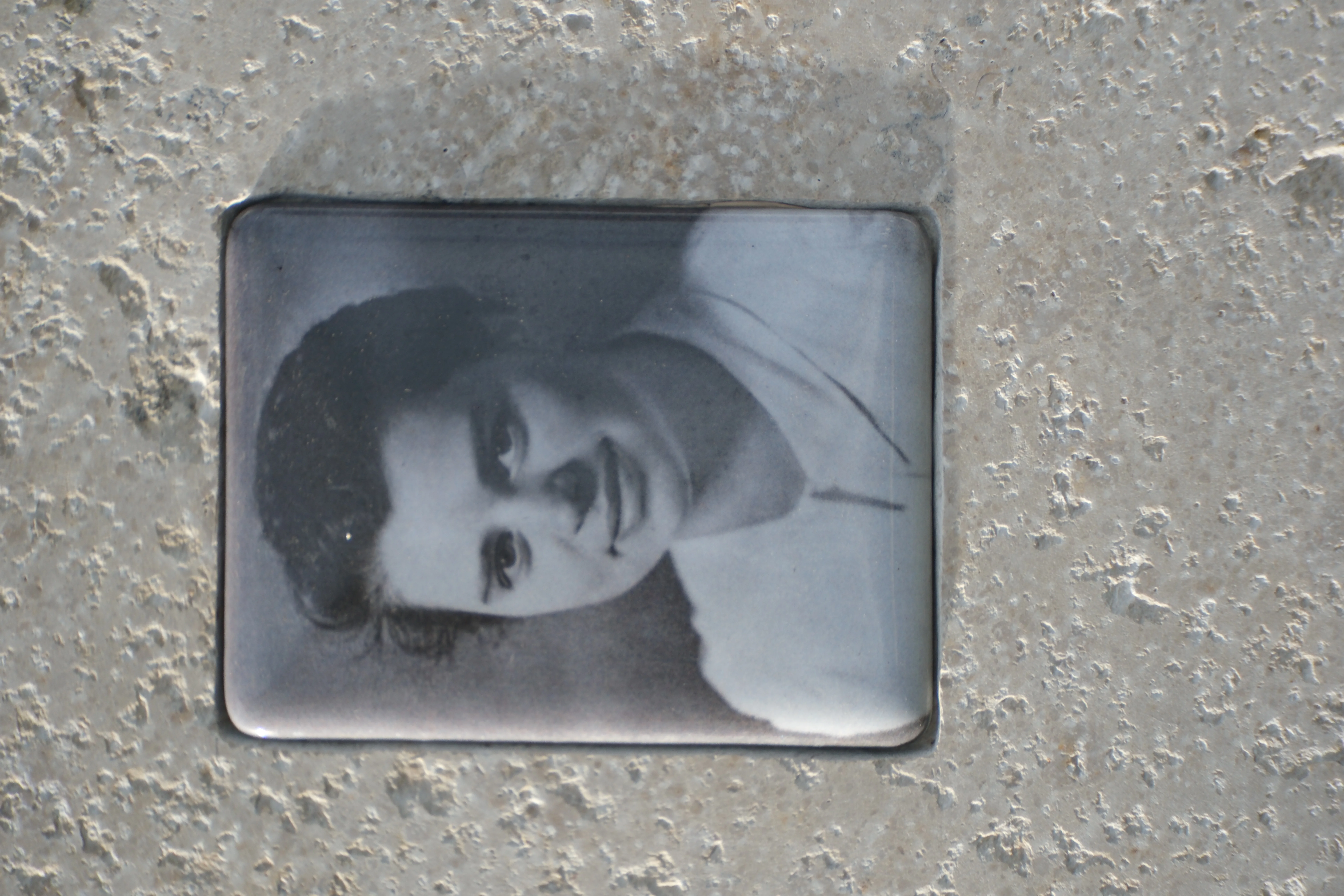
Image from Wikipedia
Image from Wikipedia
Maria Imma Mack – A Silent Heroine of Conscience and Humanity
A nun who showed strength in the darkest of times
Maria Imma Mack, born Josefa Mack on February 10, 1924, in Möckenlohe near Eichstätt, belongs to those biographies that make an impact not through noise, but through moral consistency. As a sister of the Poor School Sisters of Our Lady in Munich, she became a secret helper for prisoners in the Dachau concentration camp under the alias "Mädi." Her life exemplifies civil courage, fidelity to faith, and a form of humanity that proved itself in the face of terror. ([de.wikipedia.org](https://de.wikipedia.org/wiki/Maria_Imma_Mack))
Biography: Origin from Möckenlohe and the Path to the Order
Josefa Mack grew up in a craftsman family in Möckenlohe and joined the Poor School Sisters at the age of 16. Her early religious calling took her to Munich and Freising, where she initially worked within the order and thus came into close proximity to those historic places where her later courage would manifest. Her life story is closely associated with the Catholic milieu of Upper Bavaria, which shaped her stance and framed her later actions. ([donaukurier.de](https://www.donaukurier.de/lokales/landkreis-eichstaett/adelschlag-gedenkt-seiner-grossen-tochter-schwester-imma-mack-15404816))
The step from a young nun to a secret helper during National Socialism did not come out of political calculation, but from the immediate shock of what she witnessed in Dachau. When she first visited the concentration camp in 1944, her assignment seemed harmless: to collect flowers from the camp's gardening facility. However, witnessing the suffering of the prisoners fundamentally altered her path and made her a woman who prioritized responsibility over fear. ([domradio.de](https://www.domradio.de/artikel/vor-100-jahren-wurde-die-ordensfrau-imma-mack-geboren))
The Trips to Dachau: Help at the Risk of Life
Between May 1944 and April 1945, Maria Imma Mack traveled weekly to Dachau, riding her bike in the summer and pulling a sled in the winter. Under the pretense of buying flowers, she provided prisoners with food and later also with medications, hosts, sacramental wine, candles, and other liturgical items. These regular trips made her a quiet yet highly risky intermediary between the camp and the outside world. ([de.wikipedia.org](https://de.wikipedia.org/wiki/Maria_Imma_Mack))
Particularly significant was her willingness to smuggle letters out of the camp, thereby enabling contacts between the incarcerated, their relatives, and Archbishop Michael von Faulhaber. She knew that such actions were punishable by death, yet she continued to act. In this decision, the historical significance of her actions crystallizes: no, her true "career" was a career of conscience, driven by faith, determination, and a willingness to sacrifice her own safety. ([de.wikipedia.org](https://de.wikipedia.org/wiki/Maria_Imma_Mack))
Karl Leisner and the Priesthood Ordination in Dachau Concentration Camp
One of her most important tasks was supporting the secret priestly ordination of the imprisoned deacon Karl Leisner by fellow inmate Bishop Gabriel Piguet. Maria Imma Mack smuggled hosts, sacramental wine, candles, oils, and vestments into the camp for this purpose. This act made her a key figure in one of the most extraordinary spiritual acts of the Nazi era: the only priestly ordination of a Catholic priest in a concentration camp. ([de.wikipedia.org](https://de.wikipedia.org/wiki/Maria_Imma_Mack))
This very moment illustrates the historical significance of her biography. Maria Imma Mack combined practical help with liturgical sensitivity and political risk; her actions were not abstract but concrete, material, and closely related to life. Sources depict a woman who did not capitulate under extreme pressure, but rather translated her Christian conviction into action. ([de.wikipedia.org](https://de.wikipedia.org/wiki/Maria_Imma_Mack))
Memories, Book, and Later Self-Description
Maria Imma Mack documented her experiences in 1989 in the book "Warum ich Azaleen liebe," which records her trips to the plantation of the Dachau concentration camp. The title may seem gentle, even poetic at first, but the content points to a reality of violence, fear, and responsibility. It is this tension between external restraint and internal steadfastness that makes the text and biography remarkable to this day. ([de.wikipedia.org](https://de.wikipedia.org/wiki/Maria_Imma_Mack))
In her memories and later portraits, it becomes clear that she did not view her actions as a heroic self-presentation. Rather, she described her efforts as help "under great difficulties and dangers" and as an attempt to bring a little comfort. This language is modest, yet it opens up a perspective on an extraordinary artistic development of life itself: not in the sense of music, but in terms of an ethical shaping through experience, burden, and loyalty. ([gerhardinger.org](https://gerhardinger.org/de/schwester-m-imma-mack/))
Awards and Public Recognition
For her commitment, Maria Imma Mack received numerous honors. These include the Bavarian Order of Merit, induction into the French Legion of Honor as a Knight, the Federal Cross of Merit 1st Class, and the Medal of Honor "Pro Ecclesia et Pontifice." These awards demonstrate that her actions were recognized not only locally but also regionally and internationally as symbols of reconciliation and courage. ([domradio.de](https://www.domradio.de/artikel/vor-100-jahren-wurde-die-ordensfrau-imma-mack-geboren))
Her memory also lives on in the public domain. Among other things, schools named after her include a secondary school in Eching, a street in Munich-Au, an Imma-Mack-Weg in Möckenlohe, as well as a square and a student dormitory. For her 100th birthday, a memorial plaque was additionally placed at the cemetery wall in her hometown. Such memorial sites show how permanently her story is anchored in the collective memory. ([de.wikipedia.org](https://de.wikipedia.org/wiki/Maria_Imma_Mack))
Cultural Influence: A Moral Reference Figure for the Present and Memory Culture
Today, Maria Imma Mack stands not only for ecclesiastical contemporary history but also for a form of resistance that arises from empathy. Her biography is told in ecclesiastical, regional, and remembrance contexts as an example of how individuals can take on responsibility in extreme situations. Particularly in the culture of remembrance surrounding Dachau, she holds a firm place as a "shining example" of humanity and Christian charity. ([donaukurier.de](https://www.donaukurier.de/lokales/landkreis-eichstaett/adelschlag-gedenkt-seiner-grossen-tochter-schwester-imma-mack-15404816))
Her life possesses a rare narrative power: the young nun pulling a sled in winter, riding a bike in summer, hiding food and hosts, and smuggling letters out so that people do not lose their dignity. This vividness has contributed to her story being passed down to this day. In the memory of Dachau, she thus symbolizes practical charity, courage without pathos, and a historical attitude that still sets standards today. ([de.wikipedia.org](https://de.wikipedia.org/wiki/Maria_Imma_Mack))
Conclusion: Why Maria Imma Mack Fascinates to This Day
Maria Imma Mack fascinates because her life story shows how significant a single, consistently lived decision can be. She acted not out of a desire for fame, but from faith, compassion, and a clear sense of responsibility. Anyone interested in history, moral courage, and the quiet heroines of the 20th century will find in her one of the most impressive personalities of her time. ([de.wikipedia.org](https://de.wikipedia.org/wiki/Maria_Imma_Mack))
Her legacy continues to resonate today in books, memorial plaques, naming tributes, and places of remembrance. That is precisely why it is worthwhile to read her story anew and to retell it. Maria Imma Mack remains a name synonymous with humanity under extreme conditions—and a reason to not only preserve memory but to keep it alive. ([de.wikipedia.org](https://de.wikipedia.org/wiki/Maria_Imma_Mack))
Official Channels of Maria Imma Mack:
- Instagram: No official profile found
- Facebook: No official profile found
- YouTube: No official profile found
- Spotify: No official profile found
- TikTok: No official profile found
Sources:
- Wikipedia – Maria Imma Mack
- Orden.de – Sister Imma Mack passed away
- DOMRADIO.DE – 100 years ago, Sister Imma Mack was born
- Congregation-wide Website – Sister M. Imma Mack
- Bistum Eichstätt – Moved by the Holy Spirit: People who make a difference
- Donaukurier – Adelschlag honors its great daughter Sister Imma Mack
- Wikipedia: Image and text source