
Maria Imma Mack
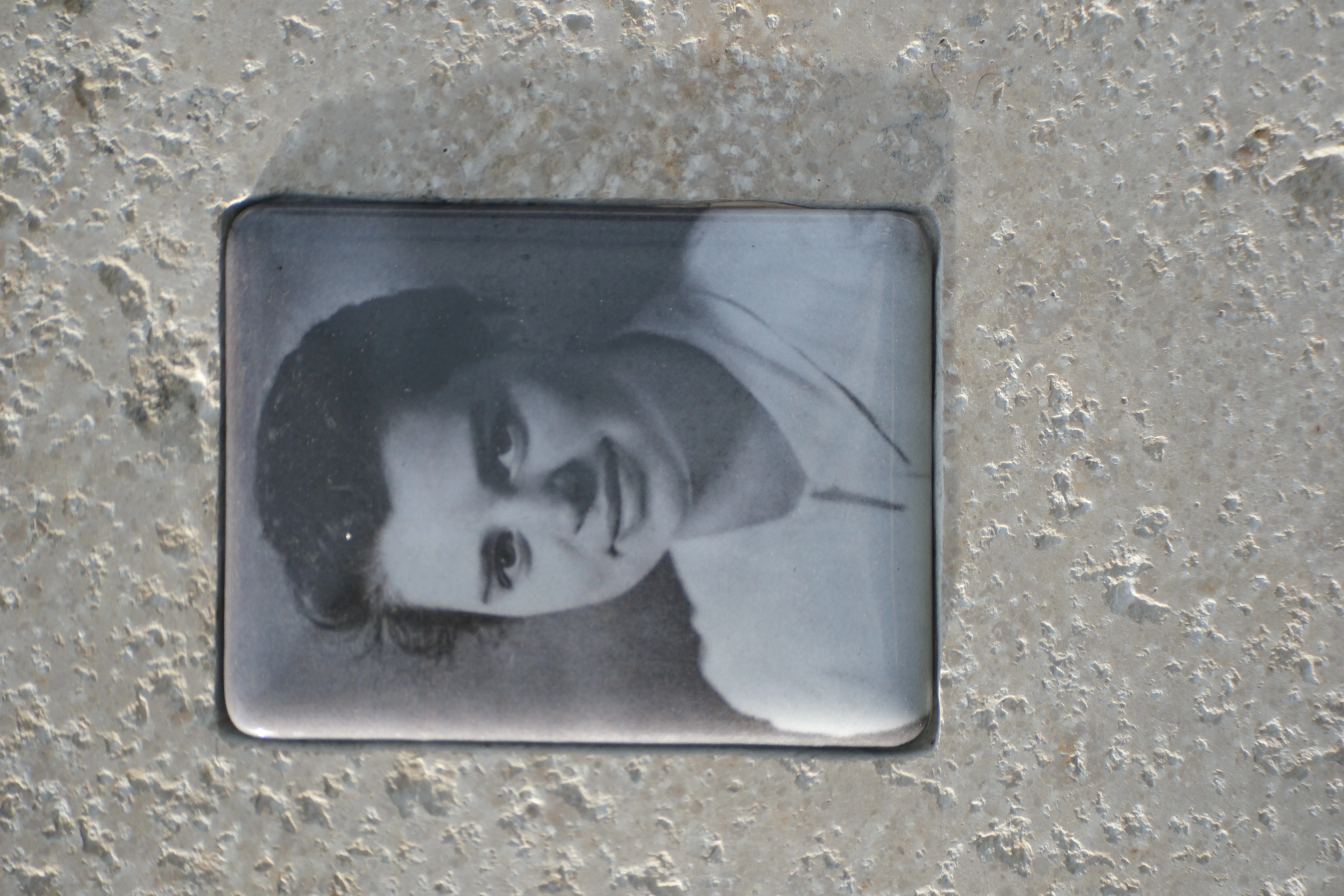
Image from Wikipedia
Image from Wikipedia
Maria Imma Mack: The Courageous Nun from Dachau and Her Legacy of Conscience
A Biography that Combines Courage, Humanity, and Resilience
Maria Imma Mack, born Josefa Mack on February 10, 1924, in Möckenlohe near Eichstätt, is one of those historical figures whose life path extends far beyond a single affiliation. She became known as a nun of the Congregation of the Poor School Sisters of Our Lady in Munich, particularly for her clandestine efforts on behalf of the prisoners of the Dachau concentration camp. Under the alias “Mädi,” she provided inmates with food, letters, and liturgical items, risking her own life in the process.
Her name symbolizes quiet determination, Christian charity, and civil courage in one of the darkest phases of German history. Anyone who delves into her life story encounters a woman who did not rely on grand words but on concrete assistance. This combination of humility and risk continues to make Maria Imma Mack an impressive figure of remembrance culture to this day.
Childhood and Spiritual Calling
Josefa Mack grew up in Möckenlohe near Eichstätt and entered the community of the Poor School Sisters in 1940 as a candidate. Early on, she was shaped by a life marked by piety, discipline, and a sense of social responsibility. In 1942, she worked as an assistant in the order's children's home in Freising before falling into the closer vicinity of the Dachau concentration camp.
The path to the convent was not merely a formal step for her but the beginning of a way of life where serving others was central. She later took on the religious name Maria Imma, signifying belonging and spiritual renewal after the war years. Her biography illustrates how strongly religious conviction can be translated into concrete action.
The Quiet Resistance at Dachau Concentration Camp
A decisive turning point came in 1944 when she received her first assignment to purchase plants and flowers for the camp’s garden. There, she witnessed the prisoners' suffering firsthand and responded not with distance but with help. Together with her fellow sisters, she began to hoard food and smuggle it into the camp.
Between May 1944 and April 1945, she traveled weekly to Dachau, in summer by bicycle and in winter with a sled. Under the pretense of buying flowers, she brought in food, later also medicine, sacramental wine, hosts, and candles. At the same time, she smuggled letters from prisoners out, maintaining their connection with their loved ones.
This commitment occurred under conditions of utmost danger. She knew that her actions could have life-threatening consequences. Precisely for this reason, her work possesses extraordinary moral weight: it was lived humanity in the face of systemic inhumanity.
Post-War Period, Religious Life, and Written Testimony
In 1945, Maria Imma Mack entered the novitiate of the Poor School Sisters of Our Lady in Munich, and a year later, she made her profession. In 1951, she passed her master’s examination as a ladies' tailor, adding another practical qualification to her life path. Her daily life remained shaped by religious life, work, and quiet service to others.
Her written testimony about the war period is particularly significant. In 1989, she published her memoirs titled Why I Love Azaleas, in which she documented her experiences during the Nazi era and her trips to the Dachau camp's plantation. This book not only preserves personal memories but also documents a historical consciousness of great authenticity.
Her account is one of the most striking sources from that time because it makes the grand visible in the small. Not ideological rhetoric, but observed reality, concrete names, paths, and actions shape her legacy. Thus, Maria Imma Mack remains present not only as a helper but also as a witness in the collective memory.
Recognition, Remembrance, and Public Honor
The significance of her actions has been widely recognized posthumously. In 2001, she received the award from the city of Munich München leuchtet. In 2004, she was inducted into the French Legion of Honor because many of the prisoners she assisted were French. In addition, she received the Federal Cross of Merit, First Class, in 2005.
Even after her death on June 21, 2006, in Munich, her name remained prominent. She was buried in the Munich East Cemetery, and various places today commemorate her, including the Imma-Mack-Weg in Munich and a student dormitory in Ingolstadt. Such naming conventions demonstrate how individual civil courage can become a lasting public memory.
The honors clearly show that her work extends far beyond the religious sphere. Maria Imma Mack represents a form of historical authority that stems not from power but from attitude. Her life is evidence that courageous action can gain societal significance even without loud gestures.
Why Her Story Remains Important Today
Maria Imma Mack is a figure of remembrance culture because her story makes concrete responsibility visible. She did not act abstractly against injustice but in everyday life, with baskets, bicycles, letters, and food. This is where the lasting power of her biography lies: morality becomes action.
For contemporary readers, her life path offers an impressive access to the history of small-scale resistance. Her attitude reminds us that humanity can be preserved even under extreme conditions. This makes her one of the most remarkable nuns in German contemporary history.
Conclusion: A Life that Makes History Out of Conscience
Maria Imma Mack fascinates because she did not stage courage but practiced it. Her commitment to the prisoners of Dachau, her persistent actions, and her later testimony in book form create the portrait of a woman who stood for dignity against violence. Anyone engaging with her will encounter a biography of extraordinary inner consistency.
Her story resonates because it shows how much a single person can effectuate in a decisive moment. For this reason, Maria Imma Mack remains an impressive personality in the history of German remembrance. Those who wish to understand her life’s achievements should delve deeper into her biography and consciously visit the places of her work.
Official Channels of Maria Imma Mack:
- Instagram: no official profile found
- Facebook: no official profile found
- YouTube: no official profile found
- Spotify: no official profile found
- TikTok: no official profile found