
Maria Imma Mack
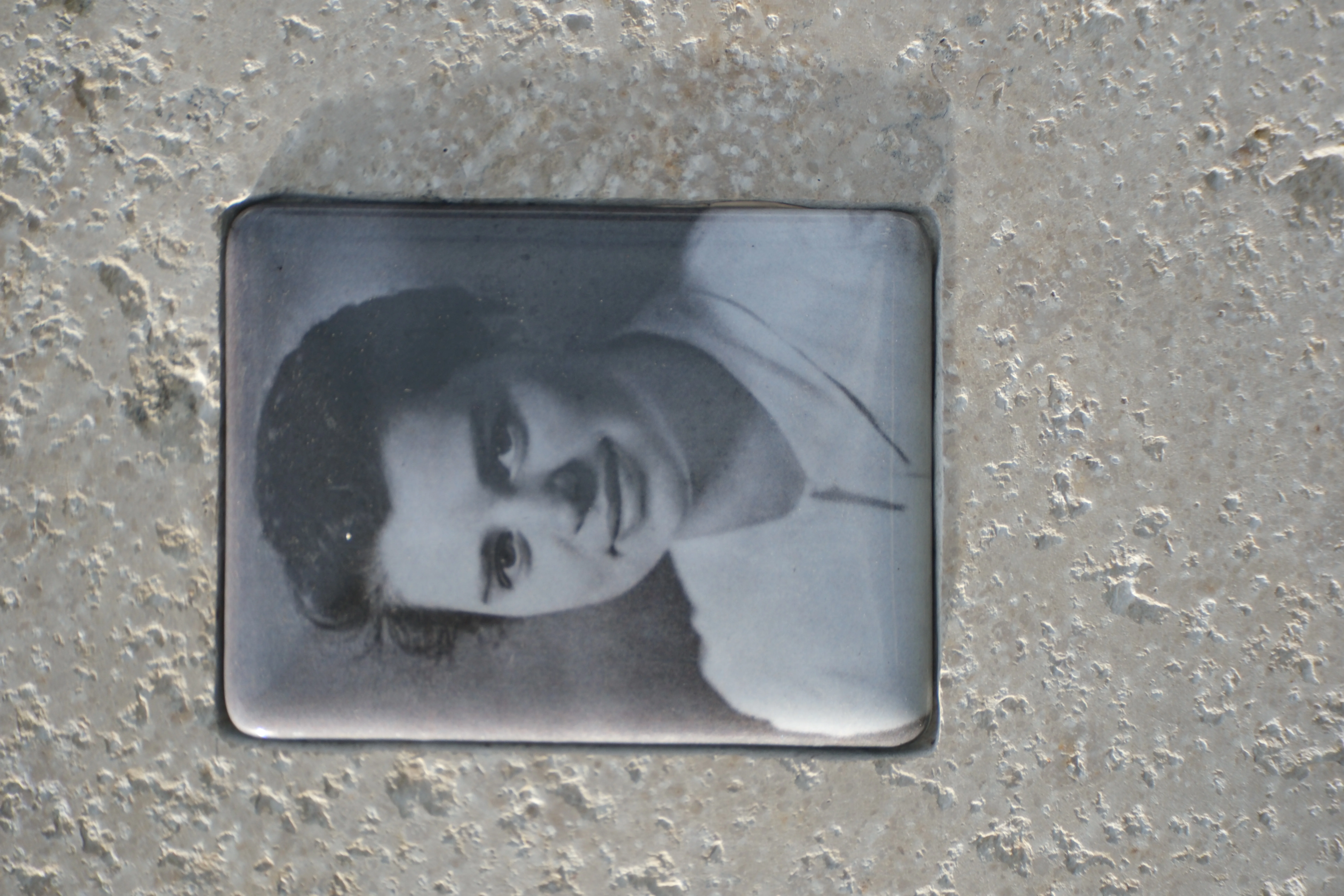
Image from Wikipedia
Image from Wikipedia
Maria Imma Mack – Courage, Humanity, and Resistance in the Shadow of Dachau
A Nun Who Secretly Saved Lives
Maria Imma Mack, born on February 10, 1924, as Josefa Mack in Möckenlohe near Eichstätt, is one of those quiet figures in contemporary history whose significance is manifested not through loud gestures but through consistent action. As a sister of the Congregation of the Poor School Sisters of Our Lady in Munich, she became a woman who, under the codename “Mädi,” secretly provided food, letters, and liturgical items to inmates of the Dachau concentration camp. Her biography intertwines faith, civil courage, and practical charity in a way that continues to impress today. ([de.wikipedia.org](https://de.wikipedia.org/wiki/Maria_Imma_Mack?utm_source=openai))
The story of Maria Imma Mack is not a biographical account in the musical sense but a life story exemplifying moral authority and human greatness. It is precisely for this reason that her impact is so powerful: She represents that quiet form of resistance that sought not headlines but concrete assistance. Those who delve into her career encounter a personality whose influence extends far beyond her religious community. ([de.wikipedia.org](https://de.wikipedia.org/wiki/Maria_Imma_Mack?utm_source=openai))
Early Years and Spiritual Formation
Josefa Mack grew up in a family that rejected the National Socialist Party from the outset. This stance shaped her worldview early on and laid the foundation for her later actions. At just 16 years old, she joined the community of the Poor School Sisters in Munich in 1940 as a candidate and began training to become a needlework teacher. ([schulschwestern.de](https://schulschwestern.de/sr-imma-mack-maedi/?utm_source=openai))
The training facility in Munich's Au was forcibly closed by the National Socialists in January 1942, after which Josefa worked as an assistant in the children’s home of the school sisters in Freising-St. Klara. From this early phase, she developed the inner strength that would later prove life-saving in Dachau. The combination of monastic discipline, practical care, and moral clarity became her defining characteristic. ([schulschwestern.de](https://schulschwestern.de/sr-imma-mack-maedi/?utm_source=openai))
Trips to Dachau: Helping at the Risk of Her Life
In 1944, Josefa Mack received her first assignment to purchase plants and flowers in the Dachau concentration camp's nursery. There, she witnessed the suffering of the inmates with her own eyes and decided not to remain silent. Together with her fellow sisters, she collected food to secretly bring into the camp; under the pretense of purchasing flowers, she smuggled food, letters, and liturgical items to the prisoners. ([schulschwestern.de](https://schulschwestern.de/sr-imma-mack-maedi/?utm_source=openai))
From May 1944 until April 1945, she made these trips weekly, biking in the summer and pulling a sled in the winter. According to the religious community, she went to Dachau about 60 times until the end of the war, or walked there. This perseverance makes her actions not only courageous but also extraordinarily persistent; it was an act of lived solidarity in a time of systematic dehumanization. ([schulschwestern.de](https://schulschwestern.de/josefa-mack-maedi-engel-von-dachau-schwester-maria-imma-mack/?utm_source=openai))
Religious Significance and the Priesthood of Karl Leisner
Maria Imma Mack became particularly significant as she enabled the only priestly ordination in a concentration camp with her help. Through the liturgical items and supplies she had hidden, Karl Leisner was able to receive priestly ordination in secrecy in 1944 and celebrate his first mass shortly before his death. In this episode, her life’s achievement condenses into a symbol of hope, faith, and resilience. ([schulschwestern.de](https://schulschwestern.de/sr-imma-mack-maedi/?utm_source=openai))
This act illustrates how her efforts went far beyond mere provision. She helped not just physically but also spiritually and humanly. In an environment intent on isolation and destruction, she created small islands of dignity. This is precisely where her historical significance lies: in the ability to preserve humanity under extreme conditions. ([schulschwestern.de](https://schulschwestern.de/sr-imma-mack-maedi/?utm_source=openai))
Post-War Life, Religious Life, and Written Testimony
After the war, Josefa entered the novitiate of the Congregation of the Poor School Sisters in 1945 and took the religious name Maria Imma. A year later, she made her profession; in 1951, she also passed her master’s examination to become a dressmaker. She continued her life not as a public figure, but in the quiet service of her community. ([de.wikipedia.org](https://de.wikipedia.org/wiki/Maria_Imma_Mack?utm_source=openai))
She later worked modestly, initially in Garmisch and later in Munich's Au as a needlework teacher. It wasn’t until 1989 that she published her memoirs titled Why I Love Azaleas, in which she documented her experiences during the National Socialist regime and her trips to Dachau. This book is her most important written testimony and makes her experiences accessible to later generations. ([de.wikipedia.org](https://de.wikipedia.org/wiki/Maria_Imma_Mack?utm_source=openai))
Awards, Recognition, and Lasting Remembrance
The significance of Maria Imma Mack was recognized both during her lifetime and beyond. In 2001, she received the award “Munich Shines,” in 2004 she was inducted into the French Legion of Honor as a “femme chevalier,” and in 2005 she was awarded the Federal Cross of Merit 1st Class and the papal honor Pro Ecclesia et Pontifice. These honors document the exceptional recognition of her actions across church and national borders. ([de.wikipedia.org](https://de.wikipedia.org/wiki/Maria_Imma_Mack?utm_source=openai))
Her name has also remained present in the public sphere. In Eching, Möckenlohe, Freising, Munich, and Ingolstadt, streets, plazas, and institutions bear her name; additionally, memorials and plaques commemorate her life's work. This shows that her commitment has become not just a biographical footnote but part of the cultural memory in Bavaria. ([de.wikipedia.org](https://de.wikipedia.org/wiki/Maria_Imma_Mack?utm_source=openai))
Cultural Influence and Historical Relevance
Maria Imma Mack serves as an exemplary figure for those women who resisted during the National Socialist regime at extreme risk, without placing themselves at the center. Her influence lies less in a loud public impact than in the strength of her example: She acted when human compassion was punishable. It is precisely this form of quiet greatness that keeps her story relevant to this day. ([de.wikipedia.org](https://de.wikipedia.org/wiki/Maria_Imma_Mack?utm_source=openai))
Her life connects religious calling, practical action, and ethical steadfastness. The sources portray a woman who took a stand early on, took responsibility within the monastic community, and saved lives in the shadow of the Dachau concentration camp. Thus, for historical remembrance culture, ecclesiastical contemporary history, and the examination of civil courage, Maria Imma Mack remains an extraordinarily important figure. ([de.wikipedia.org](https://de.wikipedia.org/wiki/Maria_Imma_Mack?utm_source=openai))
Conclusion: Why Maria Imma Mack Resonates to This Day
Maria Imma Mack fascinates because her story demonstrates how great the impact of a single person can be when courage and compassion come together. She embodies a form of resistance that does not rely on heroism in the usual sense but on persistent help, wisdom, and humanity. Those who explore her life encounter a personality whose legacy radiates far beyond the religious community. ([de.wikipedia.org](https://de.wikipedia.org/wiki/Maria_Imma_Mack?utm_source=openai))
Anyone who values historical depth, moral clarity, and genuine human greatness should take a closer look at Maria Imma Mack. Her story deserves attention, remembrance, and transmission. A visit to the places of her commemoration or the reading of her memoirs offers immediate access to a life that brought light in the darkest of times. ([de.wikipedia.org](https://de.wikipedia.org/wiki/Maria_Imma_Mack?utm_source=openai))
Official Channels of Maria Imma Mack:
- Instagram: No official profile found
- Facebook: No official profile found
- YouTube: No official profile found
- Spotify: No official profile found
- TikTok: No official profile found