
Maria Imma Mack
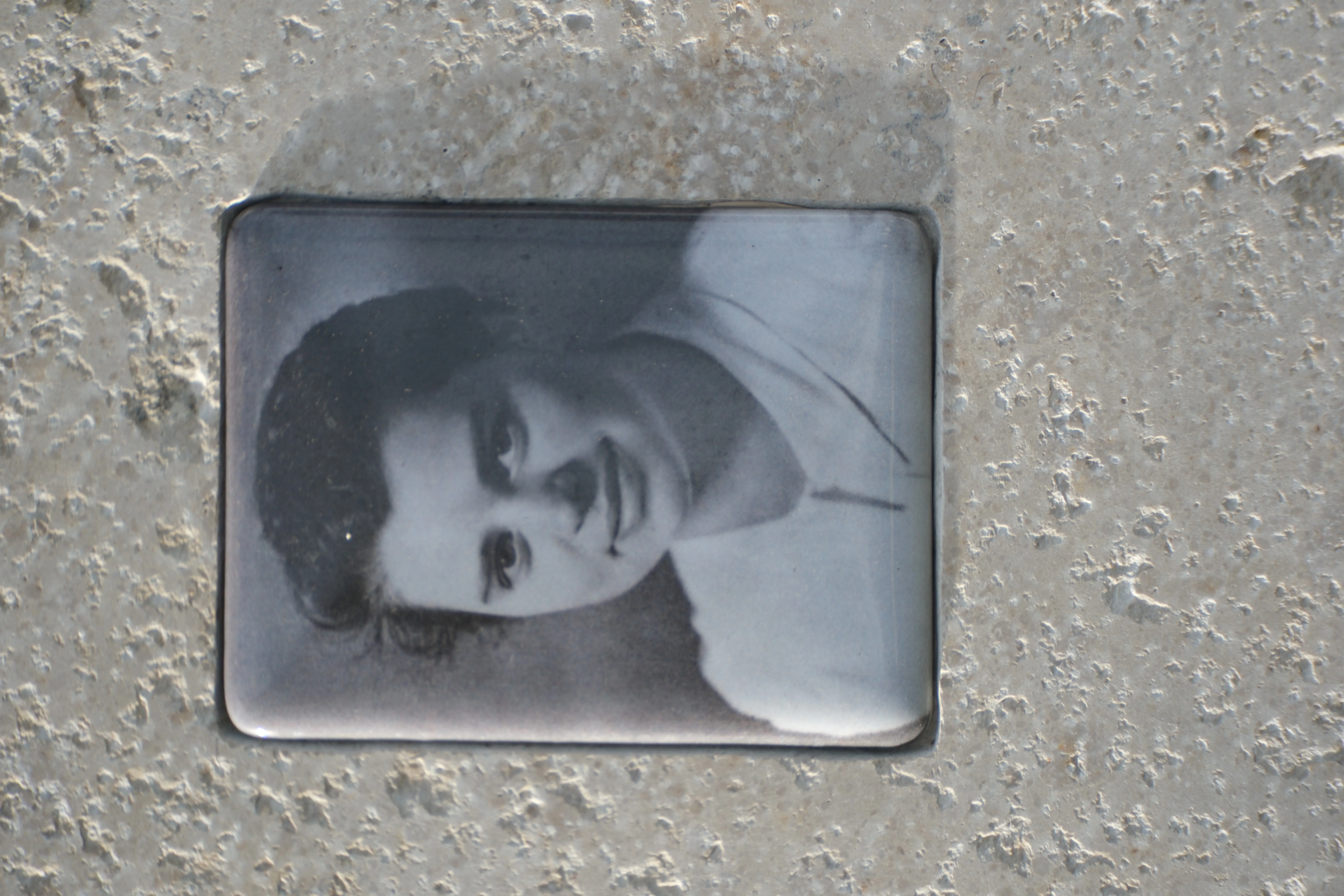
Image from Wikipedia
Image from Wikipedia
Maria Imma Mack – Courage, Conscience, and Lived Humanity in the Shadow of Dachau
An extraordinary nun whose quiet dedication made history
Maria Imma Mack, born on February 10, 1924, as Josefa Mack in Möckenlohe near Eichstätt, and passed away on June 21, 2006, in Munich, belongs to those women's biographies that are inscribed not in loud gestures but in moral consequence. As a sister of the Congregation of the Poor School Sisters of Our Lady in Munich, she secretly supported prisoners of the Dachau concentration camp during the Nazi era with food, letters, and liturgical items. Her actions stand for civil courage, religious conviction, and a quiet form of resistance that resonates in the collective memory to this day. (de.wikipedia.org)
Background and Early Influences
Josefa Mack grew up in Upper Bavaria and joined the Poor School Sisters as a candidate in 1940. Since 1942, she worked as an assistant in the order's children's home in Freising before she was first confronted with the harrowing reality of the prisoners at Dachau in 1944. This encounter became a turning point in her biography: the young nun became a clandestine helper who not only witnessed the everyday struggles of the persecuted but actively sought to alleviate their suffering. (de.wikipedia.org)
The Years of Resistance: Helping Prisoners in Dachau
From May 1944 to April 1945, Maria Imma Mack traveled weekly to the Dachau concentration camp, in summer by bicycle and in winter with a sled that she pulled. Under the pretense of buying flowers, she smuggled food into the camp and, along with her fellow sisters, ensured the supply for the prisoners. The young imprisoned priest Ferdinand Schönwälder also asked her to smuggle letters from the camp to maintain contact with relatives and with the Archbishop of Munich and Freising, Cardinal Michael von Faulhaber. (de.wikipedia.org)
Particularly impressive was her involvement in the secret ordination of the imprisoned deacon Karl Leisner by fellow inmate Bishop Gabriel Piguet. For this, Mack smuggled hosts, altar wine, candles, oils, and vestments into the camp. This action not only demonstrates determination but also a profound sensitivity to the spiritual dimension of hope under extreme conditions. The ordination of priests in Dachau is regarded as a singular event in the history of Nazi concentration camps. (de.wikipedia.org)
Religious Life, Name, and Post-War Era
In 1945, she entered the novitiate of the Poor School Sisters in Munich and adopted the religious name Maria Imma. She took her vows in 1946 and passed the master examination for women's tailoring in 1951. Her path after 1945 shows a woman who combined her spiritual vocation with craft skills, discipline, and a firm place in religious life. Her memories of the time of National Socialist rule were published in 1989 under the title Why I Love Azaleas. (de.wikipedia.org)
Memory, Awards, and Public Recognition
For her life's work, Maria Imma Mack received several prestigious awards: in 2001, she was honored with "München leuchtet,” in 2004 she was inducted as "femme chevalier" into the French Legion of Honor, and in 2005 she received the Federal Cross of Merit 1st Class as well as the papal honor Pro Ecclesia et Pontifice. These recognitions reflect the exceptional nature of her actions: it was not a spectacular form of resistance in the classical sense, but a practice of humanity that took place under the greatest danger and later rightfully garnered public acknowledgment. (de.wikipedia.org)
Her name has also remained present in urban spaces and memorial culture. Streets, squares, a memorial plaque, and a residence have been named after her in Eching, the Munich district of Au, Möckenlohe, Freising, and Ingolstadt; since 2016, a commemorative stele at the Platz der Freiheit in Munich also honors Josefa Mack. On the occasion of her 100th birthday, another memorial plaque was placed in her hometown in 2024. This ensures that her biography remains not only archival but also visibly anchored in public memory. (de.wikipedia.org)
Style, Attitude, and Spiritual Significance
Maria Imma Mack represents a form of resistance that arises from inner conviction and not from political posturing. Her biography connects monastic discipline, practical care, and a remarkable willingness to take risks. Especially because her help occurred in secret, it gains a special cultural depth: it shows how religious practice in times of persecution could translate into concrete, life-saving actions. (de.wikipedia.org)
For the memory of the Dachau concentration camp, Maria Imma Mack is a key figure because her actions contrast the camp's cruelty with a counter-movement of humanity. She supplied prisoners not only with food but also with letters and liturgical items – things that preserved identity, relationships, and dignity. The historical and moral power of her story lies precisely in this: she did not help abstractly but concretely, regularly, and at personal risk. (de.wikipedia.org)
Current Relevance and Cultural Resonance
Even though Maria Imma Mack has long since passed away, her story remains present in exhibitions, memorial sites, and educational formats at the Dachau memorial. The ongoing engagement with her biography demonstrates how individual acts can shape historical consciousness. In a time when memory culture is continually re-negotiated, her name carries a clear message: humanity often begins where someone chooses not to look away. (kz-gedenkstaette-dachau.de)
Conclusion: Why Maria Imma Mack Continues to Impress Today
Maria Imma Mack fascinates through the rare combination of humility, courage, and practical charity. Her life story proves that moral greatness does not need to manifest loudly to have a historical impact. Anyone who engages with resistance, Christian responsibility, and the history of the Dachau concentration camp should know her name and visit her memorial sites to honor this quiet yet powerful form of action. (de.wikipedia.org)
Official Channels of Maria Imma Mack:
- Instagram: no official profile found
- Facebook: no official profile found
- YouTube: no official profile found
- Spotify: no official profile found
- TikTok: no official profile found