
Maria Imma Mack
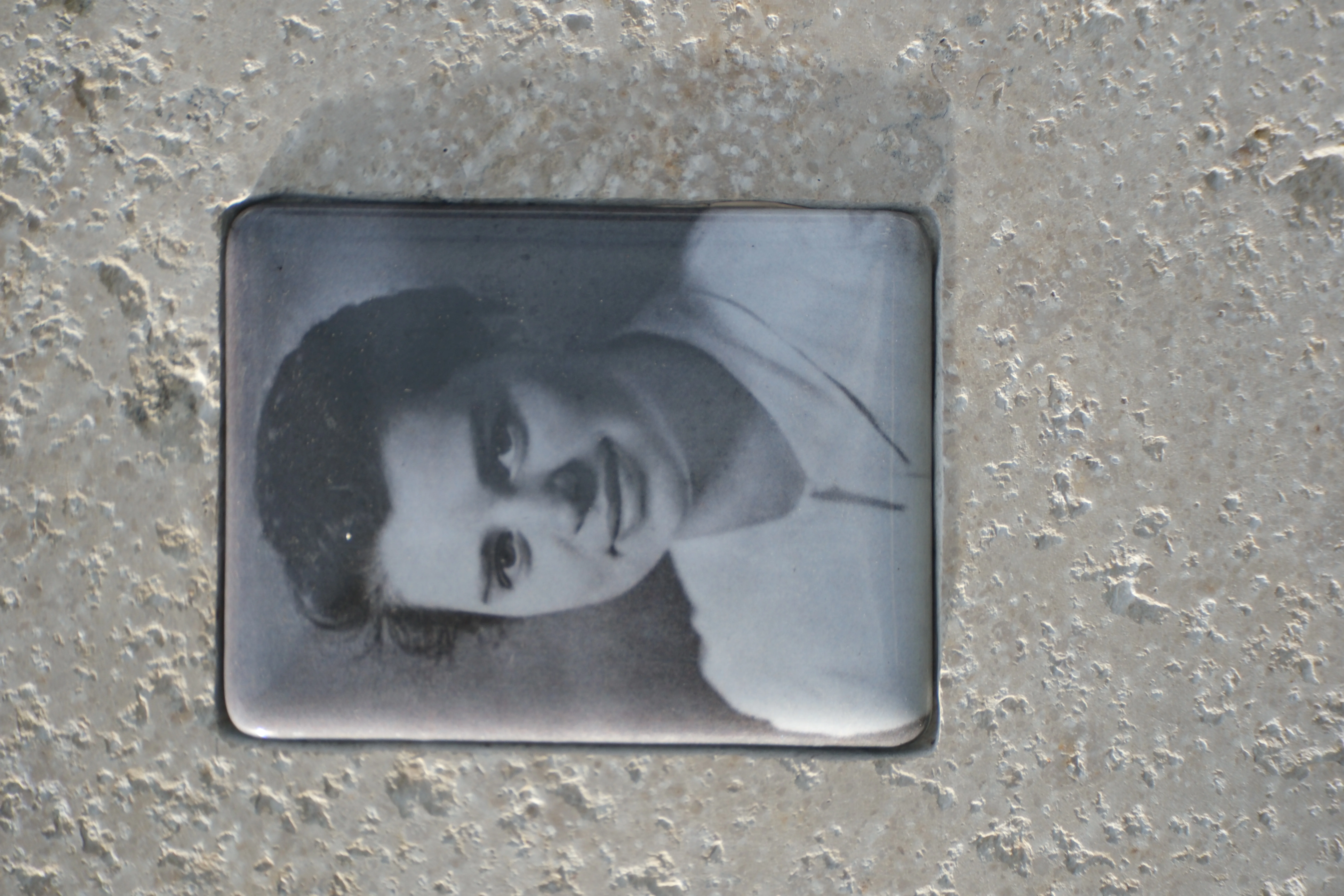
Image from Wikipedia
Image from Wikipedia
Maria Imma Mack – The Woman Who Secretly Brought Hope to Dachau
A Biography of Faith, Courage, and Quiet Humanity
Maria Imma Mack, born Josefa Mack on February 10, 1924, in Möckenlohe near Eichstätt and passed away on June 21, 2006, in Munich, is one of those personalities whose life path is measured not by fame but by integrity. As a nun of the Congregation of the Poor School Sisters of Our Lady in Munich, she became known under the code name "Mädi" for secretly providing food, letters, and liturgical items to inmates of the Dachau concentration camp. Her story stands for civil courage, religious conviction, and the bravery to maintain humanity in an extreme situation. ([de.wikipedia.org](https://de.wikipedia.org/wiki/Maria_Imma_Mack?utm_source=openai))
Early Years and Spiritual Influence
Josefa Mack joined the candidacy of the Poor School Sisters in 1940 at the age of 16 and began training as a needlework teacher. The Nazi forced closure of the training facility in Munich's Au in January 1942 fundamentally changed her path; from then on, she worked as an assistant in the order's children's home in Freising. These early years already demonstrate the connection of discipline, care, and practical initiative that would later characterize her actions. ([schulschwestern.de](https://schulschwestern.de/sr-imma-mack-maedi/?utm_source=openai))
The religious community describes her as a young woman who increasingly devoted herself to serving others and later became known by the religious name Maria Imma. Her life image is thus inseparably intertwined with the Catholic social and memory culture in Bavaria. The later commemoration in Möckenlohe and the anchoring of her name in local memory testify to how strongly her person impacted beyond religious life. ([schulschwestern.de](https://schulschwestern.de/josefa-mack-maedi-engel-von-dachau-schwester-maria-imma-mack/?utm_source=openai))
Secret Help for Inmates in Dachau
In 1944, Maria Imma Mack received her first assignment to purchase plants and flowers for the Dachau concentration camp's gardening. There, she recognized the shocking condition of the prisoners and began to save food with her fellow sisters in order to smuggle it into the camp. Between May 1944 and April 1945, she traveled weekly to Dachau, in the summer by bicycle, and in winter with a sled, using the flower purchases as a cover for a life-saving aid operation. ([de.wikipedia.org](https://de.wikipedia.org/wiki/Maria_Imma_Mack?utm_source=openai))
Her assistance was particularly crucial for Polish clergy and other inmates, to whom she not only brought food but also letters and liturgical items. The Dachau Memorial emphasizes that through secret contacts, she supported many people, while the sisterhood describes her courier rides as expressions of courage and loyalty. In the memory culture of the place, she later became known as the "Angel of Dachau." ([kz-gedenkstaette-dachau.de](https://www.kz-gedenkstaette-dachau.de/kurzbiografie/kurzbiografie-imma-mack/?utm_source=openai))
Post-War Period, Remembrance, and Recognition
After the war, Maria Imma Mack remained not only a nun but also a contemporary witness of an era in which individual actions determined life and dignity. In a speech shortly after the end of the war, Cardinal Faulhaber honored her contributions, and later her deeds were perpetuated through memorial forms, publications, and local memory sites. The city history of Munich even features the "Imma-Mack-Weg," indicating that her name is anchored in the public space. ([selige-kzdachau.de](https://www.selige-kzdachau.de/index.php/neuigkeiten/2025/josefa-mack?utm_source=openai))
Later accolades include the Bavarian Order of Merit in 1986 and admission to the French Legion of Honor in 2004 for her commitment to peace and reconciliation between Germany and France. These honors represent more than mere decorations: they signify the recognition of a life that, through quiet consistency, became a moral example. Catholic reporting and the order's websites particularly emphasize how extraordinary this courage was in the context of the Nazi era. ([katholisch.de](https://katholisch.de/artikel/50987-mit-rad-und-schlitten-so-half-eine-ordensschwester-kz-haeftlingen?utm_source=openai))
Public Perception and Cultural Influence
Maria Imma Mack now represents a form of lived solidarity that holds meaning well beyond regional history in the collective memory. Her biography is recounted in memorial sites, church publications, and biographical short portraits, as it exemplifies how conscience and action can coincide even under extreme pressure. This connection of humility and determination makes her story incredibly valuable for historians, educators, and memory work. ([kz-gedenkstaette-dachau.de](https://www.kz-gedenkstaette-dachau.de/kurzbiografie/kurzbiografie-imma-mack/?utm_source=openai))
The nickname "Mädi" also indicates the closeness she established with the inmates. It was a protective name but simultaneously a symbol of familiarity and trust. The fact that a memorial plaque in Möckenlohe commemorates her life journey underscores how her proactive spirit and humanity continue to resonate today. ([schulschwestern.de](https://schulschwestern.de/josefa-mack-maedi-engel-von-dachau-schwester-maria-imma-mack/?utm_source=openai))
Voices of Remembrance
Although Maria Imma Mack was not a musician, her story lives on in narratives marked by gratitude and respect. The sisterhood speaks of pride in a fellow sister whose courage and civil valor continue to serve as a model today. Journalistic reports and memorial sites also describe her as a woman who preserved humanity during a time of inhumanity. ([schulschwestern.de](https://schulschwestern.de/josefa-mack-maedi-engel-von-dachau-schwester-maria-imma-mack/?utm_source=openai))
Her life demonstrates that historical greatness does not only arise from political actions or public offices but also from quiet, repeated gestures of help. Weekly trips to Dachau, smuggling food, and supporting prisoners formed a legacy that defies simplification. This is where the lasting power of her biography lies. ([de.wikipedia.org](https://de.wikipedia.org/wiki/Maria_Imma_Mack?utm_source=openai))
Conclusion: Why Maria Imma Mack Still Moves Us Today
Maria Imma Mack fascinates because her life path shows how individuals can take responsibility in dark times. Her story combines religious vocation, moral clarity, and practical help into a rare example of lived humanity. Those engaged with memory culture, civil courage, and the quiet heroines of the 20th century encounter in her a personality of enduring brilliance. ([kz-gedenkstaette-dachau.de](https://www.kz-gedenkstaette-dachau.de/kurzbiografie/kurzbiografie-imma-mack/?utm_source=openai))
Her legacy deserves attention because it is not loud but rather resonates even more powerfully. Maria Imma Mack remains a name synonymous with courage, compassion, and steadfastness—and a life image that invites reflection even today. ([schulschwestern.de](https://schulschwestern.de/josefa-mack-maedi-engel-von-dachau-schwester-maria-imma-mack/?utm_source=openai))
Official Channels of Maria Imma Mack:
- Instagram: No official profile found
- Facebook: No official profile found
- YouTube: No official profile found
- Spotify: No official profile found
- TikTok: No official profile found
Sources:
- Wikipedia – Maria Imma Mack
- Poor School Sisters – Sr. Imma Mack (Mädi)
- Poor School Sisters – Josefa Mack / Angel of Dachau
- KZ Memorial Dachau – Short Biography of Imma Mack
- katholisch.de – With Bicycle and Sled: How a Nun Helped Concentration Camp Inmates
- German Digital Library – Josefa Maria Imma Mack
- City History Munich – Directory of Persons