
Maria Imma Mack
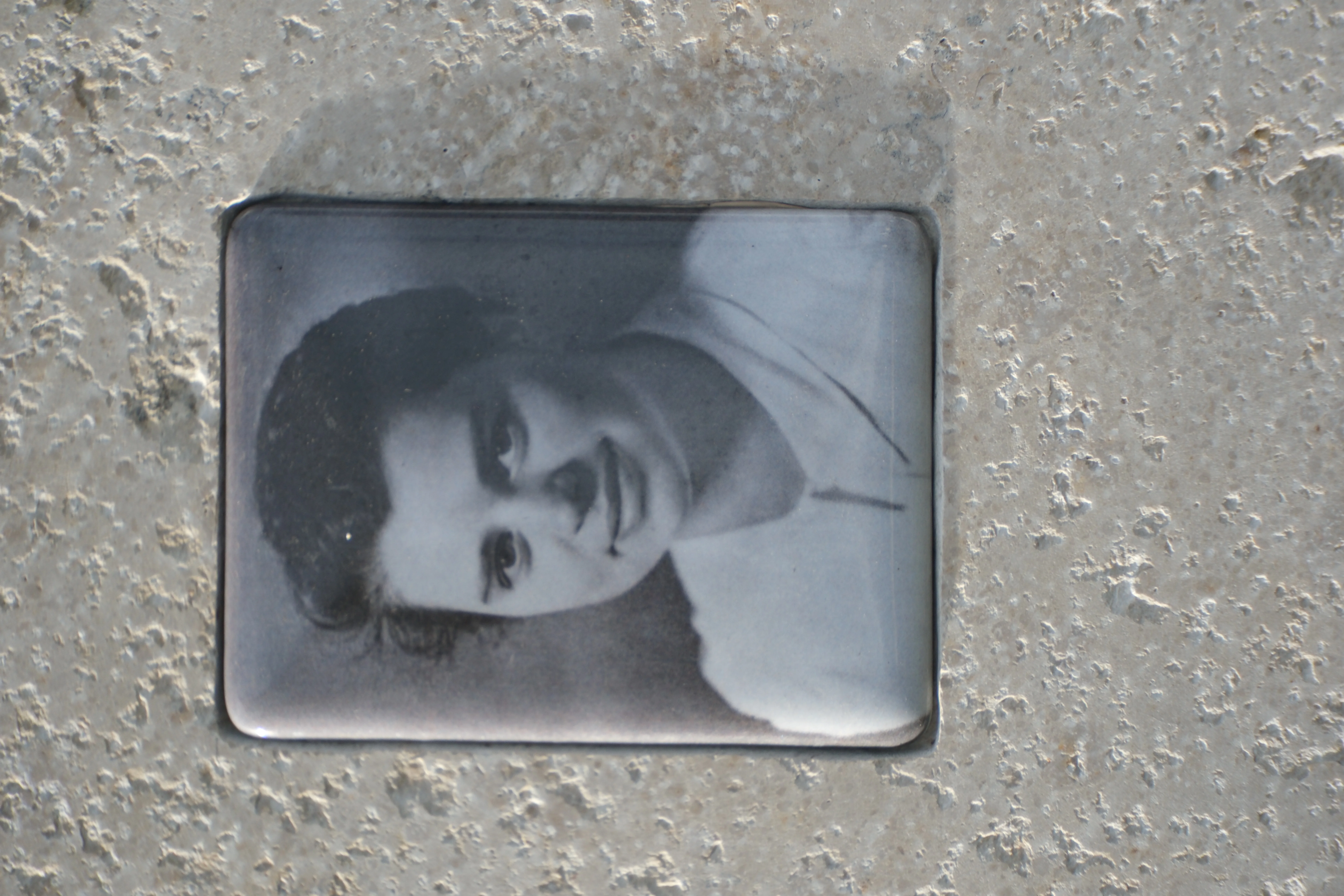
Image from Wikipedia
Image from Wikipedia
Maria Imma Mack: Courage, Conscience, and Living Humanity in the Shadow of Dachau
A Nun Whose Life Extended Far Beyond the Convent Walls
Maria Imma Mack, born on February 10, 1924, as Josefa Mack in Möckenlohe near Eichstätt and died on June 21, 2006, in Munich, belonged to the Congregation of the Poor School Sisters of Our Lady. She became known not through a stage or a career in a musical sense, but through an extraordinary stance during one of the darkest times of the 20th century. Under the alias "Mädi," she secretly provided food, letters, and liturgical items to prisoners of the Dachau concentration camp. ([stadt.muenchen.de](https://stadt.muenchen.de/infos/imma-mack-weg.html?utm_source=openai))
Biographical Roots: Origin from Möckenlohe and Spiritual Calling
Josefa Mack grew up in a craftsman family in Möckenlohe. The sources paint a picture of a young woman whose religious upbringing and social sensitivity became evident early on, leading her to choose a life in the convent. In the official representations from the city of Munich and her religious community, she is remembered as Sister Maria Imma Mack, with her dates of life and origin firmly established today. ([stadt.muenchen.de](https://stadt.muenchen.de/infos/imma-mack-weg.html?utm_source=openai))
Her path into the Congregation of the Poor School Sisters of Our Lady took her into an environment where education, service to others, and spiritual discipline were closely connected. It was precisely this combination of inner conviction and practical responsibility that later influenced her actions during World War II. The biographical sources emphasize not spectacular self-presentation but humility, duty fulfillment, and civil courage. ([gerhardinger.org](https://gerhardinger.org/about/history/history-sister-m-imma-mack/?utm_source=openai))
The Defining Turning Point: Dachau, Danger, and Secret Aid
On May 16, 1944, the then 20-year-old Josefa Mack arrived for the first time at the Dachau concentration camp. The journey initially appeared to serve a seemingly harmless purpose: she was to collect flowers for the convent from the sales point of the camp's gardening department. From this first trip, a mission developed that would shape her later life as she recognized the plight of the prisoners and began to help. ([english.katholisch.de](https://english.katholisch.de/artikel/50992-with-bike-and-sledge-how-a-nun-helped-concentration-camp-prisoners?utm_source=openai))
From May 1944 until the liberation of the camp by the American army at the end of April 1945, she reportedly made regular trips, mostly weekly, to Dachau. She brought food to the inmates and smuggled letters to maintain contact between prisoners and their families. She was fully aware that providing such assistance was punishable by death; this knowledge lends her actions the historical weight that is repeatedly emphasized in the sources. ([stadt.muenchen.de](https://stadt.muenchen.de/infos/imma-mack-weg.html?utm_source=openai))
Particularly striking is the account of how she could no longer completely travel the distance by bicycle due to snow and cold during the harsh winter, so she covered parts of the journey with a sled. These details make the extent of her commitment tangible: it was not a one-time gesture but a continuous aid under significant personal danger. Her recollection in the late 1980s that she brought "comfort and help to many inmates" summarizes this experience in simple yet powerful language. ([english.katholisch.de](https://english.katholisch.de/artikel/50992-with-bike-and-sledge-how-a-nun-helped-concentration-camp-prisoners?utm_source=openai))
Memory Instead of Self-Representation: The Voice of Witness Literature
Maria Imma Mack left no public artist biography but rather memories and testimonies that are now read as historical sources. In her book “Warum ich Azaleen liebe,” her trips to the Dachau concentration camp plantation from May 1944 to April 1945 are documented; it is one of the most important printed references to her story. Entries in library and bibliographic databases confirm that this memoir occupies a central place in her legacy. ([orellfuessli.ch](https://www.orellfuessli.ch/shop/home/artikeldetails/A1000095586?utm_source=openai))
It is precisely this form of remembrance that gives her life a special authority. She does not appear as a self-promoter but as a witness to an ethical decision under extreme conditions. This makes her biography relevant for today's readers: it stands for a lived conscience, religiously motivated solidarity, and an attitude unmoved by fear. ([domradio.de](https://www.domradio.de/artikel/vor-100-jahren-wurde-die-ordensfrau-imma-mack-geboren?utm_source=openai))
Recognition and Public Honor
For her efforts, Maria Imma Mack received significant awards. In 1986, she was awarded the Bavarian Order of Merit, and in 2004 she was inducted into the French Legion of Honor, recognized for her courage and commitment to peace and reconciliation between Germany and France. Such honors show that her actions were acknowledged as a sign of humanitarian courage far beyond local remembrance. ([domradio.de](https://www.domradio.de/artikel/vor-100-jahren-wurde-die-ordensfrau-imma-mack-geboren?utm_source=openai))
Her memory is also visible in the public space. In Munich, a path is named after her, and in her birthplace of Möckenlohe, a commemorative plaque will be erected in 2024 to mark her 100th birthday. These honors demonstrate how a quiet monastic biography has become a lasting historical memory. ([stadt.muenchen.de](https://stadt.muenchen.de/infos/imma-mack-weg.html?utm_source=openai))
Historical Context: Civil Courage in the Context of Dachau
The Dachau concentration camp was a central site of Nazi persecution. In this context, even small acts of help took on existential significance, as food, letters, and religious items were not merely practical goods but symbols of humanity and hope. Maria Imma Mack navigated this tension with remarkable conviction and willingness to take risks. ([stadt.muenchen.de](https://stadt.muenchen.de/infos/imma-mack-weg.html?utm_source=openai))
Her story makes it clear that resistance is not always made up of grand political gestures. It can consist of reliable return trips, quiet provision of essentials, and upholding the dignity of others. This is the enduring greatness of her life: she acted when action was dangerous and remained connected to the prisoners nonetheless. ([english.katholisch.de](https://english.katholisch.de/artikel/50992-with-bike-and-sledge-how-a-nun-helped-concentration-camp-prisoners?utm_source=openai))
Publications, Source Material, and Cultural Reception
The cultural reception of Maria Imma Mack is primarily drawn from memoirs, church portraits, and journalistic retrospectives. This includes contributions from her religious community, church media, and regional press articles that bring her life back into public consciousness on anniversaries and memorial days. The source landscape is clearly focused on biographical, historical, and remembrance cultural texts. ([english.katholisch.de](https://english.katholisch.de/artikel/50992-with-bike-and-sledge-how-a-nun-helped-concentration-camp-prisoners?utm_source=openai))
Her influence lies less in a classic media presence and more in the moral resonance of her story. The name Maria Imma Mack today symbolizes a form of quiet yet impactful responsibility, frequently revisited in educational work, memorial culture, and church remembrance. Thus, she belongs to those figures whose significance grows rather than fades over time. ([donaukurier.de](https://www.donaukurier.de/lokales/landkreis-eichstaett/adelschlag-gedenkt-seiner-grossen-tochter-schwester-imma-mack-15404816?utm_source=openai))
Conclusion: Why Maria Imma Mack Continues to Fascinate Today
Maria Imma Mack fascinates because her life is a striking example of courage without pathos. She combined faith, conscience, and practical love for one another into actions that touched lives and dignity in an extreme historical situation. Those interested in memory work, contemporary history, and role models of true civil courage will find an extraordinarily strong figure in her biography. ([stadt.muenchen.de](https://stadt.muenchen.de/infos/imma-mack-weg.html?utm_source=openai))
It is her quiet determination that makes her so impressive: no myth, but a real life that took responsibility. Anyone who reads her story encounters a personality whose legacy points far beyond her own century. A visit to the places of remembrance and a deeper engagement with her work are worthwhile, as Maria Imma Mack shows how great an individual can be in the shadow of history. ([commons.wikimedia.org](https://commons.wikimedia.org/wiki/File%3AGedenktafel_f%C3%BCr_Schwester_Imma_Mack_in_M%C3%B6ckenlohe-03.jpg?utm_source=openai))
Official Channels of Maria Imma Mack:
- Instagram: No official profile found
- Facebook: No official profile found
- YouTube: No official profile found
- Spotify: No official profile found
- TikTok: No official profile found
Sources:
- Wikipedia - Maria Imma Mack
- english.katholisch.de - With bike and sledge: how a nun helped concentration camp prisoners
- DOMRADIO.DE - One hundred years ago, Sister Imma Mack was born
- SSND Congregational Website - Sister M. Imma Mack
- SSND Congregational Website - History: Sister M. Imma Mack
- City of Munich - Imma-Mack-Weg
- Donaukurier - Adelschlag remembers its great daughter Sister Imma Mack
- Deutsche Digitale Bibliothek - Josefa Maria Imma Mack
- selige-kzdachau.de - Josefa Mack
- Orell Füssli - Why I Love Azaleas