
Maria Imma Mack
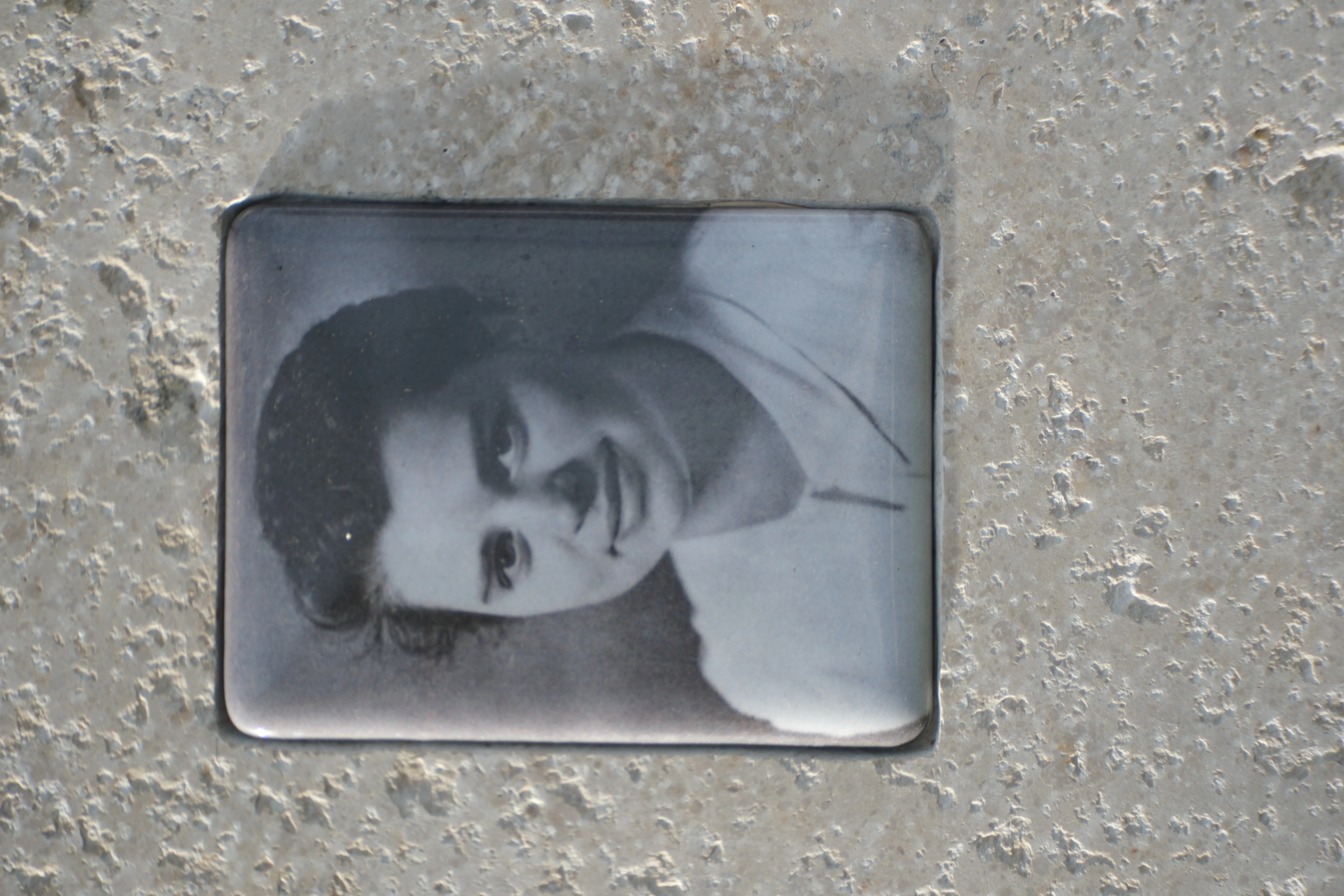
Image from Wikipedia
Image from Wikipedia
Maria Imma Mack – Courage, Conscience, and Living Humanity in the History of Dachau
A Sister Whose Life Represents Civic Courage
Maria Imma Mack, born on February 10, 1924, as Josefa Mack in Möckenlohe near Eichstätt and passed away on June 21, 2006, in Munich, is among the most impressive German nuns of the 20th century. Her name is inseparably linked with an attitude that, in times of great threat, did not look away but took action. As a sister of the Congregation of the Poor School Sisters of Our Lady, she risked her life by secretly supporting prisoners of the Dachau concentration camp, providing them with food, letters, and liturgical items. ([stadt.muenchen.de](https://stadt.muenchen.de/infos/imma-mack-weg.html?utm_source=openai))
Anyone who delves into the life of Maria Imma Mack encounters not a loud self-promotion but a silent, consistent form of resistance. Her biography stands for Christian charity in a state of emergency, for moral clarity, and for the power of small actions with great impact. For this reason, her life story holds cultural and memorial significance that extends far beyond Bavaria to this day. ([english.katholisch.de](https://english.katholisch.de/artikel/50992-with-bike-and-sledge-how-a-nun-helped-concentration-camp-prisoners?utm_source=openai))
Early Years in Möckenlohe: Background, Influence, and Decision
Josefa Mack grew up in Möckenlohe in a family of craftsmen and was raised in an environment of social responsibility and religious influence. Sources from memory culture and church documentation paint a picture of a young woman who recognized the political developments of the Nazi era early on and could not accept injustice internally. This early influence forms the background for her later path into the convent and her extraordinary steadfastness. ([donaukurier.de](https://www.donaukurier.de/lokales/landkreis-eichstaett/adelschlag-gedenkt-seiner-grossen-tochter-schwester-imma-mack-15404816?utm_source=openai))
With her entry into the Congregation of the Poor School Sisters of Our Lady, a spiritual and social life mission began that reached far beyond the classical scope of monastic work. Maria Imma Mack became a woman who not only prayed but took on responsibility. Her life demonstrates how concrete action can arise from religious vocation. ([gerhardinger.org](https://gerhardinger.org/about/history/history-sister-m-imma-mack/?utm_source=openai))
Dachau 1944/45: Helping at the Risk of One's Life
In May 1944, Josefa Mack first came into the vicinity of the Dachau concentration camp when she was tasked with buying flowers for the convent. From this seemingly harmless errand developed a dangerous, months-long aid operation: until April 1945, she regularly supplied prisoners with food and kept the connection between inmates and their relatives alive with smuggled letters. The fact that this act carried the death penalty did not diminish its importance but rather amplified it. ([stadt.muenchen.de](https://stadt.muenchen.de/infos/imma-mack-weg.html?utm_source=openai))
Especially striking is the practical improvisation involved in this aid. As winter set in and she could no longer reach the camp by bicycle due to snow, she used a sled to continue her visits. This detail illustrates the physical exertion and determination of a woman who did not accept even the harshest conditions as an excuse. Her story thus also embodies perseverance, discipline, and compassion. ([english.katholisch.de](https://english.katholisch.de/artikel/50992-with-bike-and-sledge-how-a-nun-helped-concentration-camp-prisoners?utm_source=openai))
The Name “Mädi” and the Silent Language of Humanity
In the camp milieu, Maria Imma Mack became known under the alias “Mädi.” This unassuming name today symbolizes a form of resistance that does not rely on pathos but on closeness, trust, and practical help. Particularly in the harsh reality of camp life, this silent language of humanity gained special significance. ([stadt.muenchen.de](https://stadt.muenchen.de/infos/imma-mack-weg.html?utm_source=openai))
Reports of her work show that she not only brought food but also provided what is often most lacking in totalitarian systems: connection, hope, and dignity. The provision of liturgical items further points to the spiritual dimension of her actions. Her biography thus becomes an extraordinary example of Christian-motivated solidarity. ([stadt.muenchen.de](https://stadt.muenchen.de/infos/imma-mack-weg.html?utm_source=openai))
Acknowledgment, Remembrance, and Late Recognition
Maria Imma Mack received the Bavarian Order of Merit in 1986. In 2004, she was inducted into the French Legion of Honor for her courage and commitment to peace and reconciliation between Germany and France. These awards mark not only personal honors but also the late public recognition of an act whose moral weight was already unmistakable during the war. ([domradio.de](https://www.domradio.de/artikel/vor-100-jahren-wurde-die-ordensfrau-imma-mack-geboren?utm_source=openai))
Her name is firmly anchored in local memory culture. In Munich, a street has been named after her, and in her birthplace, Möckenlohe, a commemorative plaque was erected on her 100th birthday. Such forms of remembrance show that Maria Imma Mack is now viewed as part of regional and religious cultural history. ([stadt.muenchen.de](https://stadt.muenchen.de/infos/imma-mack-weg.html?utm_source=openai))
Written Testimonies and Historical Transmission
Among her legacy is the book “Why I Love Azaleas: Memories of My Trips to the Plantation of the Dachau Concentration Camp from May 1944 to April 1945.” The title already hints at the tension between external normalcy and the horror of the place where she worked. The work is an important testimony of personal memory and a gateway to her inner perspective. ([orellfuessli.ch](https://www.orellfuessli.ch/shop/home/artikeldetails/A1000095586?utm_source=openai))
Church and historical institutions continue to draw on her story to remind people of civic courage and Christian responsibility. In these representations, Maria Imma Mack appears as a personality whose actions extend beyond biographical facts and belong to the broader context of Dachau's memory history. This is where her enduring relevance lies. ([gerhardinger.org](https://gerhardinger.org/about/history/history-sister-m-imma-mack/?utm_source=openai))
Impact and Cultural Significance
Maria Imma Mack exemplifies women whose quiet determination remained long in the shadow of major political narratives. Her story connects convent life, resistance, pastoral care, and practical assistance into an impressive life portrait. For the memory of the Dachau concentration camp, she is therefore more than a historical marginal figure: she is a moral landmark. ([stadt.muenchen.de](https://stadt.muenchen.de/infos/imma-mack-weg.html?utm_source=openai))
Her life journey shows how individuals can keep spaces of humanity open even in a system of dehumanization. This form of impact arises not from public staging but from consistency, courage, and compassion. Maria Imma Mack remains a name worthy of respect and thought. ([english.katholisch.de](https://english.katholisch.de/artikel/50992-with-bike-and-sledge-how-a-nun-helped-concentration-camp-prisoners?utm_source=openai))
Conclusion: A Biography That Inspires to This Day
Maria Imma Mack fascinates because her life shows that conscience can be stronger than fear. Her help for the prisoners of the Dachau concentration camp was risky, concrete, and rooted in deep humanity. Anyone who engages with her story encounters a role model for responsibility, faith, and civic courage. A visit to the sites of her commemoration or a deeper engagement with her biography is still worthwhile today. ([stadt.muenchen.de](https://stadt.muenchen.de/infos/imma-mack-weg.html?utm_source=openai))
Official Channels of Maria Imma Mack:
- Instagram: No official profile found
- Facebook: No official profile found
- YouTube: No official profile found
- Spotify: No official profile found
- TikTok: No official profile found
Sources:
- City of Munich – Imma Mack Way
- DOMRADIO.DE – 100 Years Ago, Sister Imma Mack Was Born
- katholisch.de – With Bike and Sledge: How a Nun Helped Concentration Camp Prisoners
- Congregation of the School Sisters of Notre Dame – Sister M. Imma Mack
- Congregation of the School Sisters of Notre Dame – Sister M. Imma Mack
- Diocese of Eichstätt – Moved by the Holy Spirit: People Who Make a Difference
- Donaukurier – Adelschlag Commemorates Its Great Daughter Sister Imma Mack
- German Digital Library – Josefa Maria Imma Mack
- Wikipedia: Image and Text Source