
Maria Imma Mack
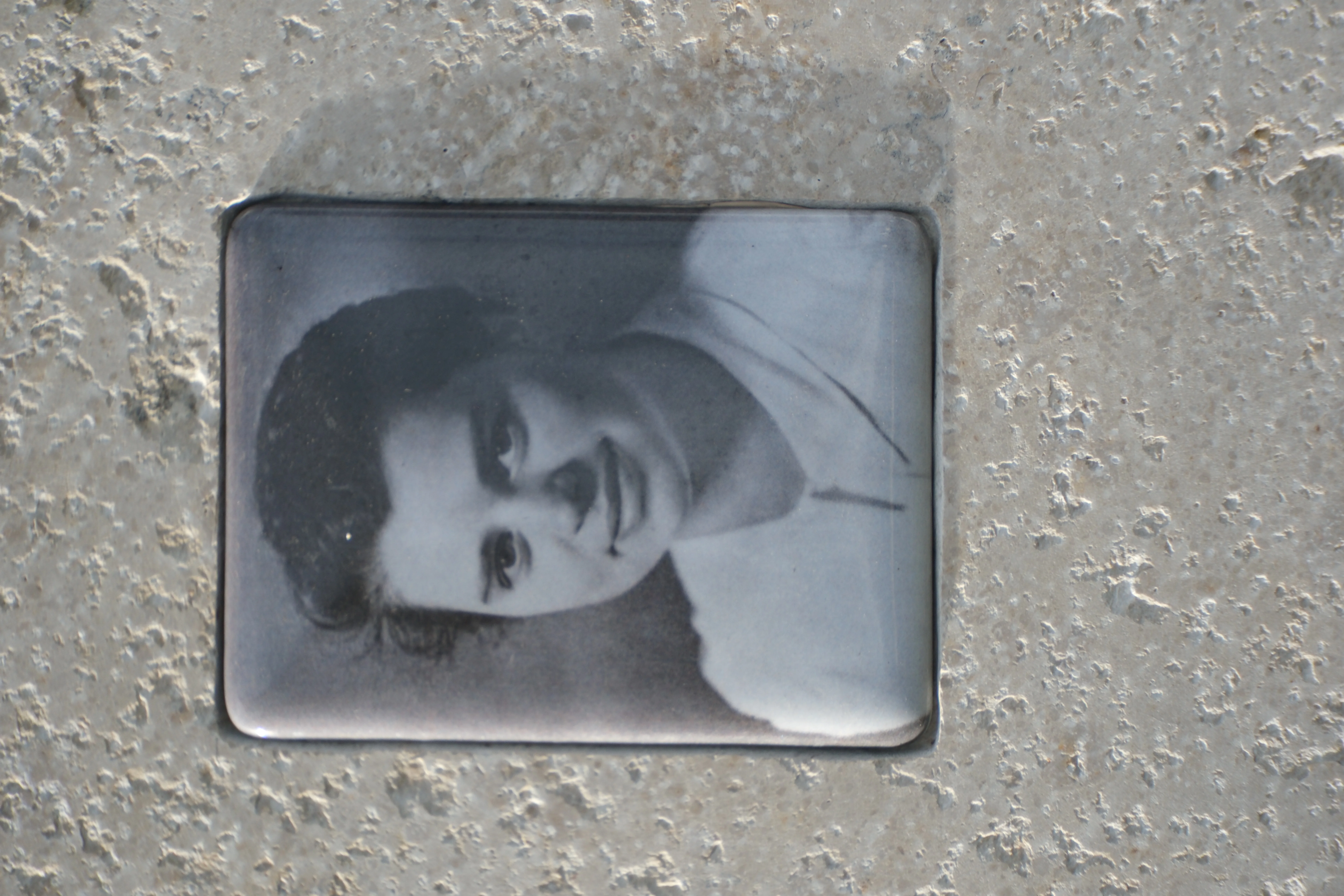
Image from Wikipedia
Image from Wikipedia
Maria Imma Mack: A Quiet Heroine Between Courage, Conscience, and Living Humanity
Maria Imma Mack – The Portrait of an Extraordinary Nun
Maria Imma Mack, born Josefa Mack on February 10, 1924, in Möckenlohe near Eichstätt and died on June 21, 2006, in Munich, represents a life story that transcends her time. As a sister of the Congregation of the Poor School Sisters of Our Lady, she became an aid for prisoners of the Dachau concentration camp under the alias “Mädi.” Her story weaves together religious calling, civil courage, and quiet resistance into a remarkable historical testimony. ([stadt.muenchen.de](https://stadt.muenchen.de/infos/imma-mack-weg.html?utm_source=openai))
Early Years in Möckenlohe: Origins, Influence, and Calling
Josefa Mack grew up in a craftsman family in Möckenlohe and was exposed to the political tensions of her time at an early age. The sources paint a picture of a young woman who attentively observed what was happening around her and whose moral awareness was already strongly defined before she joined the convent. Later, she entered the Congregation of the Poor School Sisters of Our Lady in Munich and took the name Maria Imma. ([donaukurier.de](https://www.donaukurier.de/lokales/landkreis-eichstaett/adelschlag-gedenkt-seiner-grossen-tochter-schwester-imma-mack-15404816?utm_source=openai))
Her life path illustrates how closely personal conviction and historical responsibility can be intertwined. What began as the everyday life of a nun became an action fraught with life-threatening risks during the Nazi era. This connection of humility and determination shapes the legacy of Maria Imma Mack to this day. ([stadt.muenchen.de](https://stadt.muenchen.de/infos/imma-mack-weg.html?utm_source=openai))
The Path to Dachau: Help at the Risk of Life
On May 16, 1944, the then candidate of the SSNDs, Josefa Mack, first entered the garden of the Dachau concentration camp. What began as a task to procure flowers for the convent grounds developed into one of the most notable aid operations surrounding the Dachau concentration camp. Maria Imma Mack brought food, letters, and liturgical items to the prisoners, maintaining contacts between inmates and their families. ([gerhardinger.org](https://gerhardinger.org/about/history/history-sister-m-imma-mack/?utm_source=openai))
Especially striking is the fact that she was fully aware of the risks. The city of Munich explicitly reminds that, despite the imminent death penalty, she regularly provided for inmates. Reports of her 100th birthday describe how she managed to reach the camp not only by bicycle but sometimes even by sled, braving snow and cold. ([stadt.muenchen.de](https://stadt.muenchen.de/infos/imma-mack-weg.html?utm_source=openai))
Strength in Secrecy: The Everyday Life of a Helper
The true greatness of this biography lies not in spectacular gestures but in the repetition of good deeds. Recurring trips, discreet handovers, and a deep attachment to the human suffering in the camp transformed a nun into a quiet yet effective figure of resistance. This continuity lends her story an extraordinary density. ([stadt.muenchen.de](https://stadt.muenchen.de/infos/imma-mack-weg.html?utm_source=openai))
A later report sums up her self-perception in a sentence where she describes having brought comfort and help to many prisoners under great difficulties and dangers. This formulation makes it clear that her actions stemmed not from a desire for fame but from faith, compassion, and a sense of responsibility. ([english.katholisch.de](https://english.katholisch.de/artikel/50992-with-bike-and-sledge-how-a-nun-helped-concentration-camp-prisoners?utm_source=openai))
Awards, Recognition, and Cultural Memory
After the war, Maria Imma Mack received numerous honors. In 1986, she was awarded the Bavarian Order of Merit, and in 2004, she was inducted as a Knight into the French Legion of Honor for her courage and commitment to peace and reconciliation between Germany and France. These awards testify that her actions were perceived as exemplary not only regionally but also internationally. ([domradio.de](https://www.domradio.de/artikel/vor-100-jahren-wurde-die-ordensfrau-imma-mack-geboren?utm_source=openai))
She also holds a firm place in cultural memory. Munich dedicated the Imma-Mack-Weg to her, and in her birthplace Möckenlohe, a commemorative plaque will be unveiled in 2024 on the occasion of her 100th birthday. Her name remains linked to specific places where history can be seen and experienced. ([stadt.muenchen.de](https://stadt.muenchen.de/infos/imma-mack-weg.html?utm_source=openai))
Written Traces and Historical Contextualization
Important sources of her life story include the book “Warum ich Azaleen liebe,” which documents her memories of trips to the Dachau concentration camp plantation from May 1944 to April 1945. Such testimonies provide historical research with direct access to the perspective of a woman who was not distanced from the horror but acted in the midst of it. ([orellfuessli.ch](https://www.orellfuessli.ch/shop/home/artikeldetails/A1000095586?utm_source=openai))
The documentation on the website of her religious community also helps to contextualize her work. It explicitly mentions her first journey to Dachau and the beginning of her assistance. This creates a reliable image of a woman whose courage stemmed from a clear moral compass. ([gerhardinger.org](https://gerhardinger.org/about/history/history-sister-m-imma-mack/?utm_source=openai))
Why Maria Imma Mack Continues to Fascinate
Maria Imma Mack intrigues because her story makes the invisible visible: conscience can take on a concrete form in times of inhumanity. Her life combines religious conviction, human closeness, and civil courage into a role model that transcends the history of the convent. It is the quiet consistency of her actions that makes her an extraordinary figure of the 20th century. ([stadt.muenchen.de](https://stadt.muenchen.de/infos/imma-mack-weg.html?utm_source=openai))
Those who engage with Maria Imma Mack encounter not a loud heroic narrative but an attitude that acted in secrecy yet left traces. Her legacy reminds us that courage often lies in small, repeated actions. This life deserves attention, respect, and deliberate remembrance of a woman who preserved humanity under the greatest danger. ([donaukurier.de](https://www.donaukurier.de/lokales/landkreis-eichstaett/adelschlag-gedenkt-seiner-grossen-tochter-schwester-imma-mack-15404816?utm_source=openai))
Conclusion
Maria Imma Mack represents a rare connection of faith, action, and historical responsibility. Her biography clearly illustrates how deeply personal integrity can impact in dark times. Those who know her life recognize not only a piece of German memory culture but also a lasting plea for compassion, civil courage, and humanity. ([stadt.muenchen.de](https://stadt.muenchen.de/infos/imma-mack-weg.html?utm_source=openai))
Official Channels of Maria Imma Mack:
- Instagram: No official profile found
- Facebook: No official profile found
- YouTube: No official profile found
- Spotify: No official profile found
- TikTok: No official profile found
Sources:
- katholisch.de (English) – With bike and sledge: how a nun helped concentration camp prisoners
- DOMRADIO.DE – 100 years ago, Sister Imma Mack was born
- City of Munich – Imma-Mack-Weg
- Donaukurier – Adelschlag commemorates its great daughter Sister Imma Mack
- Congregational website SSND – Sister M. Imma Mack
- Congregational website SSND – Sister M. Imma Mack (History)
- German Digital Library – Josefa Maria Imma Mack
- Orell Füssli – Why I Love Azaleas
- Wikipedia – Maria Imma Mack