
Maria Imma Mack
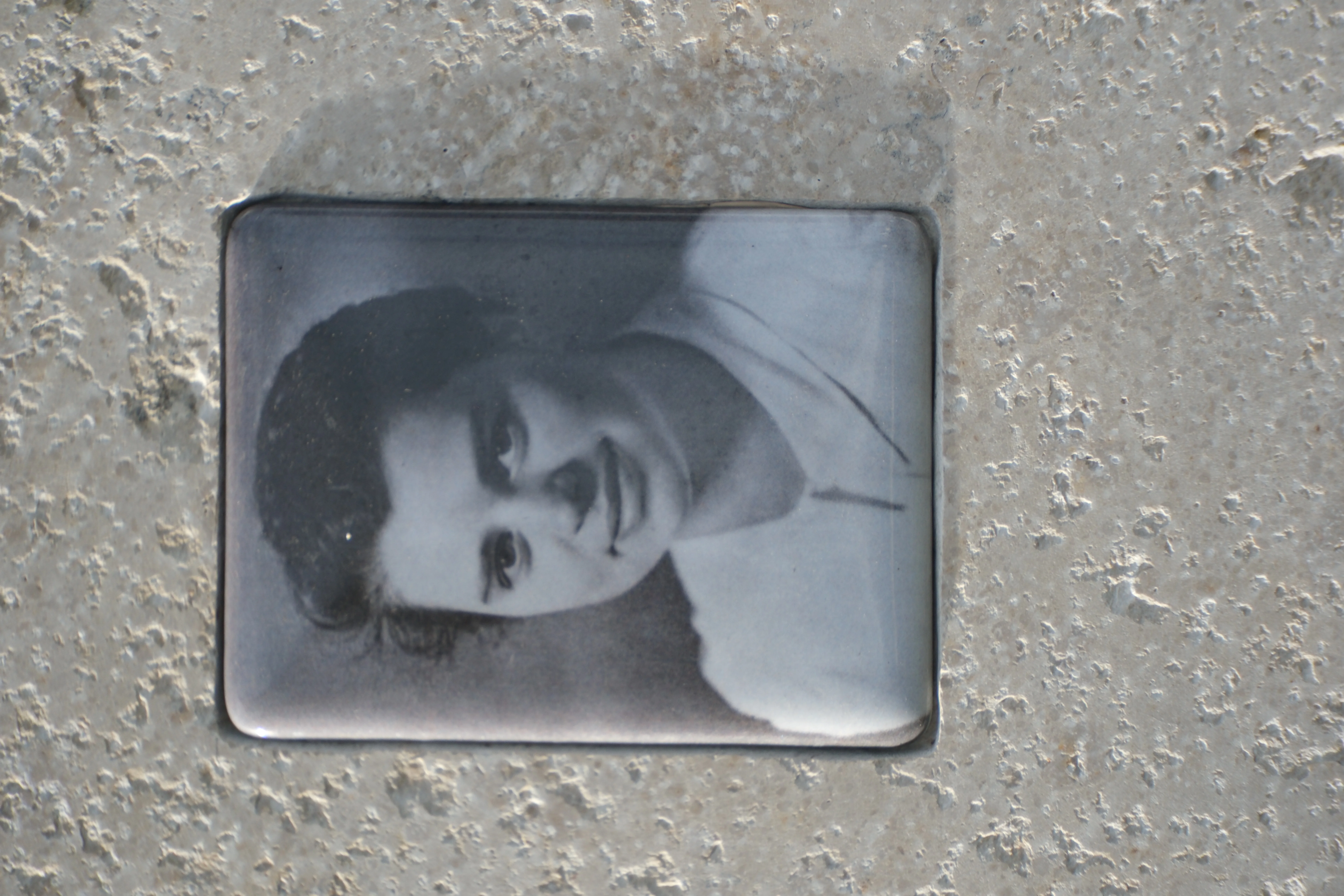
Image from Wikipedia
Image from Wikipedia
Maria Imma Mack – A Life for Courage, Humanity, and Civil Courage
An Extraordinary Biography Between Monastic Life and Secret Resistance
Maria Imma Mack, born on February 10, 1924, as Josefa Mack in Möckenlohe near Eichstätt and passed away on June 21, 2006, in Munich, is one of those personalities whose life story extends far beyond the boundaries of a conventional religious biography. As a sister of the Congregation of the Poor School Sisters of Our Lady, she became a quiet helper for inmates of the Dachau concentration camp under the code name "Mädi," providing them with food, letters, and liturgical items. This form of action made her an impressive figure of Christian-motivated resistance against the Nazi regime. (de.wikipedia.org)
Childhood, Calling, and the Path to the Congregation
Josefa Mack grew up in Möckenlohe and decided as a teenager to pursue religious life. At the age of 16, she entered the candidacy of the Poor School Sisters in Munich and began her training as a handicrafts teacher in 1940. However, the training in Munich was forcibly closed by the Nazis in 1942, after which she continued to work in the children's home of the school sisters in Freising. (gerhardinger.org)
This early biography already shows the tension in which her life developed: religious calling, educational work, and the brutal reality of dictatorship. From this combination later emerged the determined attitude with which she organized aid pathways for the persecuted. Especially in historical retrospect, it becomes clear how much personal piety and practical courage were interconnected in her actions. (kz-gedenkstaette-dachau.de)
Secret Assistance for Inmates in Dachau
Her work was particularly influential from May 1944 through the end of April 1945 when she regularly traveled to the Dachau concentration camp to officially carry out purchases for the monastery and unofficially provide for inmates. Under the code name "Mädi," she brought food, letters, medicines, and liturgical items to prisoners, primarily to Polish clergy. The Dachau Memorial Site describes this assistance as a significant form of support for many detainees at a time when even the smallest gestures could have dire consequences. (kz-gedenkstaette-dachau.de)
The historical significance of this action lies not only in the immediate assistance provided but also in its moral dimension. Maria Imma Mack acted in an environment where compassion, the sharing of information, and provision of necessities became acts of resistance. Her biography stands exemplarily for a form of civil courage that does not manifest loudly but unfolds in the protection of the ordinary. (kz-gedenkstaette-dachau.de)
Post-War Period, Recognition, and Memory Culture
After the war, Maria Imma Mack lived at the monastery at Mariahilfplatz in Munich from 1948 until her death. Her contributions were later publicly acknowledged: in 2001, she received the "Munich Shines" award from the city of Munich, and forms of remembrance emerged in her home region. In Möckenlohe, a memorial plaque was dedicated to her, while in Munich, the Imma-Mack-Weg memorializes her. (de.wikipedia.org)
This memory culture indicates that her work was not limited to church or local circles. The recognition by the city, community, and church institutions anchors Maria Imma Mack as a historical figure of societal relevance. Her name today stands for an ethical role model that is carried on in schools, memorial sites, and church publications. (dachau.de)
Historical Context and Cultural Significance
Maria Imma Mack embodies one of those quiet heroines of the 20th century whose significance does not stem from publicity or power, but from integrity and determination. Her actions in the context of Dachau are described in various sources as aid for inmates, as religiously motivated solidarity, and as a courageous transgression against the Nazi persecution machine. Thus, her story represents a history of the religious order, resistance, and remembrance. (kz-gedenkstaette-dachau.de)
Especially from today's perspective, this remains highly relevant: the focus on individuals like Maria Imma Mack sharpens awareness of responsibility, empathy, and standing up for the persecuted. Her biography illustrates how ordinary duty fulfillment can lead to an extraordinary stance that endures across generations. In this sense, her life journey possesses cultural value that extends far beyond the history of the monastery. (kz-gedenkstaette-dachau.de)
Conclusion: Why Maria Imma Mack Inspires to This Day
Maria Imma Mack remains an impressive figure because she lived courage not as a grand gesture, but as a consistent practice. Her help for the inmates of the Dachau concentration camp, her religious career, and her later recognition make her a symbol of humanity in an inhumane time. Anyone interested in history, civil courage, and the power of individual responsibility will find a strong role model in her life path. A visit to the memorial sites and monuments commemorating her makes this story even more immediate. (kz-gedenkstaette-dachau.de)
Official Channels of Maria Imma Mack:
- Instagram: no official profile found
- Facebook: no official profile found
- YouTube: no official profile found
- Spotify: no official profile found
- TikTok: no official profile found
Sources:
- Wikipedia – Maria Imma Mack
- KZ-Gedenkstätte Dachau – Short Biography of Imma Mack
- Poor School Sisters – Sr. Imma Mack (Mädi)
- Congregational-wide Website – Memorial Plaque for Sister M. Imma Mack
- German Digital Library – Josefa Maria Imma Mack
- Donaukurier – Memorial Plaque for Sister Imma Mack in Möckenlohe
- Augsburger Allgemeine – Sister Maria Imma Mack