
Maria Imma Mack
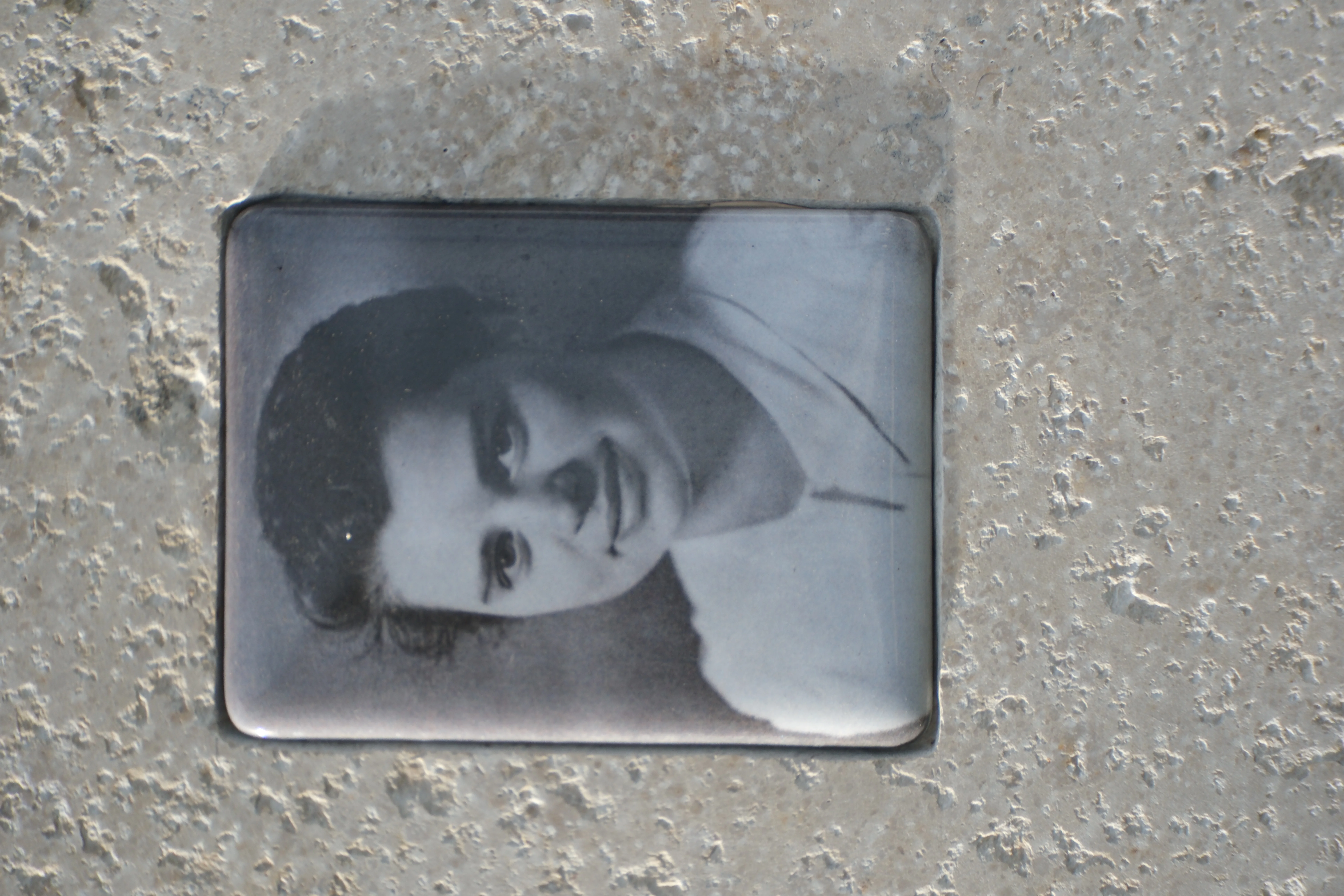
Image from Wikipedia
Image from Wikipedia
Maria Imma Mack – Courage, Humanity, and a Quiet Legacy Against Forgetting
A Sister who Brought Help, Comfort, and Hope in the Shadow of the Dachau Concentration Camp
Maria Imma Mack, born on February 10, 1924, as Josefa Mack in Möckenlohe near Eichstätt and died on June 21, 2006, in Munich, was part of the Congregation of the Poor School Sisters of Our Lady. She became known not for an artistic career, but for her life-threatening commitment to the inmates of the Dachau concentration camp, whom she secretly supplied with food, letters, and liturgical items under the alias "Mädi." Her biography exemplifies civil courage, Christian charity, and the moral strength of individuals during a time of radical dehumanization. ([stadt.muenchen.de](https://stadt.muenchen.de/infos/imma-mack-weg.html?utm_source=openai))
Biography: Origin from a Craftsman Family and Early Influences
Josefa Mack grew up in a craftsman family in Möckenlohe with two siblings. From an early age, she witnessed critical discussions about the political events of her time, sharpening her sensitivity to injustice and exclusion. Later, she adopted the name Maria Imma in her religious community, a step that made her spiritual calling visible and marked the beginning of her public work. ([donaukurier.de](https://www.donaukurier.de/lokales/landkreis-eichstaett/adelschlag-gedenkt-seiner-grossen-tochter-schwester-imma-mack-15404816?utm_source=openai))
The memory of her origins remained alive in her hometown. In 2024, she was honored with a commemorative plaque in Möckenlohe on the occasion of her 100th birthday, a sign that her life story is understood far beyond ecclesiastical circles as part of the regional culture of remembrance. This form of recognition combines historical reflection with public acknowledgment and firmly anchors Maria Imma Mack in the collective memory. ([commons.wikimedia.org](https://commons.wikimedia.org/wiki/File%3AGedenktafel_f%C3%BCr_Schwester_Imma_Mack_in_M%C3%B6ckenlohe-03.jpg?utm_source=openai))
The Journey to Dachau: A Mission that Saved Lives
In May 1944, the then 20-year-old Josefa Mack first entered the grounds of the Dachau concentration camp, originally in connection with purchases for the convent. This first trip developed into a regular, high-risk mission: Until the liberation of the camp at the end of April 1945, she traveled to Dachau most weeks, often later on her bicycle after train service was interrupted due to bomb alerts. Her activities were dangerous from the outset, as she knew that connections of this kind carried the death penalty. ([stadt.muenchen.de](https://stadt.muenchen.de/infos/imma-mack-weg.html?utm_source=openai))
Sources vividly describe how she gradually gained the trust of the inmates. A particularly defining detail of her story is her simple yet effective actions: she brought food, delivered letters, and supported the prisoners with items for worship services. It is this combination of practical help and spiritual closeness that makes her story so extraordinary, as she created space for dignity and humanity in the face of systematic violence. ([english.katholisch.de](https://english.katholisch.de/artikel/50992-with-bike-and-sledge-how-a-nun-helped-concentration-camp-prisoners?utm_source=openai))
Courage in Danger: Help That Risked Her Life
The state capital Munich remembers that Maria Imma Mack regularly supplied inmates of the Dachau concentration camp with food from May 1944 to April 1945 and maintained contact between prisoners and their relatives with smuggled letters. These letters were more than mere messages: they were lifelines in a world that systematically separated people from one another. The historical value of her actions lies not only in the material assistance provided but also in the psychological and moral support of the prisoners. ([stadt.muenchen.de](https://stadt.muenchen.de/infos/imma-mack-weg.html?utm_source=openai))
Later, she herself stated that she had been able to bring a little comfort and help to many inmates amidst great difficulties and dangers. In reports on her 100th birthday, her attitude appears as a mixture of humility and determination, driven by Christian faith and the conviction that compassion has room for action even under extreme conditions. These personal testimonies lend her biography a special authenticity and make her contributions historically tangible. ([english.katholisch.de](https://english.katholisch.de/artikel/50992-with-bike-and-sledge-how-a-nun-helped-concentration-camp-prisoners?utm_source=openai))
Later Honors: Culture of Remembrance and Public Recognition
Throughout her life, Maria Imma Mack received several honors. In 1986, she was awarded the Bavarian Order of Merit, and in 2004 she was inducted into the French Legion of Honor as a Knight for her courage and commitment to peace and reconciliation between Germany and France. Such awards indicate that her work is understood as exemplary not only within ecclesiastical circles but also politically and socially. ([domradio.de](https://www.domradio.de/artikel/vor-100-jahren-wurde-die-ordensfrau-imma-mack-geboren?utm_source=openai))
The local and institutional remembrance of her is also strong. The city of Munich named a street after her, and sources from the vicinity of the religious community as well as from the Diocese of Eichstätt highlight her role model status for young people. Her life thus represents not only the past but also an ethical standard that continues to provide guidance today. ([stadt.muenchen.de](https://stadt.muenchen.de/infos/imma-mack-weg.html?utm_source=openai))
Publications and Sources: Why Her Name Remains Present Today
In bibliographic and archival records, Maria Imma Mack appears, among other works, with the book “Why I Love Azaleas,” in which she documented her memories of traveling to the Dachau concentration camp plantation from May 1944 to April 1945. This source is particularly valuable as it provides an immediate insight into her experiences and complements historical research with a personal perspective. In databases and memorial portals, she is listed as Josefa Maria Imma Mack, underscoring her documented presence in contemporary history. ([orellfuessli.ch](https://www.orellfuessli.ch/shop/home/artikeldetails/A1000095586?utm_source=openai))
The reception of her life story ranges from regional newspaper reports to ecclesiastical and memorial cultural contributions. This creates a multifaceted picture: Maria Imma Mack is not only a historical figure but also a mediator between generations, institutions, and forms of commemoration. Her story demonstrates how individual actions can later become a lasting moral reference point. ([donaukurier.de](https://www.donaukurier.de/lokales/landkreis-eichstaett/adelschlag-gedenkt-seiner-grossen-tochter-schwester-imma-mack-15404816?utm_source=openai))
Historical Context: Civil Courage as a Cultural Legacy
Maria Imma Mack embodies a form of courage that does not shout but begins in everyday life. Her journey to Dachau was not a symbolic gesture but a continuous, dangerous practice of helping, characterized by endurance, discipline, and empathy. For this reason, her biography possesses a strong historical radiance: it shows how quiet consistency can lead to concrete salvation. ([stadt.muenchen.de](https://stadt.muenchen.de/infos/imma-mack-weg.html?utm_source=openai))
In German cultural memory, her name stands for the connection of religious calling and active humanity. Those who read her story encounter not a distant figure but a young woman who took responsibility under extreme conditions and protected the dignity of others. This attitude makes her relevant today as it reminds us of the possibility to act humanely even in dark times. ([domradio.de](https://www.domradio.de/artikel/vor-100-jahren-wurde-die-ordensfrau-imma-mack-geboren?utm_source=openai))
Conclusion: Why Maria Imma Mack Continues to Inspire
Maria Imma Mack is compelling because her life story shows how much weight a single decision can carry. From a nun, she became a brave helper; from a quiet movement in the background, she became a lasting role model for civil courage, faith, and humanity. Those interested in contemporary history, cultural memory, and exceptional biographical figures will find here an extraordinary woman whose legacy continues to resonate today. ([stadt.muenchen.de](https://stadt.muenchen.de/infos/imma-mack-weg.html?utm_source=openai))
Her life deserves to be told repeatedly because it changes the perspective on history: away from abstract numbers, toward concrete human actions. Maria Imma Mack stands for help under life-threatening circumstances, for hope in injustice, and for the enduring power of moral conviction. Her story should be known, remembered, and passed on. ([english.katholisch.de](https://english.katholisch.de/artikel/50992-with-bike-and-sledge-how-a-nun-helped-concentration-camp-prisoners?utm_source=openai))
Official Channels of Maria Imma Mack:
- Instagram: No official profile found
- Facebook: No official profile found
- YouTube: No official profile found
- Spotify: No official profile found
- TikTok: No official profile found
Sources:
- Wikipedia – Maria Imma Mack
- katholisch.de – With bike and sledge: how a nun helped concentration camp prisoners
- City of Munich – Imma-Mack-Weg
- DOMRADIO.DE – 100 Years Ago, Sister Imma Mack Was Born
- SSND Congregational Website – Sister M. Imma Mack
- SSND Congregational Website – Sister M. Imma Mack
- Donaukurier – Adelschlag commemorates its great daughter Sister Imma Mack
- Diocese of Eichstätt – Moved by the Holy Spirit – People Who Make a Difference
- German Digital Library – Josefa Maria Imma Mack