
Maria Imma Mack
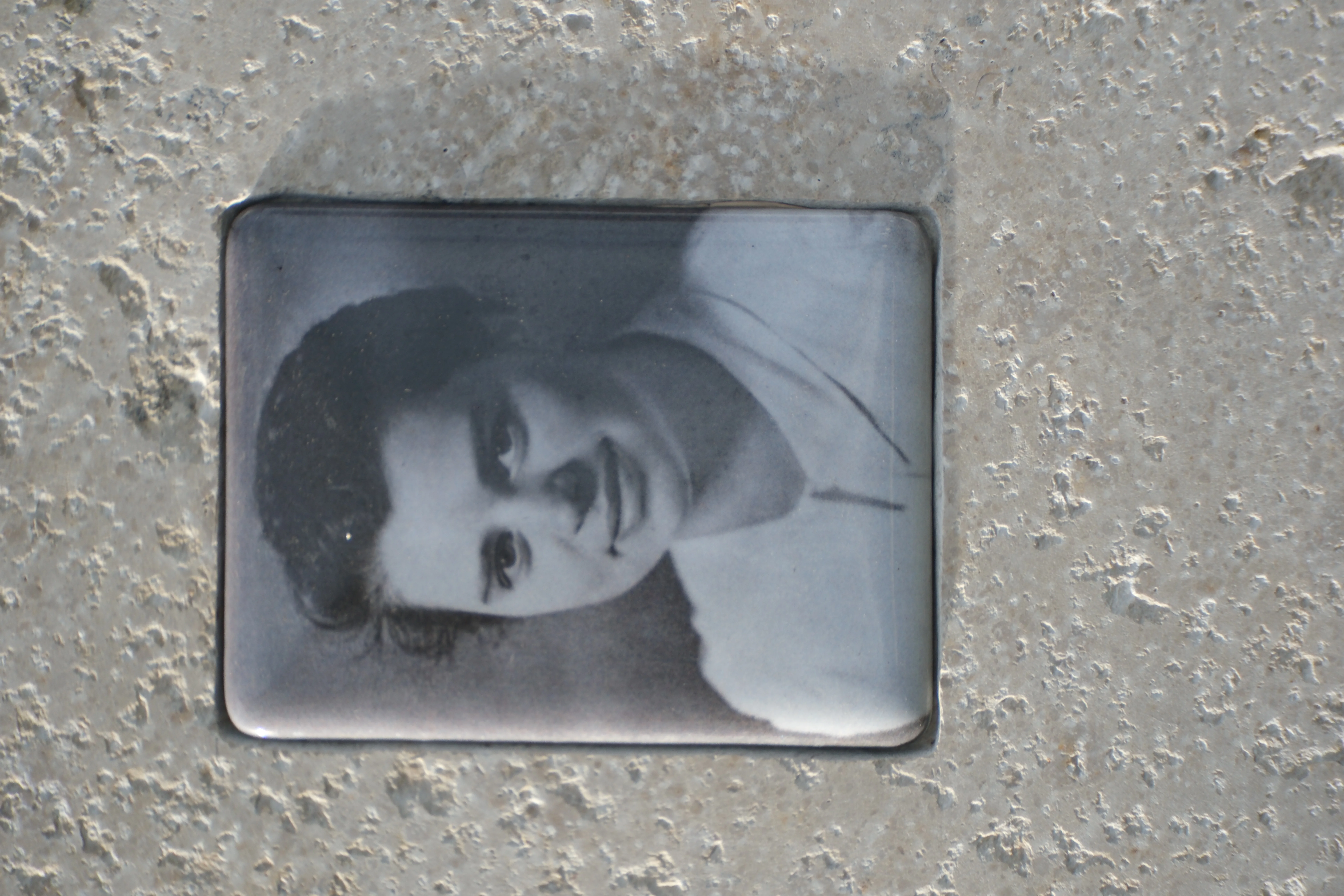
Image from Wikipedia
Image from Wikipedia
Maria Imma Mack – Courage, Conscience, and a Life in the Shadow of Dachau
A nun whose quiet bravery continues to resonate today
Maria Imma Mack, born as Josefa Mack on February 10, 1924, in Möckenlohe near Eichstätt, and died on June 21, 2006, in Munich, is one of those figures from German contemporary history whose influence extends far beyond her own biography. As a sister of the Congregation of the Poor School Sisters of Our Lady, she became a clandestine helper for prisoners of the Dachau concentration camp under the codename "Mädi," risking her life in the process. Her name stands for practical neighborly love, moral steadfastness, and a form of civil courage that grew to historical significance from the daily life of a nun. ([de.wikipedia.org](https://de.wikipedia.org/wiki/Maria_Imma_Mack?utm_source=openai))
Early Years Between Rural Roots and Vocation
Josefa Mack grew up in Möckenlohe and entered the community of the Poor School Sisters as a candidate in 1940. By 1942, she was working as an assistant in the order's children's home in Freising, during a time when her religious vocation was directly connected to concrete social responsibility. These early experiences shape the image of a young woman who did not live in distance from the world but was early on integrated into institutional structures of care and education. ([de.wikipedia.org](https://de.wikipedia.org/wiki/Maria_Imma_Mack?utm_source=openai))
The region she came from later recognized her explicitly as a significant daughter of the district of Eichstätt. To commemorate her life and the unusual courage she later exhibited in the vicinity of Dachau, the community of Adelschlag honored her with a memorial plaque on the occasion of her 100th birthday in 2024. This posthumous recognition shows that her biography remains relevant not only in a religious or local historical context but also culturally in terms of remembrance. ([donaukurier.de](https://www.donaukurier.de/lokales/landkreis-eichstaett/adelschlag-gedenkt-seiner-grossen-tochter-schwester-imma-mack-15404816?utm_source=openai))
The Path to Dachau: A Commission Becomes a Moral Decision
In 1944, she received her first assignment to purchase plants and flowers for the horticulture of Dachau concentration camp. What initially seemed like a mundane task became a key experience: on-site, she witnessed the plight of the prisoners, recognized the reality of the camp, and decided not to look away. From this moment arose a concrete ethical action that turned small gestures into significant historical impact. ([de.wikipedia.org](https://de.wikipedia.org/wiki/Maria_Imma_Mack?utm_source=openai))
From May 1944 to April 1945, she regularly traveled to the Dachau concentration camp, biking in the summer and pulling a sled in the winter. Under the pretense of buying flowers, she smuggled food, medicine, altar wine, host wafers, candles, and other items into the camp and maintained correspondence between prisoners and their families through letters. The fact that such behavior could have been punishable by death reveals the historical seriousness of her actions. ([stadt.muenchen.de](https://stadt.muenchen.de/infos/imma-mack-weg.html?utm_source=openai))
Codename "Mädi" and the Quiet Logic of Resistance
Under the codename "Mädi," Maria Imma Mack remained hidden, and this invisibility was part of her effectiveness. Her actions were not symbolic protests but practical resistance: food, comfort, communication, and religious items became means of humanity in a system of degradation. Therefore, in memory literature, she does not appear as a loud heroine but as a reliable, unassuming helper whose determination was fueled by faith, discipline, and compassion. ([de.wikipedia.org](https://de.wikipedia.org/wiki/Maria_Imma_Mack?utm_source=openai))
Later representations from ecclesiastical and memory-political contexts highlight her personality traits. She is described as simple, amiable, and full of life, but also as a woman who offered an open heart and listening ears to people in distress. This tension between gentleness and steadfastness gives her life story a special emotional depth. ([domradio.de](https://www.domradio.de/artikel/vor-100-jahren-wurde-die-ordensfrau-imma-mack-geboren?utm_source=openai))
Recognition, Remembrance, and Historical Contextualization
For her commitment, Maria Imma Mack received several awards. In 1986, she was awarded the Bavarian Order of Merit, in 2001, the City of Munich honored her with the "München leuchtet" award, and in 2004, she was made a Knight of the Legion of Honour in France. These recognitions mark that her actions were understood not only as a religious virtue but also as a socially and politically significant form of peace service. ([domradio.de](https://www.domradio.de/artikel/vor-100-jahren-wurde-die-ordensfrau-imma-mack-geboren?utm_source=openai))
Her story has also been preserved in publications, commemorative texts, and documentaries. The Dachau Concentration Camp Memorial Site, ecclesiastical information sites, and local remembrance formats refer to her role as a brave helper and the extraordinary circumstances under which she supported prisoners. This way, her name is now part of a broader remembrance of women who provided concrete help amid Nazi rule. ([de.wikipedia.org](https://de.wikipedia.org/wiki/Maria_Imma_Mack?utm_source=openai))
The Book as Testimony: Why I Love Azaleas
An important access to her biography is the book "Warum ich Azaleen liebe," which connects the memories and experiences of the young sister with the time she lived in. Even the title suggests that behind the historical figure lies a personal, narrative dimension: not just camp history, but a look at hope, perception, and the power of small, seemingly insignificant actions. The work reveals how closely spiritual practice and historical responsibility were intertwined in her case. ([thalia.de](https://www.thalia.de/shop/home/artikeldetails/A1000095586?utm_source=openai))
This testimony is particularly valuable for historical contextualization as it opens the perspective of the actor herself. It not only shows the suffering of the prisoners but also the inner development of a nun who found herself in an existential decision-making situation stemming from a religious mission. Thus, a biography becomes a moral document of contemporary history. ([thalia.de](https://www.thalia.de/shop/home/artikeldetails/A1000095586?utm_source=openai))
Style and Impact of Her Life Story
Maria Imma Mack exemplifies a form of historical effectiveness that does not rely on public performance. Her story speaks of responsibility in small actions, precise conduct, and the strength to preserve humanity under danger. It is precisely this unpretentiousness that makes her so compelling for today’s readers: it is the quiet, steadfast gesture, not the grand appearance, that shapes history. ([de.wikipedia.org](https://de.wikipedia.org/wiki/Maria_Imma_Mack?utm_source=openai))
In the cultural memory, her name is associated with Dachau, with the history of the religious orders, and with the question of how individuals could act within an inhumane system. Her biography is therefore not just a chapter of regional remembrance but also an example of ethical orientation in extreme situations. In a time when historical distance often leads to abstraction, her life remains concrete, vivid, and painfully clear. ([donaukurier.de](https://www.donaukurier.de/lokales/landkreis-eichstaett/adelschlag-gedenkt-seiner-grossen-tochter-schwester-imma-mack-15404816?utm_source=openai))
Conclusion: Why Maria Imma Mack Resonates Even Today
Maria Imma Mack fascinates because her life embodies the connection of faith, courage, and practical help in an extraordinarily credible way. She acted without pathos, but with conviction; without public attention, but with lasting impact. Those who engage with her biography encounter a woman whose quiet determination continues to resonate today and whose story remains memorable because she defended humanity where it was most threatened. ([de.wikipedia.org](https://de.wikipedia.org/wiki/Maria_Imma_Mack?utm_source=openai))
Those wishing to trace this story in the authentic voice of the time and in the trails of historical memory should consciously seek out the memorial sites and documentaries related to Maria Imma Mack. Her life remains an impressive example of how conscience can become action and how hidden help can emerge as a lasting sign of dignity. ([stadt.muenchen.de](https://stadt.muenchen.de/infos/imma-mack-weg.html?utm_source=openai))
Official Channels of Maria Imma Mack:
- Instagram: No official profile found
- Facebook: No official profile found
- YouTube: No official profile found
- Spotify: No official profile found
- TikTok: No official profile found
Sources:
- Wikipedia – Maria Imma Mack
- City of Munich – Imma-Mack-Weg
- Poor School Sisters – Sister Imma Mack has passed away
- Diocese of Eichstätt – Imma Mack, a courageous nun
- Congregation of the Poor School Sisters – Sister M. Imma Mack
- Dachau Concentration Camp Memorial Site – Short Biography of Imma Mack
- Wikipedia: Image and text source