
Maria Imma Mack
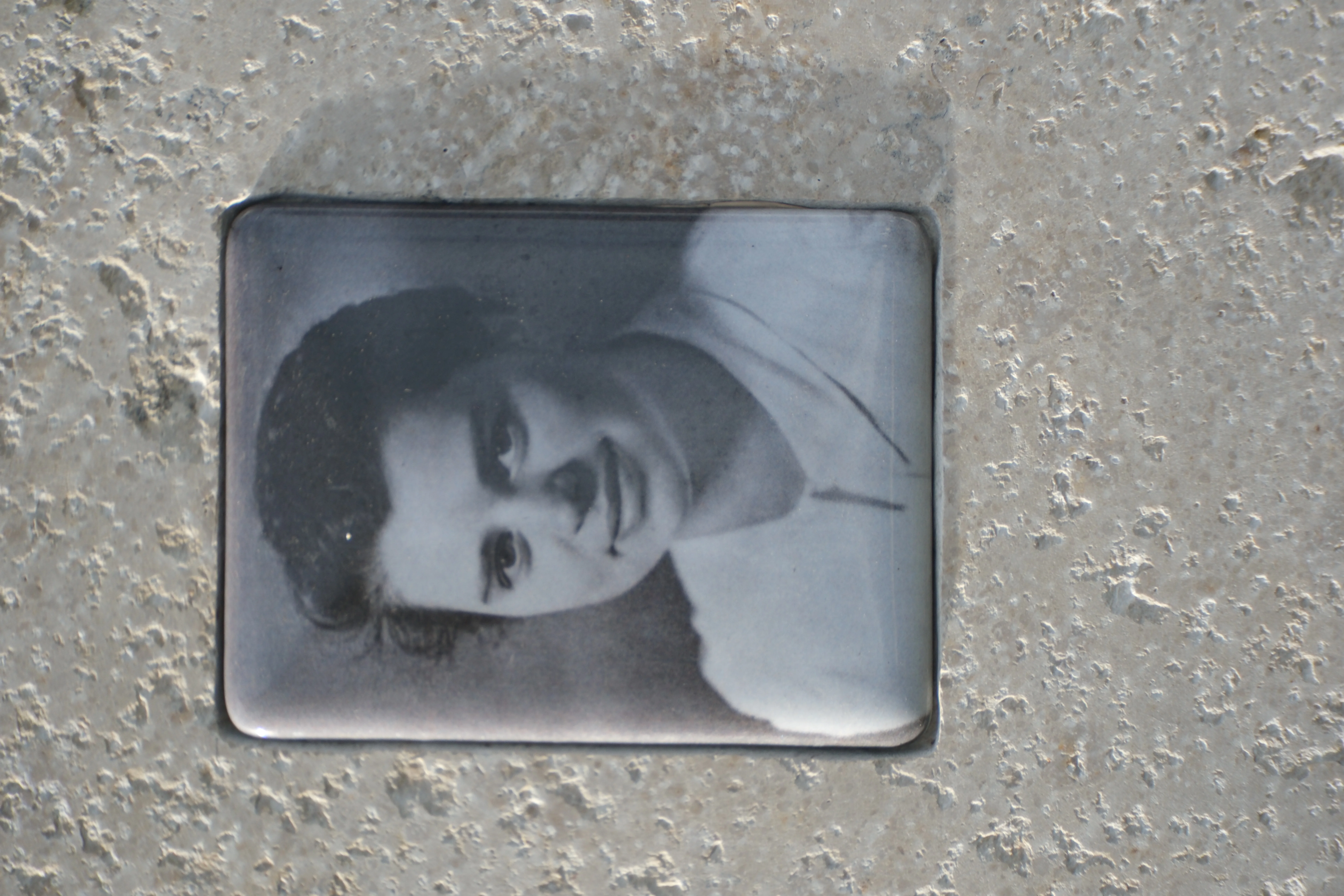
Image from Wikipedia
Image from Wikipedia
Maria Imma Mack: Courage, Humanity, and Living Resistance in the Shadow of Dachau
An Extraordinary Nun Between Faith, Danger, and Quiet Heroism
Maria Imma Mack, born on February 10, 1924, as Josefa Mack in Möckenlohe near Eichstätt and died on June 21, 2006, in Munich, is one of those personalities whose life path extends far beyond her own biography. As a nun of the Congregation of the Poor School Sisters of Our Lady in Munich, she became a quiet yet determined helper for inmates of the Dachau concentration camp. Under the alias "Mädi," she secretly provided the prisoners with food, letters, and liturgical items, risking her own safety for their sake. (stadt.muenchen.de)
Background and Early Influences
Josefa Mack grew up in Möckenlohe in a family of craftsmen, alongside two siblings. Her rural origins, ecclesiastical background, and social proximity to simple living conditions shaped her worldview early on. Later, she became known as Sister Maria Imma Mack in Munich, but her story begins in a small town in Upper Bavaria, from where her life journey would lead into one of the darkest periods of German history. (donaukurier.de)
The Path to the Congregation and Encountering Dachau
In May 1944, the then 20-year-old came into contact with the Dachau concentration camp for the first time, initially related to a shopping trip for the convent and the local plant sale. This first encounter developed into a mission she continued regularly over several months. Her later memories describe how she was able to bring comfort and aid to many inmates despite significant difficulties and dangers. This phrasing illustrates how deeply her actions were rooted in love for one's neighbor and courage. (english.katholisch.de)
Secret Aid at the Risk of Life
Between May 1944 and April 1945, Maria Imma Mack regularly provided food to inmates of the Dachau camp and maintained contact between prisoners and their families through smuggled letters. The city of Munich documents that she was aware that discovery could lead to the death penalty. Particularly striking is the mention of her winter journeys: when she could no longer ride her bike due to snow, she used a sled to reach the prisoners. (stadt.muenchen.de)
Why I Love Azaleas: Memory as Testimony
With the memoir "Warum ich Azaleen liebe" (Why I Love Azaleas), Maria Imma Mack left an important personal testimony about her journeys to the concentration camp's plantation from May 1944 to April 1945. The work shows that her commitment was not only a historical fact but also serves as a spiritual and moral confession in retrospect. The preservation of her experiences makes her a credible contemporary witness whose perspective sharpens the view of the everyday lives of helpers in the camp's environment. (zvab.com)
Acknowledgment, Culture of Remembrance, and Public Honors
In recent years, Maria Imma Mack has been publicly honored several times. For her 100th birthday in 2024, she will receive a commemorative plaque in Möckenlohe, and the state capital Munich also remembers her contributions with the “Imma-Mack-Weg” (Imma Mack Way). Such forms of remembrance anchor her actions not only in regional history but also in a broader culture of remembrance around Dachau, civil courage, and Christian solidarity. (commons.wikimedia.org)

Spirituality, Attitude, and Historical Context
Maria Imma Mack represents a form of lived faith that did not linger in abstraction but had concrete consequences. Her help for inmates stemmed from a religious conviction and a deep awareness of human dignity. Particularly in the context of the Dachau concentration camp, her actions take on extraordinary significance, as they expressed not only compassion but also constituted practical resistance against dehumanization. (english.katholisch.de)
Discography, Music Press, and Cultural Context
A classical musical discography, chart history, or album career does not exist for Maria Imma Mack, as she was not a musician. Nevertheless, her written testimony "Warum ich Azaleen liebe" is a culturally relevant document that is mentioned in publishing and memorial contexts, underscoring her historical significance. In a broader sense, her "public presence" is not found in pop culture but in memorial plaques, biographical publications, and church remembrance literature. (zvab.com)
Conclusion: A Quiet Heroine Whose Courage Resonates to This Day
Maria Imma Mack captivates because she acted in an extreme situation without pathos and without self-staging. Her life path connects faith, civil courage, and practical humanity with remarkable consistency. Anyone interested in history, culture of remembrance, and lived responsibility should engage with her work and visit the places of her remembrance. (english.katholisch.de)
Official Channels of Maria Imma Mack:
- Instagram: No official profile found
- Facebook: No official profile found
- YouTube: No official profile found
- Spotify: No official profile found
- TikTok: No official profile found
Sources:
- Wikipedia – Maria Imma Mack
- katholisch.de (English) – With bike and sledge: how a nun helped concentration camp prisoners
- City of Munich – Imma-Mack-Weg
- Donaukurier – Adelschlag honors its great daughter Sister Imma Mack
- SSND Congregational Website – Sister M. Imma Mack
- SSND Congregational Website – Sister M. Imma Mack
- Deutsche Digitale Bibliothek – Josefa Maria Imma Mack
- ZVAB – Warum ich Azaleen liebe