
Maria Imma Mack
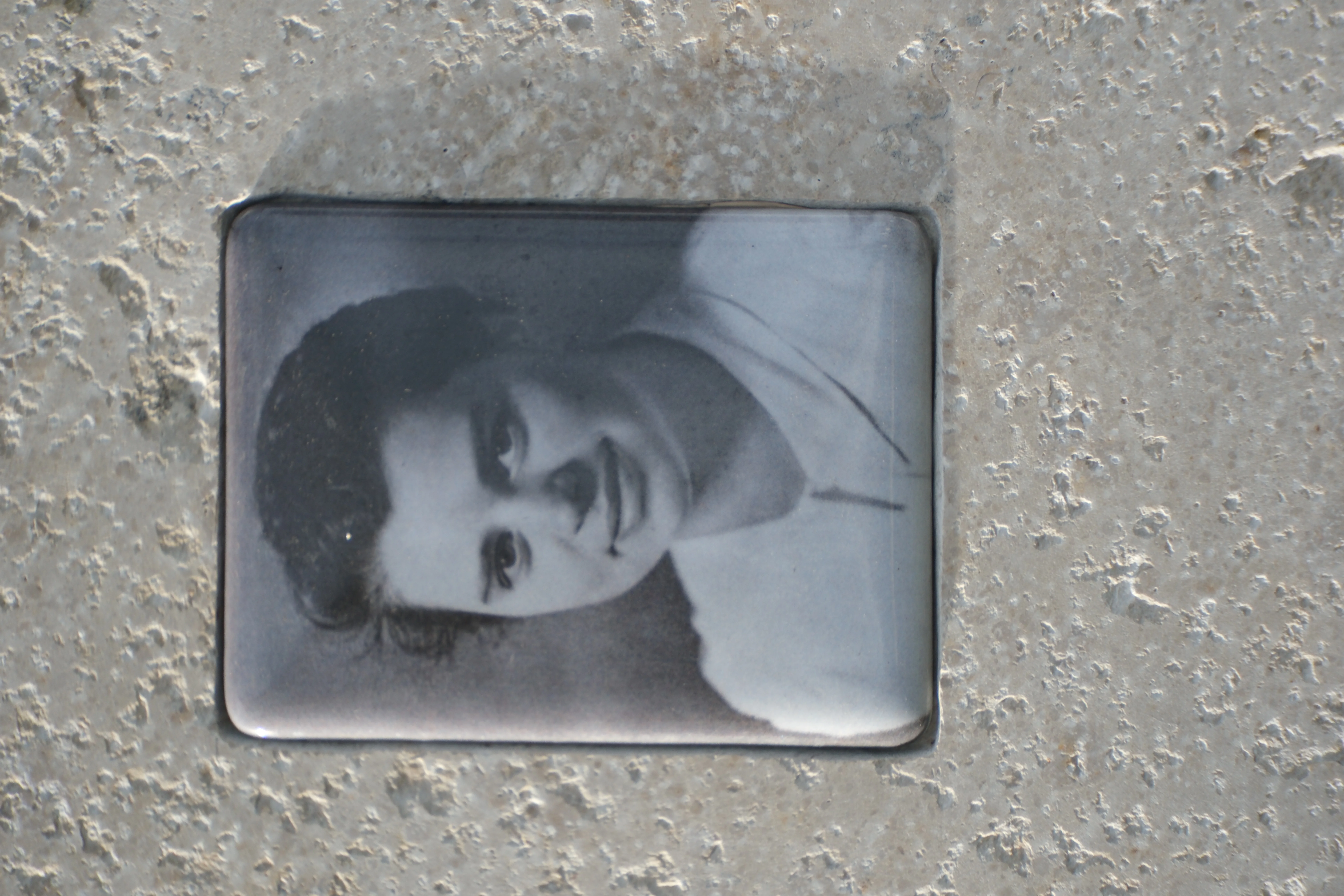
Image from Wikipedia
Image from Wikipedia
Maria Imma Mack – Courage, Conscience, and Quiet Grandeur in the Shadow of Dachau
An Extraordinary Life Story of Faith, Resistance, and Humanity
Maria Imma Mack, born on February 10, 1924, as Josefa Mack in Möckenlohe near Eichstätt, is one of those figures in German contemporary history whose actions were not loud but possessed extraordinary moral strength. As a nun of the Congregation of the Poor School Sisters of Our Lady in Munich, she became a secret helper for inmates of the Dachau concentration camp under the code name "Mädi." Her life impressively combines religious vocation, practical charity, and civil courage.
Her story is closely intertwined with the Nazi era, demonstrating how quiet conviction can translate into concrete assistance. Mack provided inmates with food, letters, and liturgical items, thereby offering help at great risk. Those who engage with her biography discover not a spectacular pathos but an attitude that resonates through humility and determination.
Early Formation and Vocation to Religious Life
Josefa Mack grew up in a family where the rejection of National Socialism became evident early on. According to preserved biographical accounts, her parents and school instilled an attitude that distanced itself from Nazi ideology, creating an inner compass from a young age. At the age of 16, she decided to enter the Poor School Sisters in Munich and began training as a needlework teacher in 1940.
This early decision marked the beginning of a life path characterized more by service than by self-promotion. When the training facility in the Munich Au was forcibly closed in January 1942, she subsequently worked as an assistant at the children's home of the school sisters in Freising St. Klara. From this everyday convent work developed the quiet steadfastness that would later prove life-saving in Dachau.
The Covert Efforts for the Inmates of Dachau
In 1944, Josefa Mack received her first assignment to buy plants and flowers at the Dachau concentration camp's garden shop. There, she was confronted with the misery of the inmates who had to work under inhumane conditions. This encounter did not lead to distance but rather a willingness to act: Together with her fellow sisters, she saved food to secretly smuggle it into the camp.
From May 1944 to April 1945, she traveled weekly to Dachau, cycling in summer and pulling a sled in winter. Under the pretense of buying flowers, she brought food and other supplies to the detainees. Her documented contributions included food, letters, liturgical items, altar wine, hosts, and eventually even holy oils and consecration texts. Her efforts contributed to Karl Leisner receiving priestly ordination in the camp in secret in 1944.
Faith as an Attitude: Charity in a State of Emergency
Maria Imma Mack exemplifies a form of Christian practice that goes beyond mere words. Her actions were characterized by conscience, pragmatism, and a deep sense of concrete help. Particularly in the context of the Dachau concentration camp, this attitude gains special historical sharpness because she did not observe from the outside; she acted in the midst of a system of violence.
Accounts from the environment of the Poor School Sisters describe her as a modest, kind, and life-affirming nun who remained open to others throughout her life. In retrospect, these qualities do not appear small but rather foundational. In a time of dehumanization, she was a woman who organized humanity – with baskets, paths, lists, courage, and persistence.
Post-War Period, Religious Name, and Written Testimony
After the war, Josefa Mack entered the novitiate of the Congregation of the Poor School Sisters of Our Lady in Munich in 1945 and adopted the religious name Maria Imma. She took her vows a year later. In 1951, she also passed the master examination to become a women's tailor, adding a craft and educational dimension to her life as a nun.
Her written testimony became particularly important, which she only articulated late in life. In 1989, she published her memoirs under the title "Why I Love Azaleas." The book documents her trips to the Dachau concentration camp and preserves memories of a time she had long remained silent about. In doing so, she left behind not only personal notes but also a historical source of great value.
Awards, Culture of Remembrance, and Public Recognition
The contributions of Maria Imma Mack have been recognized in various forms in later years. In 2001, she received the "Munich Glows" award. In 2004, she was inducted as a "femme chevalier" into the French Legion of Honor, followed by the Federal Cross of Merit 1st Class in 2005 and the papal honor Pro Ecclesia et Pontifice. These awards acknowledge not only courage but also the moral integrity of a lifetime.
Her name continues to live on in the culture of remembrance. In Eching, a secondary school was named after her in 2007; in Munich, the Imma-Mack-Weg was established in 2009, and there is also an Imma-Mack-Weg in Möckenlohe, along with a commemorative plaque since 2024. Places in Freising and Ingolstadt also bear her name. A memorial stele at the Platz der Freiheit in Munich has commemorated Josefa Mack since 2016, visibly anchoring her efforts in the public space.
Work and Historical Significance
Even though Maria Imma Mack was not an artist in the musical sense, her written work holds a special documentary significance. "Why I Love Azaleas" is a memoir that weaves personal experience, testimony of faith, and historical witness together. It is a quiet yet powerful document against forgetting.
Her significance lies in the connection between individual courage and institutional responsibility. She did not act as a symbolic figure from a distance but as a nun with real paths, real risks, and real deeds. This is where her lasting authority lies: in the discreet determination to preserve humanity in an inhumane time.
Cultural Influence and Lasting Relevance
Maria Imma Mack is more than a historical peripheral figure today. She represents a form of resistance that does not rely on grand gestures yet remains consequential. Her life illustrates how moral integrity takes shape in everyday life and how vital women were in the history of religious and civil resistance.
Her example remains relevant because it thinks of responsibility not in the abstract but in the practical. Remembering Maria Imma Mack also means reinterpreting the significance of civil courage, religious conviction, and willingness to help. Her biography speaks for itself – quietly, clearly, and compellingly.
Conclusion: A Quiet Heroine Whose Courage Lingers Today
Maria Imma Mack impresses with a rare blend of inner strength, humility, and resolute humanity. She embodies an attitude that provides orientation in the darkness of history and shows the immense power of consistently practiced charity. Those who engage with her life encounter a woman whose courage did not manifest spectacularly but touched and preserved lives.
Her story deserves to be remembered and carried forward. A visit to the places of commemoration that bear her name makes this attitude tangible. Maria Imma Mack remains an impressive personality of the 20th century – and an example of why quiet bravery should never be underestimated.
Official Channels of Maria Imma Mack:
- Instagram: no official profile found
- Facebook: no official profile found
- YouTube: no official profile found
- Spotify: no official profile found
- TikTok: no official profile found