
Maria Imma Mack
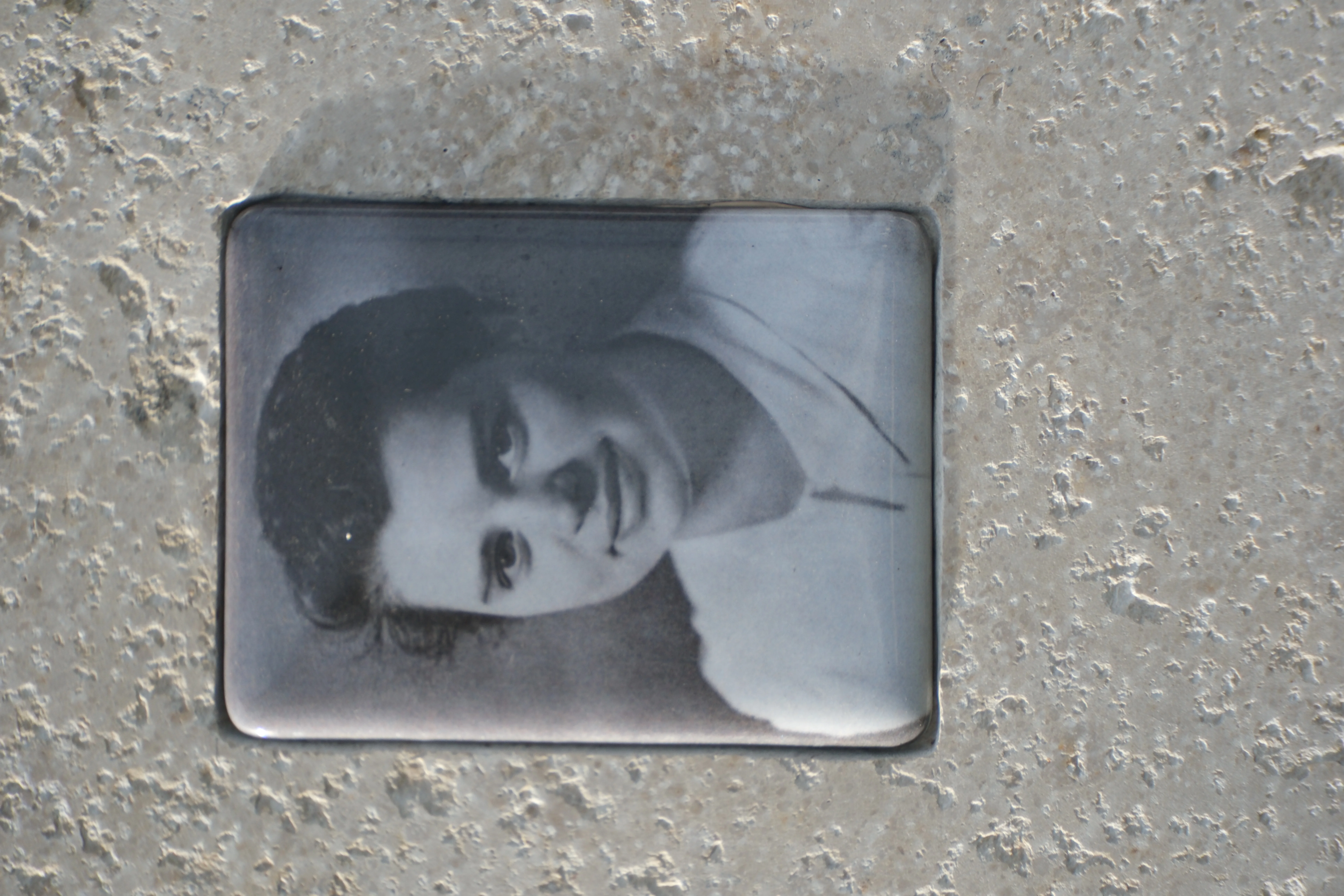
Image from Wikipedia
Image from Wikipedia
Maria Imma Mack: A Life for Courage, Conscience, and Humanity
The Quiet Heroine from Möckenlohe
Maria Imma Mack, born as Josefa Mack on February 10, 1924, in Möckenlohe near Eichstätt and passed away on June 21, 2006, in Munich, is one of the most impressive figures of Catholic resistance in Bavaria. As a nun of the Poor School Sisters of Our Lady, she became a secret helper for inmates of the Dachau concentration camp under the alias "Mädi." Her life represents civil courage, charity, and the power of personal conscience in a time of state violence. ([de.wikipedia.org](https://de.wikipedia.org/wiki/Maria_Imma_Mack?utm_source=openai))
Childhood, Vocation, and the Path to the Order
Josefa Mack grew up in rural circumstances and entered the candidacy of the Poor School Sisters in Munich in 1940. There, she began training as a handicraft teacher and quickly found her place in a community that combined education, pastoral care, and social responsibility. In 1945, she entered the novitiate and took the religious name Maria Imma. This biographical line not only shows a religious vocation but also the discipline and inner strength that later shaped her actions. ([schulschwestern.de](https://schulschwestern.de/sr-imma-mack-maedi/?utm_source=openai))
The Alias "Mädi" and Secret Assistance for Dachau
Maria Imma Mack became particularly well-known for her risky journeys to the Dachau concentration camp. Starting in May 1944, she secretly supplied inmates with food, letters, medication, and liturgical items. Sources report that she mainly assisted Polish clergy and other prisoners by delivering mass wine, communion hosts, candles, and personal messages. Under the alias "Mädi," she remained active within a network of quiet help, despite knowing that this support was life-threatening. ([kz-gedenkstaette-dachau.de](https://www.kz-gedenkstaette-dachau.de/kurzbiografie/kurzbiografie-imma-mack/?utm_source=openai))
Courage in the Shadows of the Concentration Camp
The journey to Dachau was arduous, the train connections poor, and each trip carried a significant risk. Maria Imma Mack utilized her position within the order to organize goods and contacts that benefited the inmates. This form of resistance was not a loud gesture but a precise, repeated, and highly dangerous practice of humanity. It is here that the historical significance of her actions lies: she used her strength not for fame but for the survival of others. ([schulschwestern.de](https://schulschwestern.de/sr-imma-mack-maedi/?utm_source=openai))
After the War: Memory, Recognition, and a Lasting Role Model
After 1945, Maria Imma Mack remained present as a nun and eyewitness. Her story was later addressed and honored in memorial sites, church publications, and local remembrance projects. In 1986, she received the Bavarian Order of Merit, an award that made her contribution as a historical act of particular importance visible. Today, a memorial plaque in her birthplace Möckenlohe commemorates her life and work. ([english.katholisch.de](https://english.katholisch.de/artikel/50992-with-bike-and-sledge-how-a-nun-helped-concentration-camp-prisoners?utm_source=openai))
Historical Significance and Cultural Influence
Maria Imma Mack exemplifies those quiet helpers who defended human dignity at the risk of their lives during National Socialism. Her actions connect the history of religious orders, regional memory culture, and the history of the Dachau concentration camp into a dense biographical narrative. In this sense, she is not just a figure of church history but also a person of political and moral education. Her name today stands for responsibility that arises from faith, empathy, and consistency. ([kz-gedenkstaette-dachau.de](https://www.kz-gedenkstaette-dachau.de/kurzbiografie/kurzbiografie-imma-mack/?utm_source=openai))
A Life Without Stage Applause, but with Lasting Impact
Maria Imma Mack did not seek publicity, yet her example resonates far beyond her lifetime. Engaging with her biography shows how profoundly individual people can shape history when they act at the crucial moment. Her story is moving because it does not require dramatization: it speaks of courage under pressure, responsibility in secrecy, and an attitude that still provides guidance today. Those who reflect on her life encounter a woman whose courage was not loud, but unmistakable. ([de.wikipedia.org](https://de.wikipedia.org/wiki/Maria_Imma_Mack?utm_source=openai))
Conclusion: Why Maria Imma Mack Inspires Today
Maria Imma Mack fascinates through the combination of faith, moral clarity, and practical help. Her life journey shows that historical greatness often emerges where people remain humane despite danger. Anyone interested in resistance history, religious life, and the memory of Dachau will find in her an extraordinary personality. A visit to the memorial sites and engagement with her biography is worthwhile because her courage still encourages us to look and act. ([kz-gedenkstaette-dachau.de](https://www.kz-gedenkstaette-dachau.de/kurzbiografie/kurzbiografie-imma-mack/?utm_source=openai))
Official Channels of Maria Imma Mack:
- Instagram: No official profile found
- Facebook: No official profile found
- YouTube: No official profile found
- Spotify: No official profile found
- TikTok: No official profile found
Sources:
- Dachau Concentration Camp Memorial Site – Short Biography of Imma Mack
- Wikipedia – Maria Imma Mack
- Poor School Sisters Online – Sr. Imma Mack (Mädi)
- Poor School Sisters Online – Josefa Mack / Sister Maria Imma Mack
- katholisch.de (English) – With bike and sledge: how a nun helped concentration camp prisoners
- Donaukurier – Memorial plaque for Sister Imma Mack in Möckenlohe
- Wikipedia: Image and text source