
Maria Imma Mack
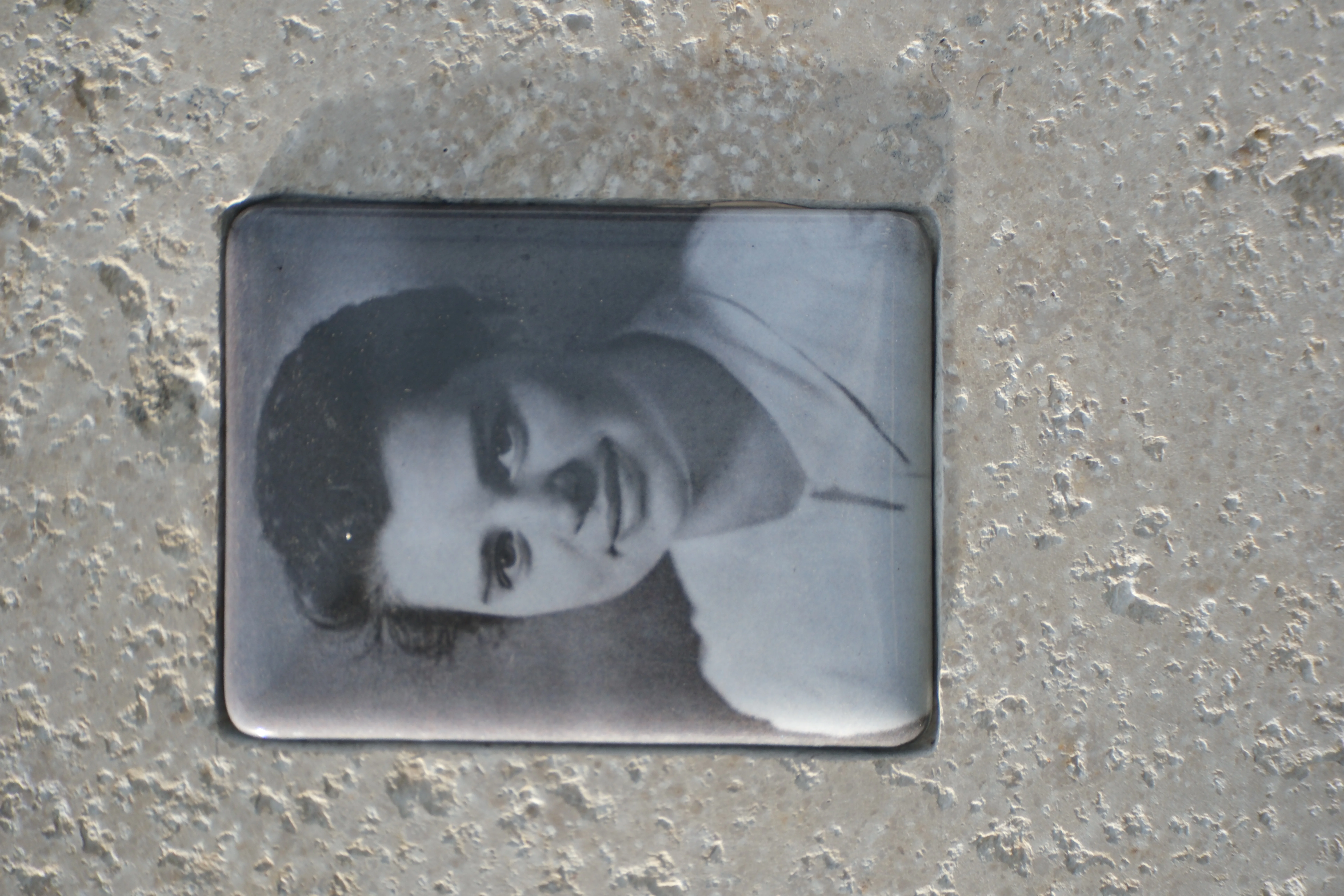
Image from Wikipedia
Image from Wikipedia
Maria Imma Mack – The quiet yet courageous nun who brought hope to Dachau at the risk of her life
A life between faith, conscience, and civil courage
Maria Imma Mack, born on February 10, 1924, as Josefa Mack in Möckenlohe near Eichstätt, is one of the most impressive female figures in Germany of the 20th century. As a nun of the Poor School Sisters of Our Lady in Munich, she became known not through public appearances but through a quiet, deeply human drive that operated in the shadows of National Socialism. Her name stands for conscience, courage, and an unwavering stance against injustice. ([schulschwestern.de](https://schulschwestern.de/sr-imma-mack-maedi/?utm_source=openai))
The biography she experienced combines religious vocation, educational work, and resistance in everyday life. Under the code name "Mädi," she secretly supplied inmates of the Dachau concentration camp with food, letters, and liturgical items, putting her own life at risk. This form of lived solidarity makes Maria Imma Mack a historical figure of extraordinary moral authority. ([schulschwestern.de](https://schulschwestern.de/sr-imma-mack-maedi/?utm_source=openai))
Early years: Background, influence, and calling
Josefa Mack grew up in a family that rejected National Socialism early on and decided to pursue the path of the Poor School Sisters in Munich at the age of 16. In 1940, she began training as a handicrafts teacher, a step that permanently shaped her life and sharpened her social perspective. The combination of religious discipline and practical educational work formed the foundation of her later actions. ([schulschwestern.de](https://schulschwestern.de/sr-imma-mack-maedi/?utm_source=openai))
In January 1942, the training facility in the Munich Au was forcibly closed by the National Socialists. Josefa Mack then worked as an assistant at the children's home of the School Sisters in Freising St. Klara, where her sense of responsibility deepened. From this phase of life, the attitude developed that later made her a courageous helper at Dachau. ([schulschwestern.de](https://schulschwestern.de/sr-imma-mack-maedi/?utm_source=openai))
Dachau: Covert assistance for prisoners
The decisive chapter of her biography began with trips to the vegetable garden of the Dachau concentration camp. There, Josefa Mack witnessed the plight of the inmates and resolved to take action. She brought flowers, vegetables, letters, Mass wine, hosts, and other items hidden in her basket to the prisoners, thus making a quiet but highly risky contribution to human dignity in a dehumanizing system. ([schulschwestern.de](https://schulschwestern.de/sr-imma-mack-maedi/?utm_source=openai))
According to reports, she traveled to Dachau about 60 times until the end of the war or walked there in the winter, pulling a sled with gifts for the inmates. Her efforts exemplify a form of civil courage that was not loud but consistent. It is precisely in this that the historical significance of Maria Imma Mack lies: she acted not from a desire for attention but out of moral necessity. ([schulschwestern.de](https://schulschwestern.de/josefa-mack-maedi-engel-von-dachau-schwester-maria-imma-mack/?utm_source=openai))
The significance of her work for Karl Leisner and the culture of remembrance
Her efforts gained particular significance in that they enabled the secret ordination of Karl Leisner through her routes to Dachau. The provision of liturgical items and logistical support made an act of faith possible that is still regarded as unique today. In doing so, Maria Imma Mack became part of a historical moment in which human assistance gained religious and symbolic power. ([schulschwestern.de](https://schulschwestern.de/sr-imma-mack-maedi/?utm_source=openai))
After the war, Josefa Mack entered the novitiate and became Sister Maria Imma Mack. She lived and worked initially in Garmisch and later in the Munich Au as a handicrafts teacher. Her long silence about her experiences and the fact that she only recorded her memories in 1989 in the book "Why I Love Azaleas" underscores the reserved yet deeply reflective nature of her life journey. ([schulschwestern.de](https://schulschwestern.de/sr-imma-mack-maedi/?utm_source=openai))
Works, testimony, and written legacy
Even though Maria Imma Mack was not a musician in the artistic sense, her written testimony holds high documentary and cultural value. The work "Why I Love Azaleas" is listed in the German Digital Library and is recorded there as a reminder of her journeys to the Dachau plantation. Thus, her personal experience transforms into a historical source that connects contemporary history, testimonies of faith, and moral self-assurance. ([deutsche-digitale-bibliothek.de](https://www.deutsche-digitale-bibliothek.de/person/gnd/113520522?utm_source=openai))
Her life illustrates how strongly biographical writing can secure memory, particularly when institutions and testimonies seek to provide guidance for posterity. In the reception of her persona, self-representation is not the priority; rather, it focuses on the testimony of a woman who remained silent, acted, and only later shared her story. It is precisely this sequence that lends her legacy a particular credibility. ([schulschwestern.de](https://schulschwestern.de/sr-imma-mack-maedi/?utm_source=openai))
Awards and public recognition
For her courageous and selfless efforts, Maria Imma Mack received numerous awards, including the Bavarian Order of Merit, the Federal Cross of Merit 1st Class, and the Honor Cross Pro Ecclesia et Pontifice. Additionally, she was inducted as a chevalier into the French Legion of Honor. These honors reflect the broad recognition of her work beyond ecclesiastical and regional boundaries. ([schulschwestern.de](https://schulschwestern.de/sr-imma-mack-maedi/?utm_source=openai))
The accolades emphasize that civil courage remains effective not only morally but also historically. Where many life stories vanish into archives, Maria Imma Mack remains a presence, exemplifying determined humanity. Her story is thus still shared in commemorative and educational contexts today. ([schulschwestern.de](https://schulschwestern.de/sr-imma-mack-maedi/?utm_source=openai))
Style, attitude, and cultural influence
The cultural influence of Maria Imma Mack lies in the connection of Christian spirituality, educational work, and ethics of resistance. She embodies a form of women's history that often occurs in the shadows yet unfolds societal relevance. Her life story demonstrates how individual agency can preserve spaces of humanity even under totalitarian conditions. ([schulschwestern.de](https://schulschwestern.de/sr-imma-mack-maedi/?utm_source=openai))
In the culture of remembrance surrounding Dachau, she holds a firm place. The Dachau Concentration Camp Memorial Site provides a brief biography of her, and the Poor School Sisters extensively commemorate her life pathway. Thus, she is not only part of church history but also a notable name in German memorial culture. ([schulschwestern.de](https://schulschwestern.de/sr-imma-mack-maedi/?utm_source=openai))
Context without music: Why this page remains relevant
Maria Imma Mack is neither a musician nor an artist of pop, rock, or classical history. Nevertheless, her life path fulfills all the prerequisites for a high-quality biographical page: a distinctive background, a turning point in war, a documented written legacy, and sustainable public reception. Such life stories attract interest because they combine moral authority with historical weight. ([schulschwestern.de](https://schulschwestern.de/sr-imma-mack-maedi/?utm_source=openai))
Anyone engaged with German contemporary history, Catholic women's biography, and resistance in everyday life will find in Maria Imma Mack an extraordinary figure. Her story shows that courage does not always manifest loudly but often grows in silence. That is where her lasting fascination lies. ([schulschwestern.de](https://schulschwestern.de/sr-imma-mack-maedi/?utm_source=openai))
Conclusion: A life that continues to inspire
Maria Imma Mack remains fascinating because her life embodies a rare mix of inner conviction, practical help, and historical significance. She acted under great danger while preserving dignity, stance, and compassion. Those interested in extraordinary women's stories, resistance history, and lived solidarity should engage with her legacy and visit the places of her memory. ([schulschwestern.de](https://schulschwestern.de/sr-imma-mack-maedi/?utm_source=openai))
Official channels of Maria Imma Mack:
- Instagram: No official profile found
- Facebook: No official profile found
- YouTube: No official profile found
- Spotify: No official profile found
- TikTok: No official profile found
Sources:
- Poor School Sisters – Sr. Imma Mack (Mädi) ([schulschwestern.de](https://schulschwestern.de/sr-imma-mack-maedi/?utm_source=openai))
- Poor School Sisters – Josefa Mack / Angel of Dachau / Sister Maria Imma Mack ([schulschwestern.de](https://schulschwestern.de/josefa-mack-maedi-engel-von-dachau-schwester-maria-imma-mack/?utm_source=openai))
- German Digital Library – Josefa Maria Imma Mack ([deutsche-digitale-bibliothek.de](https://www.deutsche-digitale-bibliothek.de/person/gnd/113520522?utm_source=openai))
- Dachau Concentration Camp Memorial – Brief biography of Imma Mack ([kz-gedenkstaette-dachau.de](https://www.kz-gedenkstaette-dachau.de/kurzbiografie/kurzbiografie-imma-mack/?utm_source=openai))
- Wikipedia: Image and text source (provided raw material)