
Maria Imma Mack
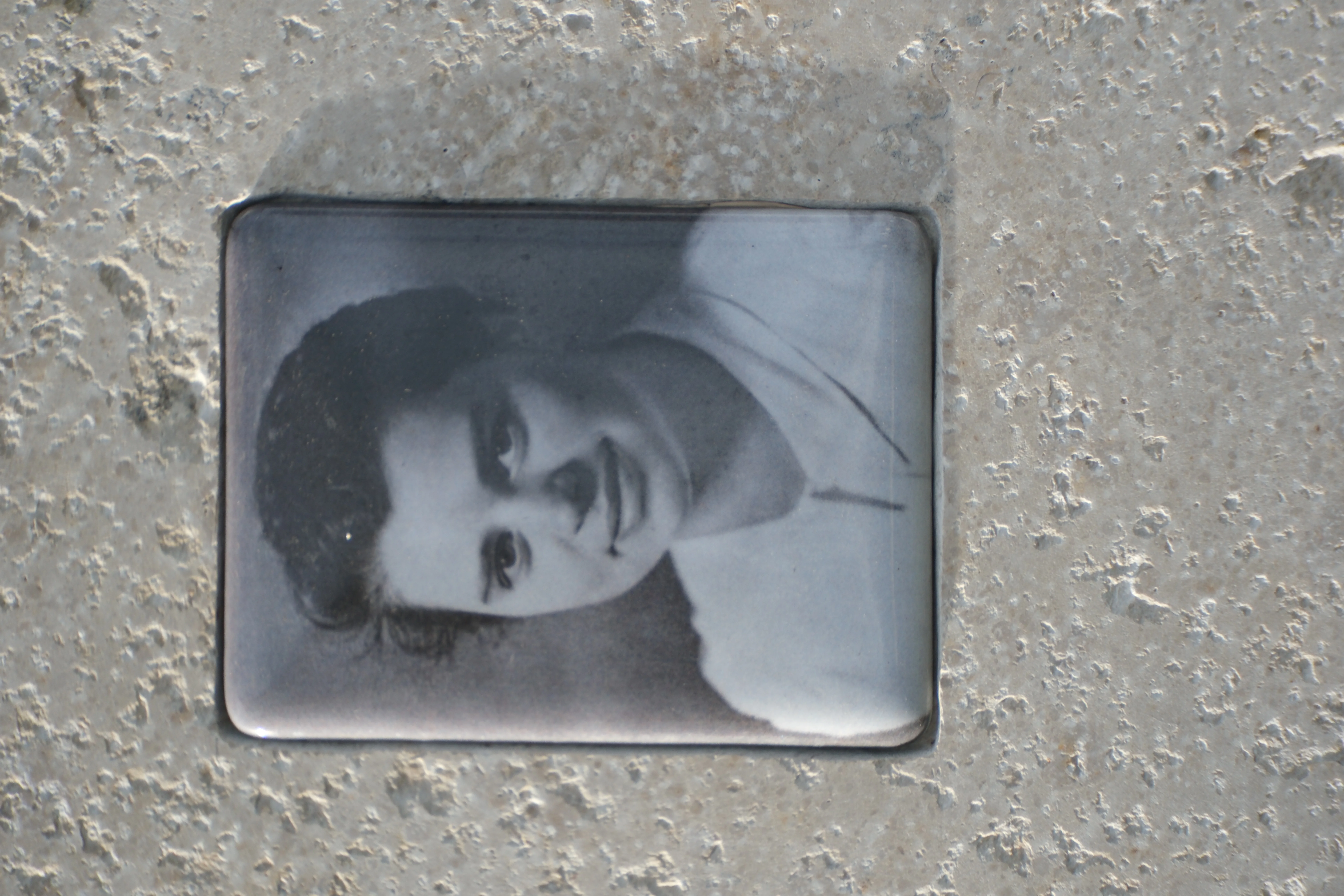
Image from Wikipedia
Image from Wikipedia
Maria Imma Mack: Courage, Conscience, and a Quiet Legacy of Humanity
A nun who acted decisively in the shadow of the Dachau concentration camp
Maria Imma Mack, born on February 10, 1924, as Josefa Mack in Möckenlohe near Eichstätt and died on June 21, 2006, in Munich, is one of those personalities whose life story extends far beyond a classical biography. She was a nun of the Congregation of the Poor School Sisters of Our Lady in Munich and became known primarily for her clandestine assistance to inmates of the Dachau concentration camp. Under the pseudonym "Mädi," she provided food, letters, and liturgical items to the prisoners. ([stadt.muenchen.de](https://stadt.muenchen.de/infos/imma-mack-weg.html?utm_source=openai))
Her name symbolizes civil courage in a time when even the smallest gestures of humanity could be life-threatening. The sources depict a young woman who acted out of faith and was not paralyzed by fear or control. It is precisely this combination of religious vocation, practical help, and personal risk that makes her life so impressive to this day. ([domradio.de](https://www.domradio.de/artikel/vor-100-jahren-wurde-die-ordensfrau-imma-mack-geboren?utm_source=openai))
Background and Early Influences
Josefa Mack grew up in Möckenlohe in a craftsman's family and was socialized in a rural environment that likely shaped her later attitude. The documented sources do not mention a glamorous career in the artistic sense, but rather a path of inner determination and service to others. For readers who understand biographies as expressions of character and historical responsibility, this life story possesses great narrative power. ([donaukurier.de](https://www.donaukurier.de/lokales/landkreis-eichstaett/adelschlag-gedenkt-seiner-grossen-tochter-schwester-imma-mack-15404816?utm_source=openai))
From an early age, a sensitivity to political and social developments emerged, which is highlighted in later reports about her life. This shaping explains why she perceived the situation of concentration camp inmates not in the abstract, but as an immediate human mission. From the biographical raw material of a simple beginning emerged a life of exceptional historical significance. ([selige-kzdachau.de](https://www.selige-kzdachau.de/index.php/neuigkeiten/2025/josefa-mack?utm_source=openai))
The Path to Dachau: Aid at the Cost of Life
In May 1944, Josefa Mack first entered the Dachau concentration camp, initially in connection with purchases for the congregation. From this first trip, a regular assistance emerged that lasted until the camp's liberation in April 1945. The state capital of Munich documents that from May 1944 to April 1945, she repeatedly provided food to inmates of Dachau and smuggled letters, even though she must have been aware that such actions could lead to the death penalty. ([stadt.muenchen.de](https://stadt.muenchen.de/infos/imma-mack-weg.html?utm_source=openai))
Especially striking is the account of the winter months of 1944/45: When snow and cold made the paths difficult, she used a bicycle and, at times, even a sled to continue her journey after interruptions to the train service. These details coalesce into a picture of unyielding persistence. The willingness to help was not symbolic but concrete, physically demanding, and accompanied by constant danger. ([english.katholisch.de](https://english.katholisch.de/artikel/50992-with-bike-and-sledge-how-a-nun-helped-concentration-camp-prisoners?utm_source=openai))
Impact, Recognition, and Later Commemoration
After the war, Maria Imma Mack was honored multiple times because her actions are considered an exemplary testament to peace service and reconciliation. The DOMRADIO report cites, among other awards, the Bavarian Order of Merit, which she received in 1986, as well as her induction into the French Legion of Honor in 2004. These accolades do not mark an external career but rather a retrospective public recognition for courageous conscience and consistent humanity. ([domradio.de](https://www.domradio.de/artikel/vor-100-jahren-wurde-die-ordensfrau-imma-mack-geboren?utm_source=openai))
Municipal and ecclesiastical memorial sites also keep her memory alive. Munich dedicated the Imma-Mack-Weg to her, and in her birthplace Möckenlohe, a memorial plaque will be erected in 2024 to mark her 100th birthday. Such signs show that her story remains anchored not only in church circles but also in public memory. ([stadt.muenchen.de](https://stadt.muenchen.de/infos/imma-mack-weg.html?utm_source=openai))
Written Testimony and Historical Context
For understanding her biography, her own memoir is also important, known under the title "Warum ich Azaleen liebe” (Why I Love Azaleas). Several sources refer to the fact that she reflected on her trips to the concentration camp's plantation and her experiences from May 1944 to April 1945 within its pages. This provides insight into her life not only through posthumous honors but also through a personal witness account. ([orellfuessli.ch](https://www.orellfuessli.ch/shop/home/artikeldetails/A1000095586?utm_source=openai))
Historically, Maria Imma Mack exemplifies those quiet helpers whose courage in the camp context often only became visible much later. The sources from the SSND congregation and church archives emphasize that she continued her assistance at great risk, living a connection of faith, responsibility, and practical charity. Thus, she belongs to the prominent memorial figures of Dachau's history. ([gerhardinger.org](https://gerhardinger.org/about/history/history-sister-m-imma-mack/?utm_source=openai))
Why Maria Imma Mack Resonates Today
Maria Imma Mack fascinates because her life shows how a single decision can hold historical weight. She embodies courage without pathos, conviction without self-promotion, and help without calculation. Especially in a time when the work of remembrance and moral orientation are more important than ever, her story feels immediate and credible. ([stadt.muenchen.de](https://stadt.muenchen.de/infos/imma-mack-weg.html?utm_source=openai))
Those interested in contemporary history, church engagement, and human resilience will find in her an extraordinary personality. A lively visit to the places that commemorate her, or a deeper engagement with her writings, opens one's perspective on the power of conscience. Maria Imma Mack remains a woman whose example is not loud but resonates long after. ([commons.wikimedia.org](https://commons.wikimedia.org/wiki/File%3AGedenktafel_f%C3%BCr_Schwester_Imma_Mack_in_M%C3%B6ckenlohe-03.jpg?utm_source=openai))
Voices of the Fans
No official social media profile found, so this section is omitted.
Conclusion
Maria Imma Mack represents lived humanity under extreme conditions, faith as a driving force, and courage that does not seek the spotlight. What is particularly intriguing about her story is the connection between historical relevance, personal humility, and consistent willingness to help. Those who engage with her life encounter a woman whose legacy continues to resonate today and invites a closer look. ([stadt.muenchen.de](https://stadt.muenchen.de/infos/imma-mack-weg.html?utm_source=openai))
Official Channels of Maria Imma Mack:
- Instagram: no official profile found
- Facebook: no official profile found
- YouTube: no official profile found
- Spotify: no official profile found
- TikTok: no official profile found
Sources:
- Wikipedia: Maria Imma Mack
- Katholisch.de / KNA – With bike and sledge: how a nun helped concentration camp prisoners
- Landeshauptstadt München – Imma-Mack-Weg
- DOMRADIO.DE – 100 years ago Sister Imma Mack was born
- SSND Congregational Website – Sister M. Imma Mack
- SSND Congregational Website – Sister M. Imma Mack
- Donaukurier – Adelschlag remembers its great daughter Sister Imma Mack
- Deutsche Digitale Bibliothek – Josefa Maria Imma Mack