
Wiglaf Droste
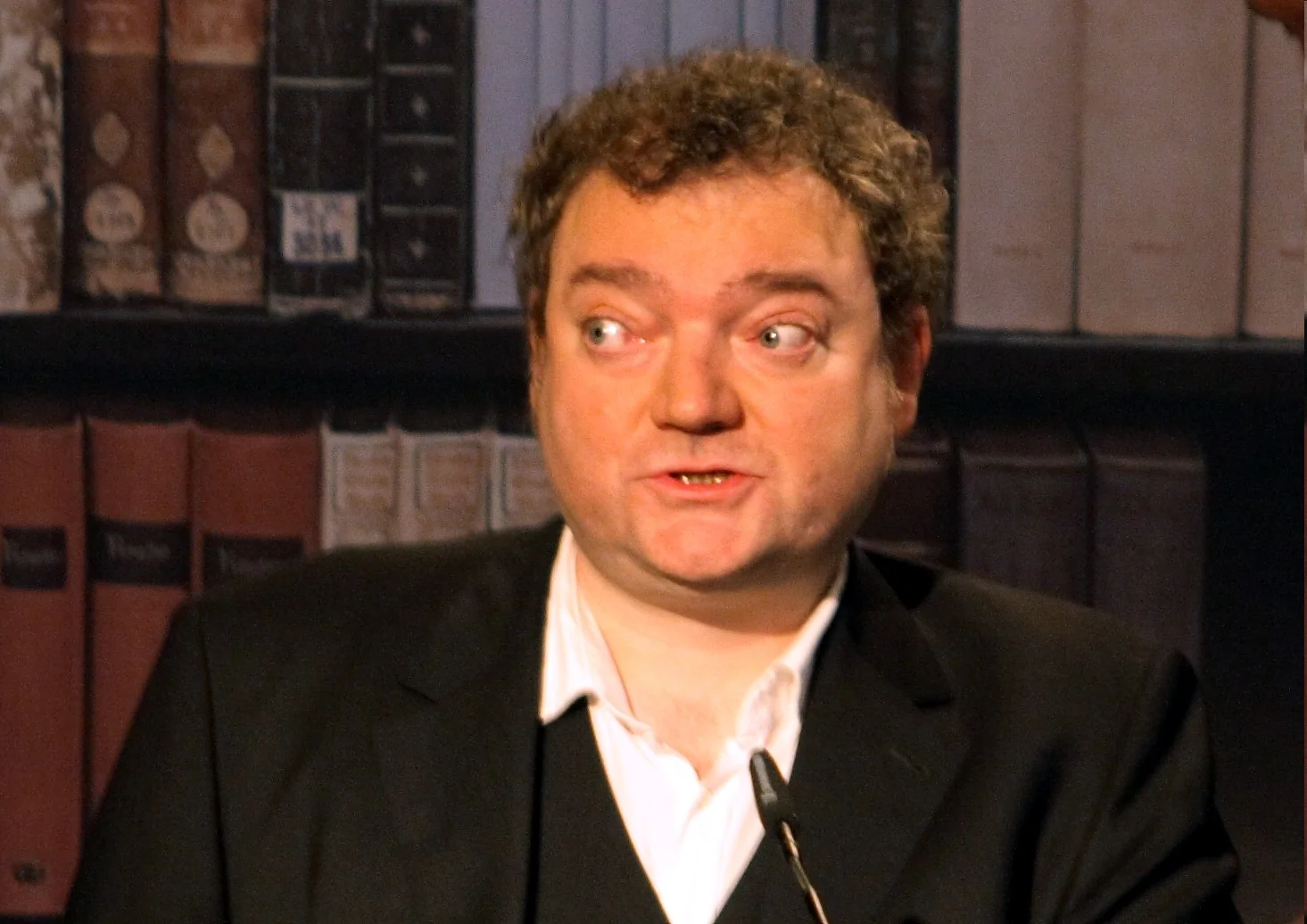
Image from Wikipedia
Image from Wikipedia
Wiglaf Droste: Satire, Language and Music as Stylish Provocation
An Artist Between Wit, Rage, and Musical Unconventionality
Wiglaf Droste was one of the most distinctive voices in German-speaking culture: an author, columnist, satirist, singer, and reader all in one. Born on June 27, 1961, in Herford and passing away on May 15, 2019, in Pottenstein, he left behind a body of work that oscillates between polemic, poetry, linguistic wit, and musical stage presence. Publishers and obituaries describe him as a writer, singer, and reader; the taz honored him as a brilliant polemicist and a singer in love with music. ([kunstmann.de](https://www.kunstmann.de/autor/wiglaf-droste-104/p-1/))
His name embodies a rare connection of literary sharpness and performative power. Droste was never just a text producer, but a public artist who understood language as material, weapon, and play at once. This is precisely where his lasting fascination lies: He combined the tradition of political satire with an independent music career that was sustained by chanson, songwriting, and literary live programs. ([taz.de](https://taz.de/Nachruf-auf-Wiglaf-Droste/%215596084))
Biography: East Westphalian Origins and Early Profiling
Wiglaf Droste grew up in Herford and developed an early keen sense for language, contradiction, and public friction. According to Wikipedia, he dropped out of a journalism and communications study in Berlin after a few weeks in 1983; instead, he worked in the 1980s for various newspapers, writing among others for the taz and the satirical magazine Titanic. This early phase shaped the tone that would later become his trademark: direct, biting, knowledgeable, and often driven by a baroque delight in exaggeration. ([en.wikipedia.org](https://en.wikipedia.org/wiki/Wiglaf_Droste?utm_source=openai))
He received his first regular column in 1992 in Neues Deutschland, later writing for junge Welt and Tagesspiegel. His journalistic work was never ancillary but formed the foundation of his artistic authority. Anyone wishing to understand Droste must read him as a literary chronicler of the Federal Republic, who unleashed the same linguistic energy through satire, feuilleton, and columns that appeared on stage as music and recitation. ([de.wikipedia.org](https://de.wikipedia.org/wiki/Wiglaf_Droste))
Career: From Columnist to Stage Artist
The decisive step from writing to music-driven performance took place through readings, lectures, and collaborations with musicians. The taz describes Droste as a gifted reader; at the same time, he represented a form of performance in which text, timing, and voice were equally important. This made him an artist whose stage presence could not be reduced to singing but represented the composition of an entire evening of rhythm, attitude, and linguistic precision. ([taz.de](https://taz.de/Nachruf-auf-Wiglaf-Droste/%215596084))
His connection with the Spardosen-Terzett was particularly formative. The trio had existed since 1989, and Droste joined in 1998; from then on, they created joint live and studio works that shaped the transition between song, chanson, and satirical miniatures. According to the taz, he was then on tour or in the studio with the Spardosen, and according to laut.de, he became committed as a singer after an a cappella number in black suits. This development showcases an artist who did not use musical form decoratively but as an extension of his literary voice. ([taz.de](https://taz.de/Wiglaf-Drostes-Spardosen-Terzett/%21664124/))
Discography: Between Spardosen-Terzett, Live Formats, and Literary Musical Interpretation
The discography of Wiglaf Droste is not a classic pop catalog but a literary-musical archive. The recorded releases include Für immer with the Spardosen-Terzett, Wolken ziehn, Das große IchundDu, Ich schulde einem Lokführer eine Geburt, Der Bär auf dem Försterball, Westfalian Alien, as well as Seit du da bist auf der Welt – Liebeslieder with the Spardosen-Terzett. These titles already illustrate how strongly, for Droste, linguistic wit, poetic embellishment, and musical form intertwine. ([de.wikipedia.org](https://de.wikipedia.org/wiki/Wiglaf_Droste))
The Spardosen-Terzett itself became known as a jazz-chanson trio from the Ruhr area and released several works with Droste as a singer, including Für immer, Wolken ziehn, and Konzert. The band worked, according to sources, with quirky German-language albums, precise arrangements, and a repertoire that fluctuated between covers, original compositions, and literary interpretations. In particular, Für immer was described by laut.de as “a beautiful piece of music with noteworthy lyrics”; the review praised the blend of old favorites, original compositions, and Droste's presence as a singer. ([de.wikipedia.org](https://de.wikipedia.org/wiki/Spardosen-Terzett))
Even the press classification points to his special status: the taz described him as a singer in love with music, while the announcements surrounding his publications indicate that he always worked on the borderland of literature, cabaret, and chanson. His music was never just an accompaniment to texts but part of an overall work where arrangement, delivery, and linguistic friction held equal significance. This is precisely where the cultural strength of his discography lies. ([taz.de](https://taz.de/Nachruf-auf-Wiglaf-Droste/%215596084))
Style and Artistic Development: Satire with a Musical Pulse
Droste's style is characterized by a rare blend of coarse tone and fine style, as highlighted by the publisher Antje Kunstmann in the appreciation of his work. His texts thrive on pointed observation, aggressive precision, and a delight in linguistic exposure, which is further intensified in performance. As a singer, he did not represent smooth intonation but character, text clarity, and a kind of musical diction that brings the content to the forefront. ([kunstmann.de](https://www.kunstmann.de/autor/wiglaf-droste-104/p-1/))
His artistic development leads from newspaper satire through stage readings to a form of the chansonnier who composes with language. Particularly in collaboration with the Spardosen-Terzett, a profile emerged that does not completely fit into either cabaret or the traditional singer-songwriter genre. The arrangements, described by critics as refreshing and organic, gave his texts space and transformed the voice into an instrument with attitude. ([laut.de](https://laut.de/Wiglaf-Droste-das-Spardosen-Terzett/Alben/Fuer-Immer-2806))
Cultural Influence: A Voice Against Flattening and Linguistic Fatigue
Wiglaf Droste left marks far beyond the literary scene. His influence is evident in the combination of journalistic presence, cultural polemic, and musical performance art. The taz referred to him as a left-wing major author and reminded us that he embodied a generation of public intellectuals who hardly exist today. His texts, columns, and stage programs represented a tone that did not shy away from controversy and thereby generated cultural vitality. ([taz.de](https://taz.de/Nachruf-auf-Wiglaf-Droste/%215596084))
His awards also attest to the authority of his work: Ben-Witter-Prize 2003, Annette-von-Droste-Hülshoff-Prize 2005, and his role as city writer in Rheinsberg 2009. These honors mark not only literary recognition but also the relevance of an artist who established satire as a serious cultural form. Anyone who listens to his texts and recordings today encounters an author who did not manage the German language but revitalized and sharpened it. ([kunstmann.de](https://www.kunstmann.de/autor/wiglaf-droste-104/p-1/))
Conclusion: Why Wiglaf Droste Remains Fascinating Today
Wiglaf Droste remains fascinating because he was obstinate, funny, musical, and intelligent all at once. His music career with the Spardosen-Terzett, his stage presence as a reader and singer, as well as his literary impact result in a body of work that cannot be easily categorized. It is precisely for this reason that it is worthwhile to discover him not only as a satirist but as a multifaceted sound and language artist. ([taz.de](https://taz.de/Nachruf-auf-Wiglaf-Droste/%215596084))
Those who listen to or read his recordings, readings, and texts today experience a rare blend of aggressive joy and intelligence, musical sensitivity and cultural obstinacy. Wiglaf Droste was a voice with barbs, an artist with integrity, and an observer who dissected contemporary Germany with a precise gaze. Experiencing him live was an event; his performances continue to be a powerful plea for the strength of language and music even posthumously. ([taz.de](https://taz.de/Nachruf-auf-Wiglaf-Droste/%215596084))
Official Channels of Wiglaf Droste:
- Instagram: No official profile found
- Facebook: No official profile found
- YouTube: No official profile found
- Spotify: No official profile found
- TikTok: No official profile found
Sources:
- Wikipedia - Wiglaf Droste
- Publisher Antje Kunstmann - Wiglaf Droste
- taz - Obituary of Wiglaf Droste: Radical Poet, Left-Wing Major Author
- taz - Wiglaf Droste's Spardosen-Terzett
- laut.de - Wiglaf Droste & the Spardosen-Terzett: Für Immer
- Wikipedia - Spardosen-Terzett
- Publisher Antje Kunstmann - Droste & the Spardosen, The Concert CD
- Wikipedia - Wiglaf Droste (English)