
Wolfgang Krebs (Kabarettist)
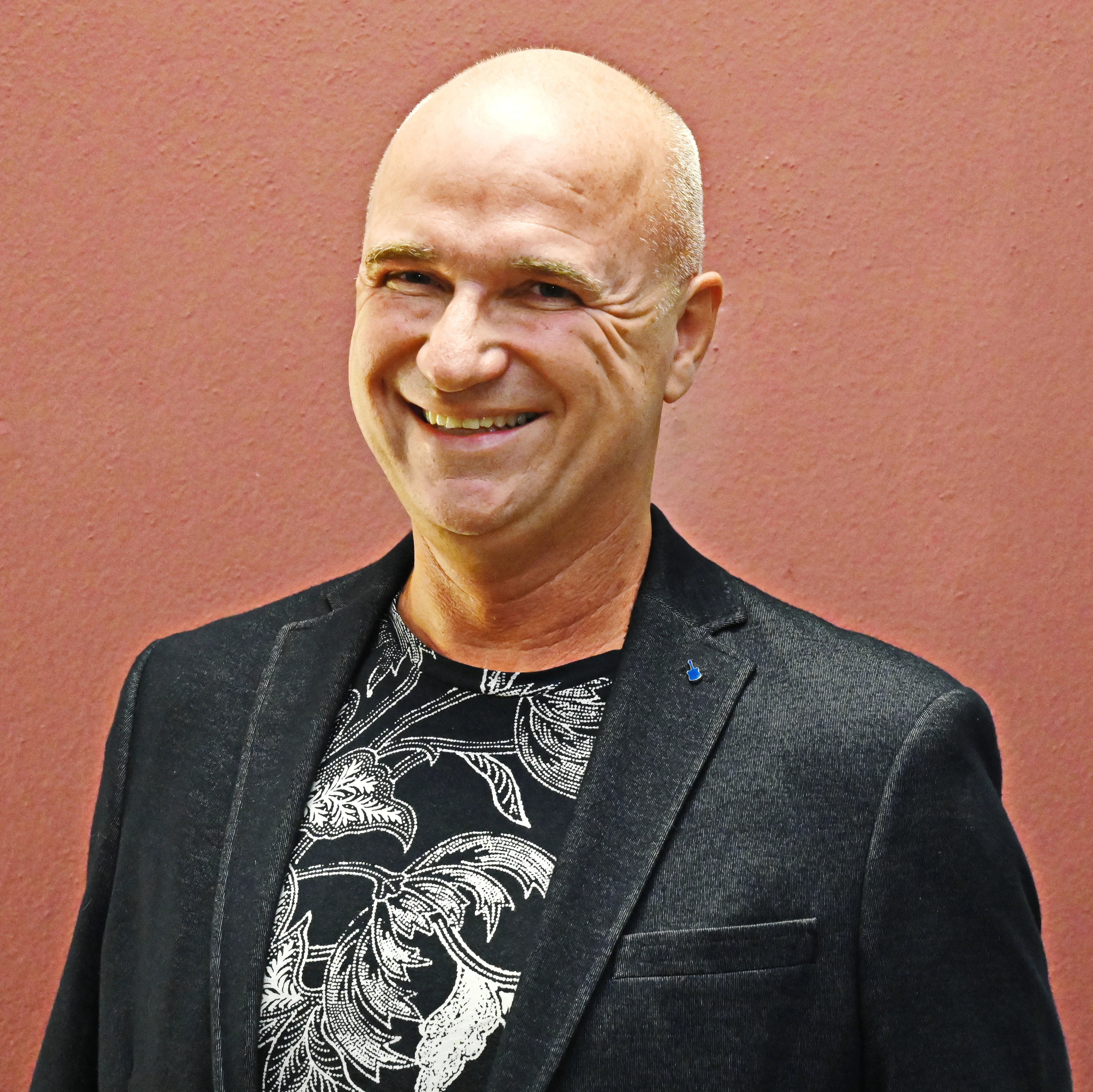
Image from Wikipedia
Image from Wikipedia
Wolfgang Krebs – the Master of Transformation in Bavarian Cabaret
A precise observer of politics, a virtuoso of imitation, a stage artist with strong presence
Wolfgang Krebs, born on August 31, 1966, in Seefeld in the Starnberg district, is one of the most distinctive voices in German cabaret. As a cabaret artist and writer, he has developed a unique artistic signature over the decades, skillfully oscillating between parody, political satire, and Bavarian everyday observations. His career combines media experience, stage routine, and a pronounced joy in character work. ([de.wikipedia.org](https://de.wikipedia.org/wiki/Wolfgang_Krebs_%28Kabarettist%29))
What makes Krebs so exciting is the combination of precise character work, quick wit, and a clear regional connection. He was on stage from a young age, and later added radio, television, and solo performances to his repertoire. Today, he is regarded as a cabaret artist who not only imitates political figures but transforms them into pointed stage characters. ([de.wikipedia.org](https://de.wikipedia.org/wiki/Wolfgang_Krebs_%28Kabarettist%29))
Biography: Early stage practice and an unusual career path
Wolfgang Krebs' artistic journey did not begin with a classical theater education but rather through early stage practice and practical media work. According to Wikipedia, he first took to the stage at the age of five, followed by student theater and local amateur theater. After completing his secondary education, he trained as a postal worker, later attended vocational school and transitioned into the media industry. ([de.wikipedia.org](https://de.wikipedia.org/wiki/Wolfgang_Krebs_%28Kabarettist%29))
This biographical blend of groundedness and professional versatility continues to shape his artistic impact today. Krebs worked as a studio manager at Radio Ostallgäu in Kaufbeuren and was involved in TV advertising sales at ProSieben, Sat.1, and RTL II from 1996 to 2007. His experience in radio, moderation, and media operation early on influenced his later stage work. ([de.wikipedia.org](https://de.wikipedia.org/wiki/Wolfgang_Krebs_%28Kabarettist%29))
The breakthrough in cabaret: Edmund Stoiber as the catalyst
The actual breakthrough in cabaret came with the character of Bavarian Prime Minister Edmund Stoiber. In 1993, Krebs first performed as Stoiber at the Marktfestspiele in Kaltental-Blonhofen. A pivotal moment followed in 2004 when a planned appearance by Stoiber at the Swabian Carnival Schwaben weissblau fell through, and Krebs stepped in as a Stoiber impersonator at the initiative of Georg Ried. ([de.wikipedia.org](https://de.wikipedia.org/wiki/Wolfgang_Krebs_%28Kabarettist%29))
From that moment on, the character became not only a punchline but a recurring artistic hallmark. Starting in January 2004, Krebs regularly appeared as Stoiber in the closing number of the BR show "quer," later parodying Günther Beckstein, Horst Seehofer, Markus Söder, Hubert Aiwanger, and Robert Habeck. This ability to develop political roles over the years showcases his professional stage art and keen observation of public discourse. ([de.wikipedia.org](https://de.wikipedia.org/wiki/Wolfgang_Krebs_%28Kabarettist%29))
Musicality of language: Voice, timing, and character switches
Even though Wolfgang Krebs is not a musician in the strict sense, his work possesses a distinctly rhythmic quality. His characters thrive on tempo, pauses, emphasis, and precise timing reminiscent of musical composition. The transitions between voices and attitudes create a sort of linguistic arrangement on stage, where every punchline hits and each character gains its own sound. ([de.wikipedia.org](https://de.wikipedia.org/wiki/Wolfgang_Krebs_%28Kabarettist%29))
Especially on solo tours, this art of compression becomes evident. Krebs performs alone on stage and slips into many roles, transforming a cabaret evening into a kaleidoscopic portrait of the Bavarian political and media world. The official website describes his current program "Bayern liebt DICH!" as a cabaret solo revolving around the media circus, where he performs entirely solo in various roles. ([wolfgangkrebs.com](https://wolfgangkrebs.com/))
Current program: "Bayern liebt DICH!" as contemporary satire
With "Bayern liebt DICH!" Krebs presents a current stage program that satirically sharpens the dynamics of media, power, and self-presentation. The official website announces the program as a new cabaret offering that addresses Facebook, Instagram, and TikTok, as well as the political communication culture in Bavaria. This relevance to the present gives the evening a clear significance and keeps the satire rooted in the here and now. ([wolfgangkrebs.com](https://wolfgangkrebs.com/))
Numerous performances are already listed for 2026, including dates in Feuchtwangen, Eggenthal, Pocking, Roding, Munich, Fürth, Stuttgart, and Alzenau. The tour dates demonstrate an intense live presence and highlight how deeply Krebs is rooted in Southern Germany. He remains an artist of direct contact, consistently unfolding his programs on stage. ([wolfgangkrebs.com](https://wolfgangkrebs.com/))
Discography and publications: documented stage programs
Wolfgang Krebs' discography is closely linked to his stage programs. Wikipedia lists the releases "Ja, mia kennan!" (2010), "Drei Mann in einem Dings" (2013), and "Können Sie Bayern" (2014). Additionally, the official website and Apple Music mention "Die Watschenbaum Gala" as a spoken-word release from 2017. ([de.wikipedia.org](https://de.wikipedia.org/wiki/Wolfgang_Krebs_%28Kabarettist%29))
These publications illustrate how Krebs preserves his stage work and continues it as recordings. Unlike classical pop discographies, the focus here is not on singles or charts, but on the spoken word, character, and performed program. For cabaret fans, this forms the documentary strength of his work. ([de.wikipedia.org](https://de.wikipedia.org/wiki/Wolfgang_Krebs_%28Kabarettist%29))
Critical reception, awards, and cultural influence
Krebs has received multiple awards for his work and has been recognized institutionally. Wikipedia mentions the Art and Culture Prize of the City of Kaufbeuren, his inclusion in the Karl-Valentin Society, the "Orden wider die Neidhammel" of the Nuremberg Air Fleet, and the "Unterföhringer Mohr" as a public award. Additionally, "Habe die Ehre" was nominated for the Grimme Prize in 2015. ([de.wikipedia.org](https://de.wikipedia.org/wiki/Wolfgang_Krebs_%28Kabarettist%29))
His cultural influence is particularly evident in how he has established Bavarian political figures as enduring public personas. The Bonifatiuswerk describes him as known for his parodies of Edmund Stoiber and Markus Söder, while other sources document his appearances in media formats such as "quer," "Lachmatt," and "Die Superbayern." This positions Krebs among the rare breed of cabaret artists whose characters remain part of public perception for years. ([bonifatiuswerk.de](https://www.bonifatiuswerk.de/de/presse/pressematerial/interview-wolfgang-krebs/?utm_source=openai))
Media presence and artistic development through radio and television
Even before his full-time career as a cabaret artist, Krebs worked intensively in radio and television. From 2006 to July 2015, he was heard daily on Bayern 3 as an impersonator, and from 2007 onward, he focused full-time on cabaret. Later, he became a core member of "Asül für Alle" and appeared multiple times on "Grünwald Freitagscomedy." ([de.wikipedia.org](https://de.wikipedia.org/wiki/Wolfgang_Krebs_%28Kabarettist%29))
This continuous media presence is a crucial part of his artistic authority. It demonstrates that Krebs not only excels at live cabaret but also understands the timing and compression needed for radio and television audiences. His career exemplifies an artist who has translated regional satire into a broad, recognizable media format. ([de.wikipedia.org](https://de.wikipedia.org/wiki/Wolfgang_Krebs_%28Kabarettist%29))
Writer, author, and observer of the Bavarian soul
In addition to his stage work, Wolfgang Krebs has also made a mark as an author. Wikipedia lists several books, including "Sternreisen" as well as later works like "Nur Bayern im Kopf!," "Die Leberkäs-AG," "Bayern-ABC," and "Das Guglhupf Wunder." These titles already reflect how strongly his work is shaped by wit, regionality, and a lovingly ironic perspective on Bavarian identity. ([de.wikipedia.org](https://de.wikipedia.org/wiki/Wolfgang_Krebs_%28Kabarettist%29))
His profile as a writer meaningfully complements his stage character. Krebs works with condensing, typification, and punchlines that may work differently in book form but are no less poignant. This extension beyond live cabaret enhances his authority as a culture-commenting narrator. ([de.wikipedia.org](https://de.wikipedia.org/wiki/Wolfgang_Krebs_%28Kabarettist%29))
Conclusion: A cabaret artist with a distinctive signature
Wolfgang Krebs combines linguistic precision, political observation, and a tremendous stage presence into an unmistakable whole. His career ranges from his childhood performances to radio, television, and solo programs, culminating in a current stage project that satirically examines the present. For those wanting to experience the interplay of character comedy, media critique, and Bavarian self-irony, he stands out as one of the most prominent cabaret artists in the country. ([de.wikipedia.org](https://de.wikipedia.org/wiki/Wolfgang_Krebs_%28Kabarettist%29))
His art unfolds its greatest impact live: the voices, the twists, the eye for detail, and the sure sense for the next hit. Wolfgang Krebs remains compelling because he not only imitates political figures but reinterprets them as vibrant stage art. Experiencing him on stage means cabaret in its purest form. ([de.wikipedia.org](https://de.wikipedia.org/wiki/Wolfgang_Krebs_%28Kabarettist%29))
Official channels of Wolfgang Krebs:
- Instagram: https://www.instagram.com/wolfgang_krebs/?hl=de
- Facebook: https://www.facebook.com/wolfgangkrebs66
- YouTube: https://www.youtube.com/channel/UCP3Pf72JPbh_-I-z3AWx0RQ
- Spotify: no official profile found
- TikTok: https://www.tiktok.com/%40wolfgang.krebs
Sources:
- Wikipedia – Wolfgang Krebs (Kabarettist)
- Wolfgang Krebs – Bayern liebt DICH! – official website
- Wolfgang Krebs – Current Program "Bayern liebt DICH!"
- Wolfgang Krebs – Contact / Press / südpolmusic GmbH
- Apple Music – Die Watschenbaum Gala
- Bonifatiuswerk – Interview with Wolfgang Krebs
- Bayerischer Rundfunk – Programs featuring Wolfgang Krebs
- Spinnert – Feature on Wolfgang Krebs
- Wikipedia: Image and text source